
Wine culture is steeped in tradition, romance, and unfortunately, a fair share of misconceptions that have persisted for generations. These myths not only intimidate newcomers but can also lead seasoned wine lovers astray. It’s time to separate fact from fiction and explore the truth behind some of the most pervasive wine myths that continue to influence how we buy, store, and enjoy our favorite bottles.
Myth 1: Expensive Wine Always Tastes Better
Perhaps no wine myth is more damaging to the average consumer’s wallet than the belief that price directly correlates with quality and taste. This misconception has led countless wine drinkers to bypass perfectly delicious bottles in favor of overpriced alternatives that promise prestige but deliver disappointment.
The reality is far more nuanced. While price can sometimes indicate quality factors like careful vineyard management, premium grape selection, or extended aging, it’s not a reliable predictor of personal enjoyment. A $15 bottle from a lesser-known region might perfectly suit your palate, while a $150 cult wine could leave you wondering what the fuss is about.
Professional sommeliers regularly conduct blind tastings where expensive wines are outperformed by their budget-friendly counterparts. Marketing, brand reputation, limited production, and perceived exclusivity all contribute to pricing in ways that have nothing to do with what’s actually in the bottle. The most expensive wine is simply the one that tastes best to you, regardless of its price tag.
Myth 2: Red Wine Must Be Served at Room Temperature
This widely accepted “rule” originated in medieval European castles, where room temperature hovered around 60-65°F – significantly cooler than today’s heated homes. Modern room temperature often reaches 70-75°F or higher, which is far too warm for optimal red wine enjoyment.
When red wine is served too warm, the alcohol becomes more prominent, masking the subtle flavors and aromas that make each bottle unique. The tannins can become harsh and overwhelming, while the fruit characteristics get lost in the heat. Most red wines actually benefit from a slight chill, with lighter reds like Pinot Noir and Beaujolais tasting best around 55-60°F, while fuller-bodied wines like Cabernet Sauvignon and Syrah shine at 60-65°F.
Don’t hesitate to pop that red wine in the refrigerator for 15-20 minutes before serving, or store it in a cool cellar or wine fridge. Your taste buds will thank you for the more balanced, nuanced experience that proper temperature provides.
Myth 3: Wine Gets Better With Age
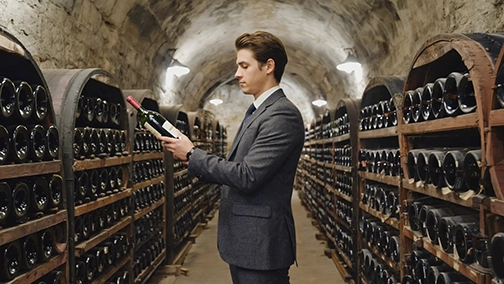
The romantic notion that wine universally improves with time has led to countless disappointments and wasted bottles. In reality, the vast majority of wines – estimates suggest over 90% – are designed to be consumed within a few years of release and will not improve with extended aging.
Most wines reach their peak flavor profile within 1-5 years of bottling, after which they begin a gradual decline. Only certain wines with specific characteristics – high acidity, significant tannins, residual sugar, or alcohol content – possess the structure necessary for successful long-term aging. These wines are typically expensive and represent a small fraction of global production.
The wines that do age well require precise storage conditions: consistent temperature around 55°F, high humidity, darkness, and minimal vibration. Without these conditions, even age-worthy wines will deteriorate rather than improve. For the average wine drinker, the best approach is to buy wine you enjoy now and drink it within a reasonable timeframe.
Myth 4: Screw Caps Mean Cheap, Low-Quality Wine
The association between screw caps and inferior wine quality is one of the most stubborn and misguided myths in the wine world. This prejudice stems from early adoption of screw caps by mass-market, low-quality producers, creating a lasting stigma that persists despite overwhelming evidence to the contrary.
Screw caps actually offer several advantages over traditional corks. They eliminate the risk of cork taint, a musty, moldy flavor that affects an estimated 3-5% of cork-sealed bottles. They also provide a more consistent seal, preventing oxidation and ensuring the wine tastes exactly as the winemaker intended. Many premium wineries, particularly in Australia and New Zealand, have embraced screw caps for their technical superiority.
The closure method has absolutely no impact on the wine’s production quality, grape selection, or winemaking techniques. Some of the world’s most respected wineries now use screw caps for wines costing $50 or more per bottle. Judge wine by what’s inside, not by how it’s sealed – your palate won’t be able to detect the difference between a well-made wine with a screw cap versus one with a cork.
Myth 5: White Wine Should Always Be Served Ice-Cold
While white wine generally benefits from chilling, serving it ice-cold can be just as detrimental as serving red wine too warm. Over-chilling white wine mutes its aromatic compounds and masks the subtle flavors that distinguish one variety from another.
Different white wines have optimal serving temperatures that enhance their unique characteristics. Light, crisp wines like Sauvignon Blanc and Pinot Grigio taste best at 45-50°F, cold enough to be refreshing but warm enough to express their citrus and mineral notes. Richer whites like Chardonnay and white Burgundy shine at 50-55°F, where their complexity and texture can be fully appreciated.
Sparkling wines are the exception, benefiting from the coldest serving temperature of 40-45°F to maintain their effervescence and provide that celebratory chill. If you’ve been storing your white wine in the main refrigerator compartment, try removing it 10-15 minutes before serving to allow it to warm slightly and reveal its full flavor potential.
Myth 6: Wine Gives You Worse Hangovers Than Other Alcohol
The belief that wine produces more severe hangovers than beer or spirits is widespread but scientifically unfounded. Hangovers are primarily caused by alcohol consumption, dehydration, and individual factors like body weight, food intake, and hydration levels – not the type of alcoholic beverage consumed.
This myth likely persists because wine is often consumed in social settings where people drink more than usual, eat less food, or mix different types of alcohol throughout the evening. Additionally, some individuals may be sensitive to certain compounds in wine, such as histamines or sulfites, which can cause headaches or other symptoms that mimic hangover effects.
The congeners – compounds produced during fermentation – vary between different alcoholic beverages and may contribute to hangover severity in some people. However, the primary factor remains the total amount of alcohol consumed. A glass of wine contains roughly the same amount of alcohol as a beer or shot of spirits, so the hangover potential is essentially equivalent.
Conclusion
These persistent wine myths have shaped consumer behavior and drinking habits for generations, often preventing people from fully enjoying wine or making informed purchasing decisions. By understanding the facts behind these misconceptions, wine lovers can approach their next bottle with confidence, freed from arbitrary rules and outdated beliefs.
The world of wine is complex enough without the burden of false information. Whether you prefer a $12 bottle with a screw cap or a $120 bottle with a cork, whether you like your red wine slightly chilled or your white wine not quite ice-cold, the most important rule is to drink what you enjoy. Trust your palate, question conventional wisdom, and remember that the best wine is the one that brings you pleasure – regardless of what anyone else says it should be.