We all need some good news these days and here it is, though it is also bittersweet. We have been working for more than two years to find the ending to this story.
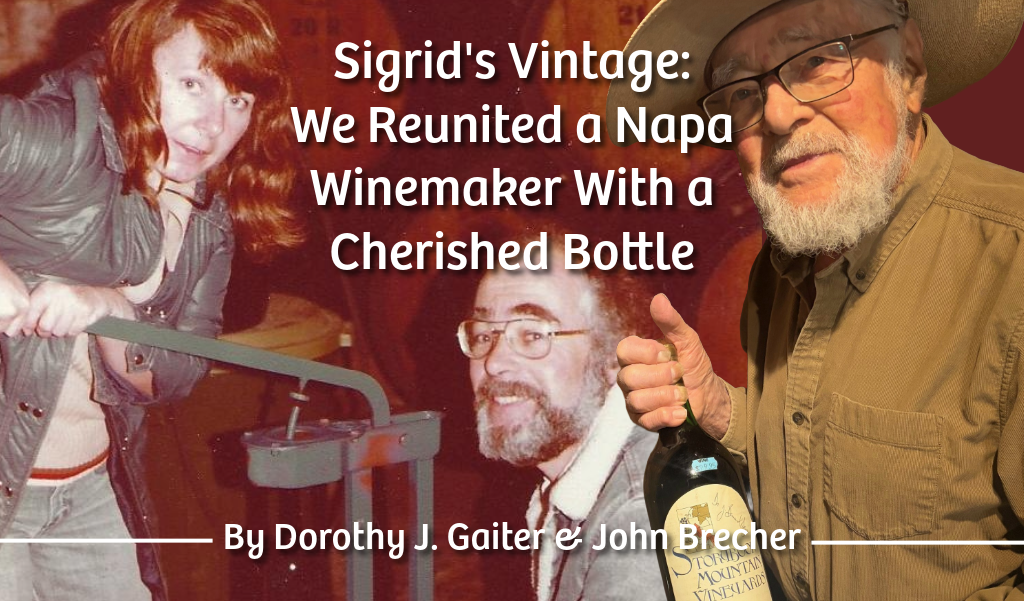
In 1976, a former professor of European history named Jerry Seps and his wife, Sigrid, visited Napa Valley and fell in love with a spot north of Calistoga, on a stunning high-elevation eastern slope of the Mayacamas Mountain Range. They established a winery they called Storybook Mountain Vineyards, specializing in Zinfandel. The first vintage they released was 1981. They made only 250 cases and it mostly went to top Northern California restaurants, including Ernie’s, Domaine Chandon and the French Laundry. Seps called the wine “elegant.”
Since it was their first, it was always Sigrid’s favorite.
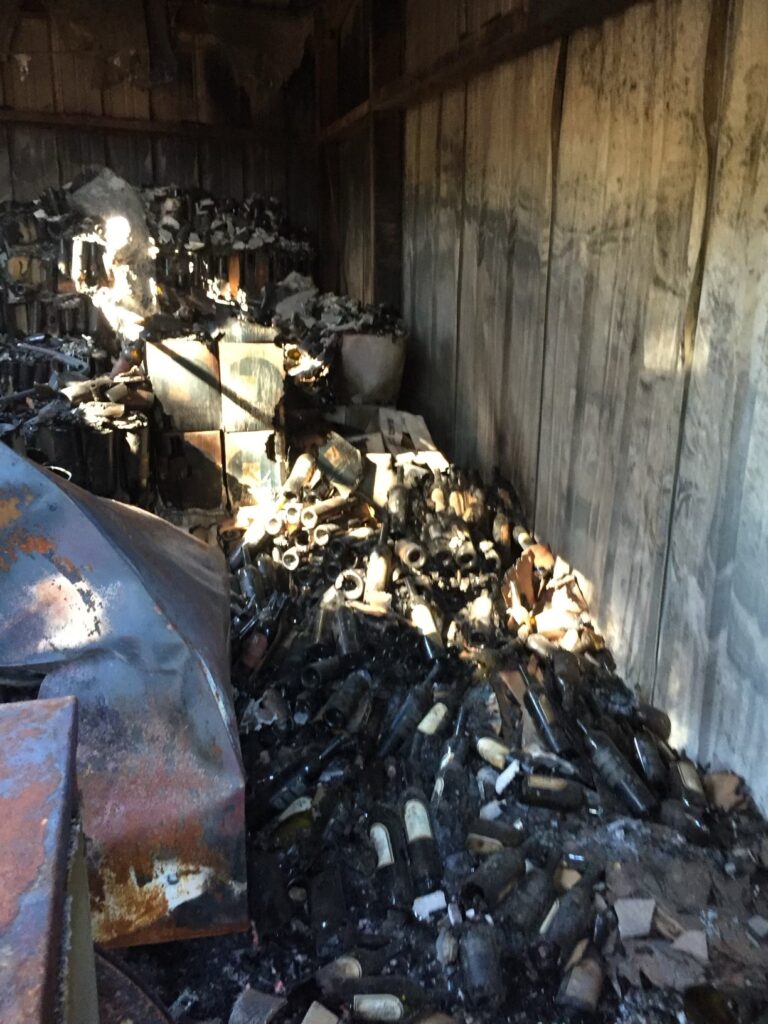
In 2017, the deadly Tubbs Fire roared across Napa, Sonoma and Lake counties and barely spared the Storybook winery. But it destroyed the winery’s entire inventory of older wines. Soon afterward, Joshua Greene, then publisher and editor of Wine & Spirits and a longtime fan of the winery, wrote about Storybook’s ordeal in a heart-stirring article describing some of those lost older wines as legendary “for the stamina and grace they showed with age.” Within days of Greene’s piece, an amazing thing happened: Storybook fans from all over sent and sometimes delivered older bottles to Storybook, replacing every vintage — except the 1981.
This is where, serendipitously, we came in.
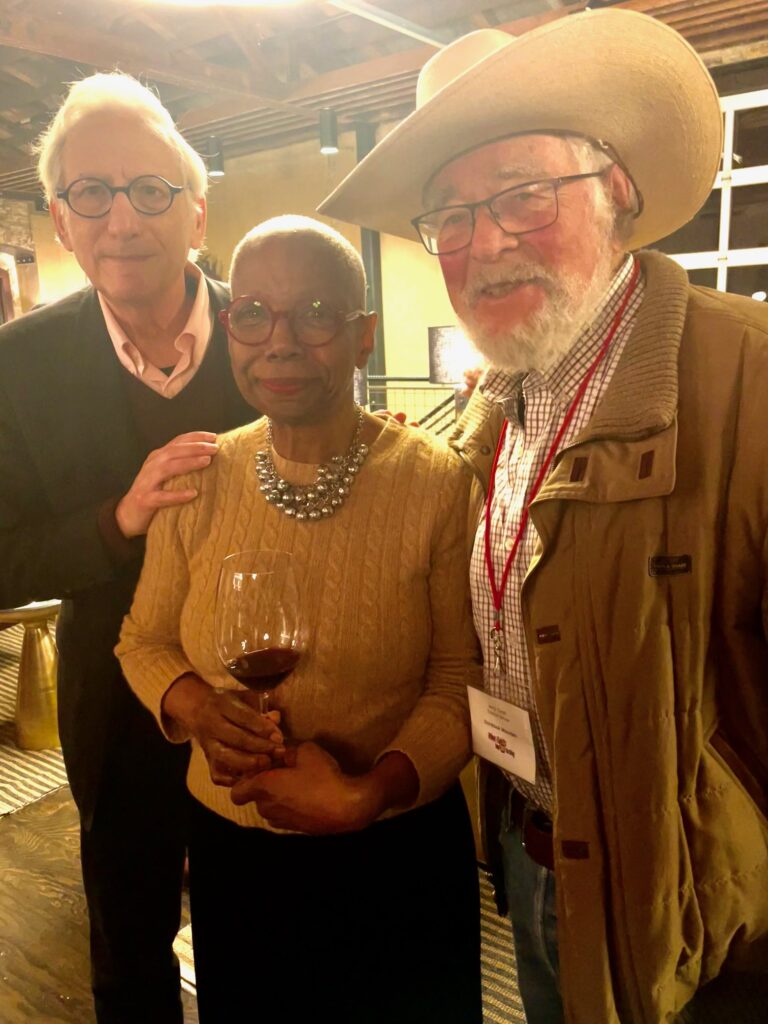
During the Wine Writers Symposium in Napa in 2024, we met Seps at one of the organization’s winemaker dinners. We had enjoyed Storybook’s much-heralded wines for decades, but had never met him. Then 87 years old, he was wearing a big cowboy hat and a welcoming smile. When he told us about the winery’s loss, the generous reaction to Greene’s article and the significance of the ’81 — we recognize love when we see it, having been together 53 years — we felt we had to help. So we interviewed him after we returned home and in the resulting column, we asked Seps about the possibility that the 1981 was still out there. He replied, “It might be. It wasn’t a huge vintage … so it might have all been consumed.”
We ended that article this way: “If you find this unicorn somewhere in your cellar, Jerry Seps would love to hear from you.”
Our search thus ignited, for two years we contacted winemakers, wine stores, sommeliers, wine writers, wine representatives, distributors, and restaurants world-famous for their deep cellars of older vintages. Bern’s Steak House in Tampa, which boasts that its wine collection contains more than half a million bottles and 6,500 labels from around the world, didn’t have it. Neither did Graycliff in Nassau, the Bahamas, which has about 280,000 bottles from almost 5,600 labels.
We kept asking.
When we were in Napa again months later in 2024 for the funeral of the legendary winemaker, philanthropist and conservationist Warren Winiarski, we visited Storybook. Seps poured some of his treasures in a cave that the original owners, Adam and Jacob Grimm – yes, the Brothers Grimm, but different ones — had Chinese workers build more than 130 years ago. Then he showed us around his family’s lovely slice of certified organic heaven, pointing out which varietals were where. We met Colleen, his daughter and co-winemaker, who lives on the property with her husband, its sales and marketing director, and their daughter, who helps with production. Seps pointed to his home and told us that Sigrid was there and, sighing, said she was not in good health.
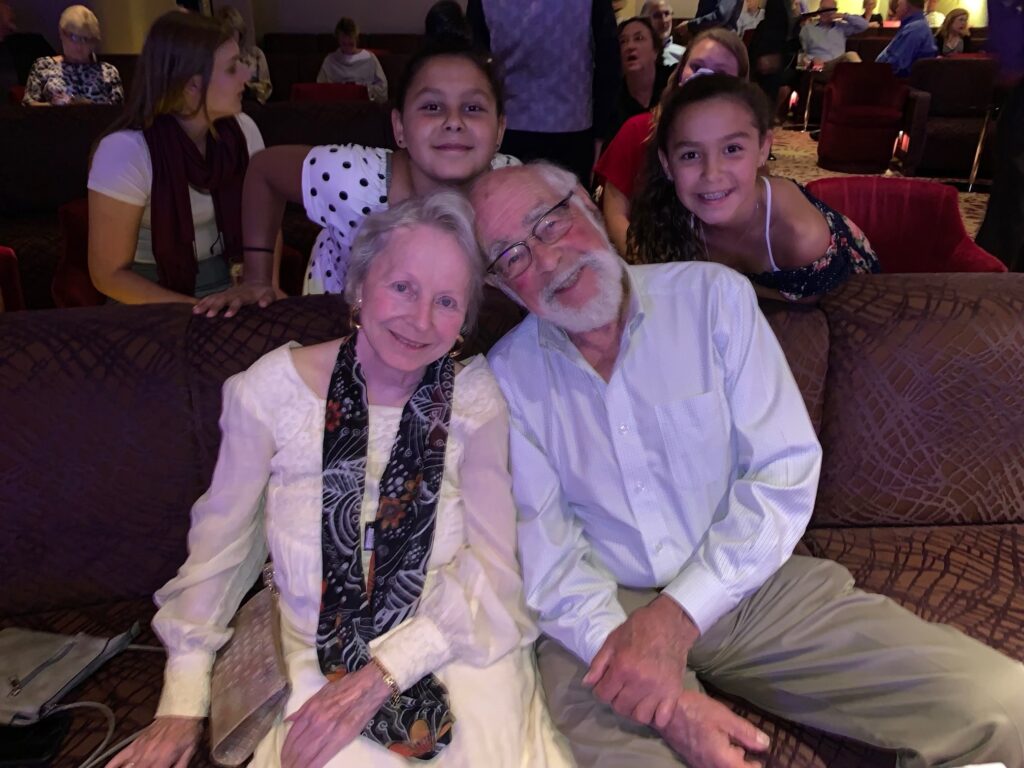
For our first column, when we had asked how they met, he had told us with a wink that she had pursued him. “When I was a professor down in southern California, professors don’t make a lot of money so I also worked at a real estate agency and she worked there as well. I accuse her of moving her desk next to mine,” he said. After they married and started a family, they fell in love with the hilly property rich in volcanic and loam soil on the Mayacamas Mountain Range. Iconic figures in American wine like Joe and Alice Heitz and André Tchelistcheff confirmed their notion that they should plant Zinfandel. For years they made only Zinfandel and Seps, with Sigrid’s urging, helped found ZAP, the advocacy organization Zinfandel Advocates & Producers, becoming its first president. Then, after buying more land — they now have around 120 acres, about 40 planted to grapes — they added Bordeaux varietals. The winery produces between 4,000 and 5,000 cases annually.
Back home after that visit we continued to search for the ‘81, with renewed urgency.
Then, a few weeks ago, John got an alert that a magnum of the 1981 was being sold at an auction place called WineBid. The auction described the wine this way: “1981 Storybook Mountain Estate Reserve Zinfandel, 1.5ltr light capsule condition issue; lightly depressed cork; signs of past seepage; base neck fill or better; light label condition issue; writing on label.”
In that context, “writing on label” seemed like a negative. The site included a picture of the label, so we could see the writing close-up. We couldn’t believe it: It’s Jerry Seps’s own signature. It is a signed magnum.
We’ve never bought anything at auction, so we dove in with what turned out to be a bold bid. Then we waited nervously as the end of the auction approached, counting the seconds down until it was over and we had won the wine (with only one lower bid, the site auto-adjusted our higher bid down to $82). We then called Seps, full of glee and relief that with all of the horrible things happening in the world, we had completed a mission that had touched our hearts.
“Oh, wonderful. Wonderful. Oh golly. I’ll tell my wife right away,” Seps said. “Oh my gosh. What a treasure. So nice of you. That’s wonderful. Thank you.”
We assumed that the wine had been purchased in a store because it had a price tag on it $29.95, but he said he didn’t think so. “I probably only would’ve signed something that was sold here at the winery. And I don’t think we offered magnums anywhere except at the winery. So it probably came from the winery itself,” he said.
We declined his sweet offer to reimburse us. In fact, he has paid us forward for decades as we enjoyed his wines. We had our first Storybook, the 1983, when we were living in Miami in 1987.
We had planned to have the wine delivered to him, since it was in a warehouse in American Canyon, south of the city of Napa, about 40 miles from Storybook. But Seps, who had just turned 89 that weekend and was still driving his tractor, said, “Well, I don’t know. I’m assuming it’s in pretty good shape, but I’d like to keep it that way. Let me just pick it up at the warehouse. Just tell them that I will pick it up.
“I just appreciate it so much. And my wife will, too.” He told us she had become quite ill.
The very next day, Seps called and left a message: “I just picked up that wonderful magnum of ‘81 that you guys got from the auction. I so appreciate that.” And then he sent us this note:
“Having the ‘81 again in our collection is much more than having one bottle from each year we have made wine. Aside from remembering its immediate success (released on my birthday in 1983 with more first-place finishes and gold medals than any other Zin that year), it leads to the recall of all the hard work from our purchase of the property in 1976 to finally a wine to release.
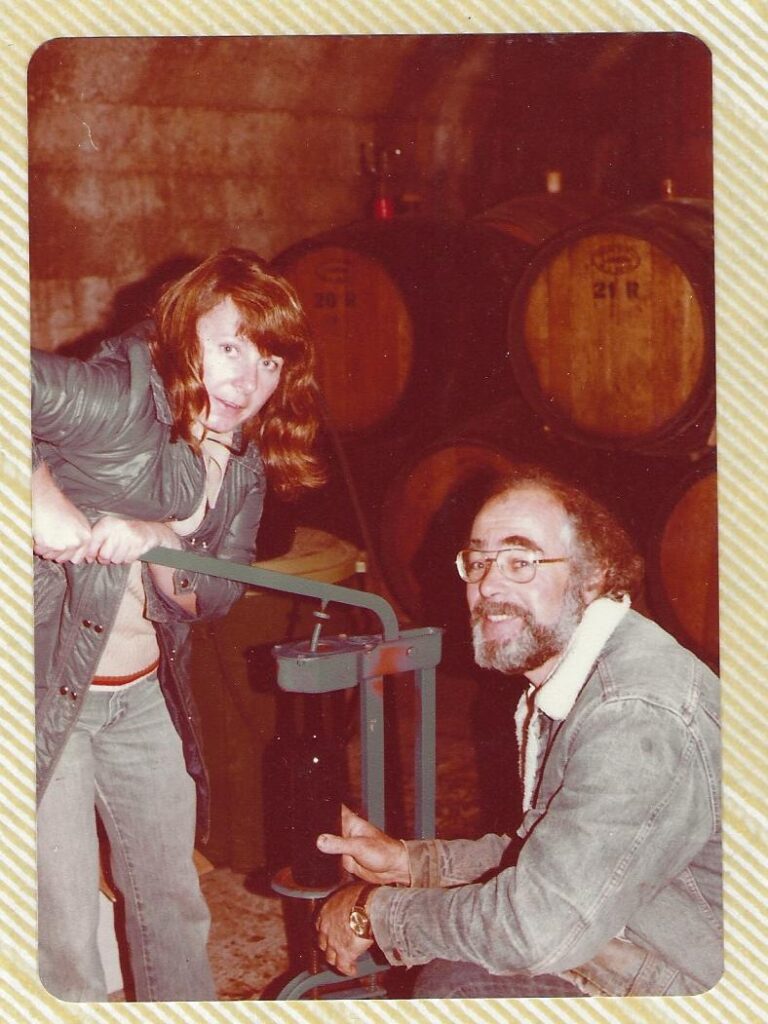
“More importantly, it’s a humbling recall that without Sigrid, the dream would not have become reality. It brings back the days of working side-by-side — to dig ditches for the irrigation, putting up a barbed wire fence to keep out the deer (at least the ones we had not inadvertently left inside), reconditioning the caves, planning our label, helping build our house….
“Everywhere I look, the 1981 reminds me that it was the two of us who made Storybook what it is, that our 51 years together have been lives overcoming difficulties, a successful and wonderful life adventure so few have been privileged to enjoy.”
Dorothy J. Gaiter and John Brecher conceived and wrote The Wall Street Journal’s wine column, “Tastings,” from 1998 to 2010. Dorothy and John have been tasting and studying wine since 1973. In 2020, the University of California at Davis added their papers to the Warren Winiarski Wine Writers Collection in its library, which also includes the work of Hugh Johnson and Jancis Robinson. Dottie has had a distinguished career in journalism as a reporter, editor, columnist and editorial writer at The Miami Herald, The New York Times, and at The Journal. John was Page One Editor of The Journal, City Editor of The Miami Herald and a senior editor at Bloomberg News. They are well-known from their books and many television appearances, especially on Martha Stewart’s show, and as the creators of the annual, international “Open That Bottle Night” celebration of wine and friendship. The first bottle they shared was André Cold Duck. They have two daughters.