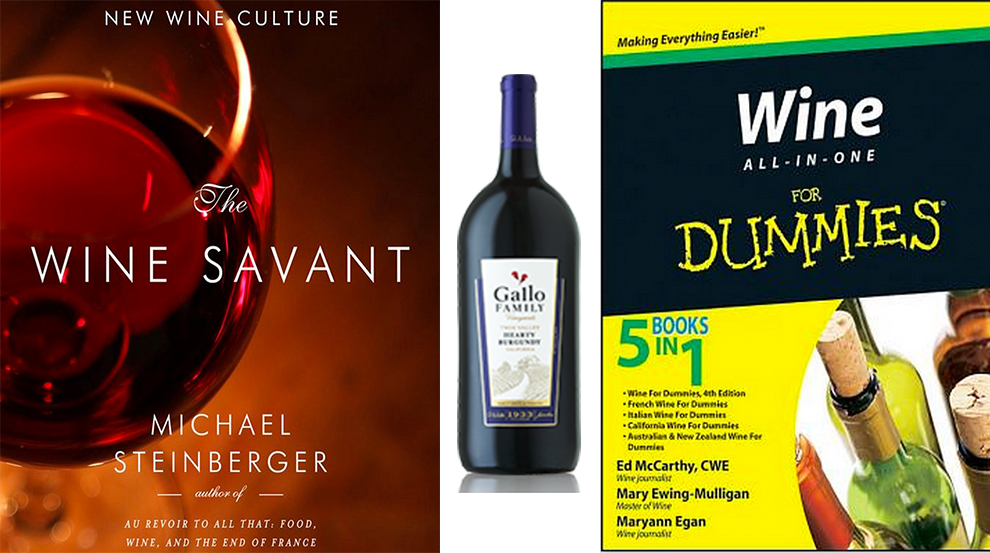
“The wine world is a big, fabulously diverse place, and arguably the greatest pleasure that oenophilia offers is the pleasure of discovery—of finding new grapes, regions, and wines.”
These words appear in The Wine Savant, a new book from Michael Steinberger, the former wine writer for Slate and a current columnist for Men’s Journal.
He’s right. The pleasure of discovery is what drives wine enthusiasts. Those of us who obsess over wine aren’t just looking for something tasty; we’re looking for an experience.
This concept is firmly taking root in America’s wine culture. And it belies the notion that Americans are intimidated by wine.
Books with titles like Wine For Dummies and Great Wine Made Simple line bookstore shelves. The media perpetuates this assumption, eagerly reporting on every study that “proves” oenophiles are full of baloney.
But the numbers tell a different story. New data from the Wine Market Council, an independent, nonprofit trade group, show that Americans are increasingly comfortable with wine. And we’re thirstier than ever before.
Last year, the nation consumed 297 million cases of wine, a 27 percent increase from just ten years ago. From the upscale wine bar to their local 7-11, consumers can now purchase wine from more than 522,000 different outlets. Across consumer goods with more than $1 billion in annual sales, only wine, coffee, and snacks have experienced consistent growth over each of last five years, in both dollars and volume.
For more evidence of America’s wine confidence, look no further than your closest grocery store. Thirty years ago, the local market sold little more than jug wine like Gallo’s Hearty Burgundy—if wine was even stocked. Today, the average upscale supermarket carries 1,500 wine selections or more. The number of breakfast cereals pales in comparison.
Specialty wine shops also illustrate how the wine market is changing. Across the country, boutique retailers are filling their shelves with interesting, small-production wines—and helping consumers learn. More and more wine bars are also sprouting up, providing opportunities for people to explore.
High-end restaurants have responded to the nation’s self-confident wine culture by changing their approach entirely. Whereas sommeliers were once glorified sales agents who intimidated guests by pushing expensive, predictable wines, today’s sommeliers are wine educators, eager to share their passion and palates.
This list could go on. The nation has clearly embraced wine.
The United States is still a nation of beer drinkers, of course. Of every dollar spent on alcohol, $0.49 goes toward beer. But wine is catching up. In 2002, six in ten alcoholic beverages consumed were beers. Today, it’s one in two. Unsurprisingly, a recent Gallup survey found that Americans are equally divided between beer and wine when asked which they drink most often.
Even though Baby Boomers spend the most money on wine, millennials are driving the market. This generation of consumers—those between 20 and 37—already makes up 30 percent of drinkers. And its participation is having a profound impact, as millennials take great pleasure in discovery.
In fact, the Nielsen survey asked consumers to react to the following statement: “I love to keep ahead of what’s happening. I love trying new things. I often tell others about them.” And more than any other generation, millennials agreed. It’s no wonder that millennials “frequently” purchase wine over $20 per bottle and are more willing than Boomers to purchase imported wine.
Today’s wine drinkers are an adventurous bunch, confident in their own palates and willing to explore the unknown. As the purchasing power of millennials increases, more and more Americans will pursue the pleasure of discovery.
David White is the founder and editor of Terroirist.com, which was named “Best Overall Wine Blog” at the 2013 Wine Blog Awards. His columns are housed at Grape Collective.