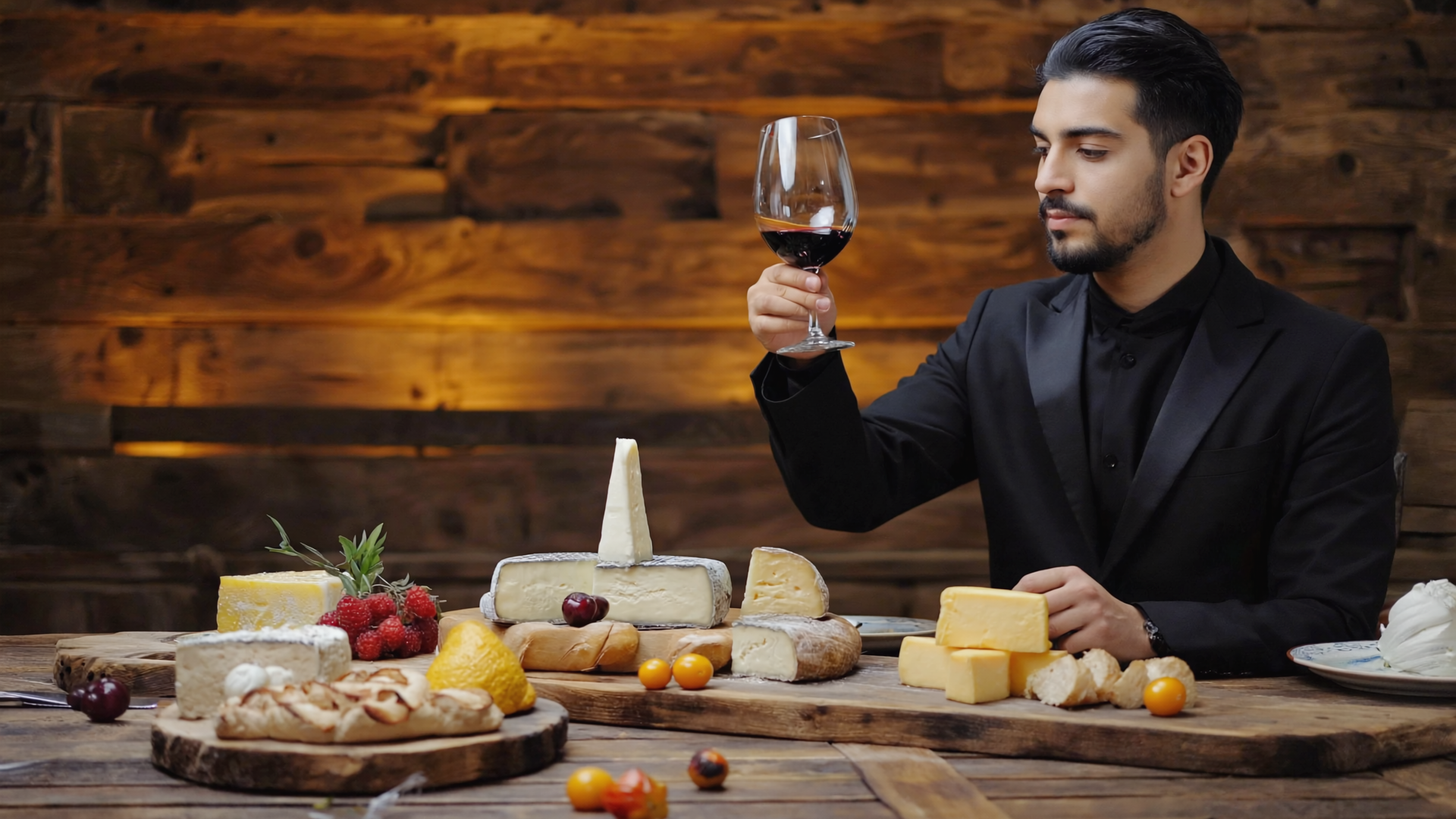
In the sophisticated world of wine consumption, there’s a dirty little secret that most “experts” don’t want you to know: many of us have been drinking red wine incorrectly our entire lives. The rituals and traditions we’ve been taught—from serving temperature to glassware selection—are often based on outdated conventions rather than enhancing our enjoyment of the wine itself.
As someone who has navigated the journey from casual wine drinker to passionate enthusiast, I’ve discovered that unlearning these entrenched habits can transform your red wine experience entirely. So pour yourself a glass (but not how you usually do), and prepare to have your wine world turned upside down.
The Temperature Travesty
Perhaps the most pervasive myth in red wine consumption is that it should be served at “room temperature.” This guideline originated in drafty European castles where room temperature hovered around 60-65°F. Today’s well-insulated homes typically maintain temperatures closer to 70-75°F—far too warm for most reds.
When red wine is served too warm, the alcohol volatilizes more readily, creating an unbalanced experience where boozy heat overwhelms the wine’s more delicate characteristics. The fruit flavors become muddied, and the subtle complexities that winemakers labor to achieve are masked behind a wall of alcoholic warmth.
The solution? Chill your reds. Not to refrigerator coldness, but to proper cellar temperature—about 55-65°F depending on the wine’s body. Lighter reds like Pinot Noir and Gamay benefit from being served at the cooler end of this spectrum (55-58°F), while fuller-bodied wines like Cabernet Sauvignon and Syrah show their best at slightly warmer temperatures (60-65°F).
Don’t have a wine fridge? No problem. Fifteen minutes in a regular refrigerator before serving will bring most room-temperature reds into their optimal range. Your wine will immediately show more freshness, better acid structure, and clearer fruit definition.

The Breathing Blunder
“Let it breathe” might be the most misunderstood wine advice ever given. Simply pulling the cork and letting a bottle sit for twenty minutes does almost nothing for the wine inside—only the small surface area exposed to air at the bottle neck receives any benefit.
The true purpose of aeration is to allow oxygen to interact with the wine, softening harsh tannins and allowing the aromatic compounds to open up and express themselves. This process needs significant surface area to work effectively.
Instead of the passive “cork-pull and wait” method, try one of these approaches:
- Decant aggressively. Pour your wine with height and vigor into a decanter or carafe, allowing it to splash and maximize oxygen contact.
- Double-decant. Pour the wine into a decanter, then back into the (rinsed) bottle, then back into the decanter again.
- Use a large-bowled glass and swirl enthusiastically before each sip.
- For younger, more tannic wines, consider decanting 1-2 hours before serving.
- For older, more delicate wines (15+ years), minimal decanting or just careful pouring may be sufficient.
Proper aeration isn’t just for expensive bottles. In fact, many moderately priced wines benefit more dramatically from proper breathing than their premium counterparts, as they may contain more rigid tannin structures that soften beautifully with oxygen exposure.
The Glassware Gaffe
That special “Cabernet glass” you bought? It might be completely wrong for the wines you actually drink. Generic red wine glasses often fail to deliver wine to the optimal parts of your palate or properly concentrate the aromatic elements that make wine enjoyable.
The shape of a wine glass dramatically influences how you perceive both aroma and flavor. The rim diameter directs the flow of wine to specific taste zones on your tongue, while the bowl shape concentrates or disperses volatile aromatic compounds.
For most red wines, the ideal glass has:
- A bowl wide enough to allow proper swirling and aeration
- A tapered rim to concentrate aromas
- Sufficient capacity to hold 4-6 ounces while only being filled to about one-third of its volume
- Thin crystal or glass that doesn’t distract from the wine itself
Different red varietals truly do benefit from specific glass shapes, but if you’re not ready to invest in a diverse collection, a standard Bordeaux-style glass with a broad bowl and tapered rim works well for most reds. The massive, overly wide-mouthed glasses that became popular in the early 2000s often allow too much aroma to escape before it reaches your nose.
The Pairing Predicament
“Red wine with meat, white wine with fish” might be the most damaging oversimplification in culinary history. This outdated rule has prevented countless delicious pairings from gracing dinner tables worldwide.
The true art of wine pairing isn’t about matching colors but about balancing flavors, weights, and structures. A light-bodied Pinot Noir can be magical with salmon. A robust Zinfandel might be perfect with spicy grilled shrimp. Meanwhile, serving a delicate filet mignon with a massive Petite Sirah could completely overwhelm the meat.
When pairing red wine with food, consider these factors instead:
- Weight and intensity (light foods with lighter-bodied wines)
- Acidity levels (acidic foods need acidic wines)
- Flavor bridges (complementary or contrasting flavor elements)
- Regional connections (foods and wines from the same area)
Some of the most memorable dining experiences come from breaking traditional pairing rules with thoughtful intention. That Beaujolais with sushi? It might be your new favorite combination.

The Vintage Vexation
We’ve been conditioned to believe that older wines are inherently better, leading many wine drinkers to stash bottles away for years—often in improper storage conditions—only to open them once they’re past their prime.
The truth is that roughly 90% of wine produced worldwide is intended to be consumed within 1-5 years of release. Most everyday wine is made in a style that showcases fresh fruit characteristics and approachable structures—qualities that diminish, not improve, with extended aging.
Even among wines that do benefit from aging, most reach their peak earlier than conventional wisdom suggests. Many prestigious Bordeaux and Burgundy wines now show wonderfully after 7-10 years rather than the decades often prescribed by traditional advice.
Unless you’re storing wine in proper cellar conditions (55°F, 70% humidity, no light or vibration), you’re likely doing more harm than good by trying to age most bottles. Embrace the beauty of wines made for drinking now—they represent the vast majority of the world’s production, including many high-quality options.
The Price Prejudice
Perhaps the most liberating realization in wine appreciation is that price and quality exist on entirely separate spectrums. The correlation between cost and enjoyment is far weaker than the wine industry would have you believe.
Blind tasting studies consistently reveal that the perceived quality of wine is dramatically influenced by price anchoring and label recognition. When these factors are removed, even experienced tasters struggle to identify “premium” wines reliably.
Several factors beyond quality drive wine pricing:
- Production volume and economies of scale
- Land costs in prestigious regions
- Marketing and brand positioning
- Critic scores and historical reputation
- Supply chain length and importation costs
Some of the world’s most exciting and delicious red wines come from regions still building their reputations, from producers focused on quality rather than marketing, and from lesser-known grape varieties that deliver extraordinary value.
The Cork Conundrum
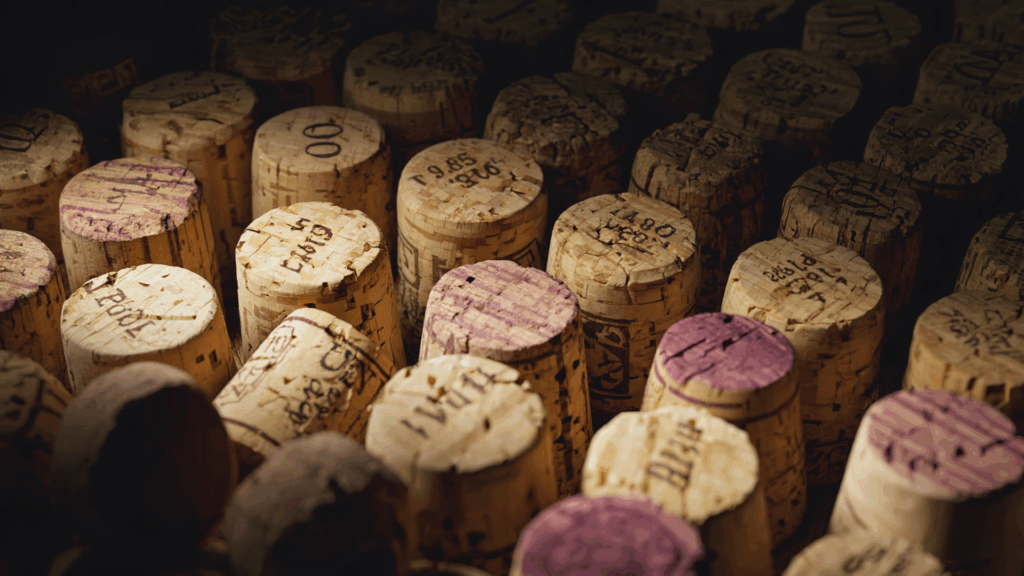
The ceremonial opening of a cork-sealed bottle has become almost synonymous with wine culture, but this tradition may be more about theater than wine quality. The wine industry’s gradual shift toward alternative closures—particularly high-quality screw caps and technical corks—reflects a growing understanding that traditional corks introduce unnecessary variables to wine storage.
Natural cork’s porous structure allows minute oxygen transfer that can benefit some wines, but it also introduces inconsistency and the risk of “cork taint”—a musty compound that ruins approximately 3-8% of cork-sealed bottles.
Progressive wine regions like New Zealand, Australia, and parts of Oregon have embraced screw caps for premium wines across all price points, recognizing their superior consistency in preserving wine as the winemaker intended. The lingering stigma against non-cork closures is based entirely on tradition rather than quality considerations.
Embracing Wine Liberation
The journey to drinking red wine “correctly” ultimately isn’t about following a new set of rigid rules—it’s about questioning conventions and discovering what truly enhances your personal enjoyment. Wine appreciation should be liberating, not intimidating; inclusive, not exclusive.
By challenging these entrenched habits, you’ll not only derive more pleasure from every bottle but also develop a more authentic relationship with wine itself. The next time you pour a glass of red, give yourself permission to experiment: try it slightly chilled, in different glassware, with unexpected foods.
After all, the only truly “wrong” way to drink wine is to let someone else’s rules diminish your pleasure in the experience. The wine world is evolving beyond its stuffy traditions, embracing a more curious, accessible approach to appreciation. It’s time you did too.
So go ahead—chill that Merlot, pair that Syrah with seafood, and enjoy that screw-capped bottle without apology. Your wine journey will be richer for it, even if the “experts” might clutch their pearls in horror. Because ultimately, wine is about pleasure, not performance—and you’ve got a lifetime of new pleasures to discover.
Jason Borrows is an artist, editor, essayist, cultural curator, social entrepreneur, philanthropist and award winning documentary film producer based out of London. He is a founding member of the Collaborative Art Movement and the author of the book The Rise of The Collaborative Art Movement. He is firmly against chemical agriculture and a vigorous advocate of wines that express place.