Wine pairing is an art form that transforms ordinary meals into sensory experiences. While many people approach wine selection with trepidation, afraid of making the “wrong” choice, the truth is that understanding a few fundamental principles can revolutionize how you think about food and wine together. This guide will arm you with the knowledge to create harmonious pairings that enhance both your meal and your wine, turning every dinner into a memorable occasion.
Understanding The Science Behind Great Pairings
The magic of wine pairing lies in the interaction between the wine’s components and the food’s flavors, textures, and aromas. Wine contains several key elements that interact with food: acidity, tannins, alcohol, sweetness, and body. When these elements complement or contrast with similar characteristics in food, they create either harmony or exciting tension that elevates both components.
Acidity in wine acts as a palate cleanser, cutting through rich, fatty foods and refreshing your taste buds. This is why a crisp Sauvignon Blanc works beautifully with goat cheese or why Champagne pairs so well with fried foods. The wine’s acidity balances the richness, preventing palate fatigue and allowing you to fully appreciate each successive bite and sip.
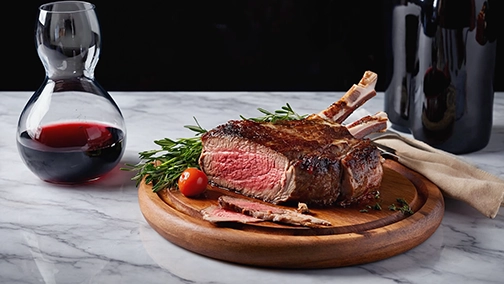
Tannins, those compounds that create a drying sensation in your mouth, are found primarily in red wines and interact particularly well with protein and fat. This is why a bold Cabernet Sauvignon complements a juicy steak so perfectly – the tannins bind with the proteins and fats, softening the wine while enhancing the meat’s savory qualities.
The Foundation: Classic Pairing Principles
Complement and Contrast form the two pillars of successful wine pairing. Complementary pairings match similar intensities and flavors – a delicate Pinot Grigio with light seafood, or a rich Chardonnay with creamy pasta. Contrasting pairings use opposing characteristics to create balance – a sweet Riesling with spicy Asian cuisine, or a high-acid wine with rich, fatty dishes.
Weight matching ensures that neither the wine nor the food overwhelms the other. Light-bodied wines pair best with delicate dishes, while full-bodied wines can stand up to robust, heavily seasoned foods. Think of it as a dance where both partners need to be equally matched to create harmony.
Regional pairing leverages centuries of culinary evolution. Foods and wines that developed in the same region often pair beautifully because they evolved together. Italian Chianti with tomato-based pasta, French Sancerre with goat cheese, or Spanish Tempranillo with jamón ibérico represent perfect examples of this principle in action.

Red Wine Pairings That Transform Meals
Red wines offer incredible versatility when you understand their characteristics. Pinot Noir, with its bright acidity and moderate tannins, bridges the gap between light and medium-bodied wines. Its earthy, cherry notes complement roasted chicken, grilled salmon, or mushroom-based dishes beautifully. The wine’s natural acidity cuts through rich sauces while its delicate fruit flavors don’t compete with subtle proteins.
Merlot’s plush texture and approachable tannins make it ideal for comfort foods. Its chocolate and plum notes enhance braised meats, meat-based pasta dishes, and aged cheeses. The wine’s smooth character complements rather than competes with food, making it perfect for dishes with complex seasoning or multiple components.
Cabernet Sauvignon demands bold foods that can match its intensity. Its high tannins and full body pair exceptionally with red meat, particularly beef. The wine’s cassis and tobacco notes complement grilled steaks, lamb, and aged hard cheeses. When paired correctly, both the wine and food become more than the sum of their parts.
Syrah and Shiraz bring pepper and spice notes that work wonderfully with grilled meats, barbecue, and dishes featuring black pepper or herbs. The wine’s boldness can handle intense flavors like blue cheese or game meats, while its fruit-forward character balances spicy cuisines.

White Wine Magic: From Crisp To Creamy
White wines offer an entirely different palette of pairing possibilities. Sauvignon Blanc’s herbaceous qualities and bright acidity make it a natural partner for vegetables, herbs, and citrus-based dishes. Its grassiness complements asparagus, its acidity cuts through rich dressings, and its mineral notes enhance seafood preparations.
Chardonnay’s versatility depends largely on its winemaking style. Unoaked versions pair beautifully with shellfish, light poultry, and fresh salads, while oaked Chardonnays complement richer preparations like lobster with butter sauce, roasted chicken, or creamy pasta dishes. The wine’s tropical fruit notes and creamy texture enhance dishes with similar characteristics.
Off-dry Riesling’s natural sweetness and high acidity create exciting pairing opportunities, particularly with spicy cuisines. Its ability to cool the palate while complementing heat makes it perfect for Thai, Indian, or Mexican dishes. The wine’s floral notes also pair beautifully with aromatic herbs and fruit-based preparations.
Gewürztraminer’s exotic spice notes and rich texture complement Asian cuisines, particularly those featuring ginger, lemongrass, or coconut. Its natural aromatics enhance dishes with complex spice profiles while its slight sweetness balances heat and intensity.
Rosé: The Underestimated Bridge Wine
Rosé wines offer the food-friendliness of both red and white wines, making them incredibly versatile pairing partners. Their bright acidity and fresh fruit flavors complement summer salads, grilled vegetables, and seafood, while their subtle tannins allow them to handle light meat dishes and charcuterie boards.
Provence-style rosés, with their mineral backbone and delicate fruit, pair beautifully with Mediterranean cuisines, while bolder rosés can complement spicier dishes and richer preparations. Their refreshing character makes them ideal for outdoor dining and casual entertaining.
Sparkling Wine: Beyond Special Occasions
Sparkling wines deserve recognition as serious food pairing partners. Their effervescence and acidity cut through rich foods, cleanse the palate, and enhance flavors. Champagne’s yeasty complexity complements fried foods, aged cheeses, and rich appetizers, while its bubbles create textural contrast with creamy dishes.
Prosecco’s fresh fruit character and lighter body pair well with lighter fare – antipasti, fresh mozzarella, or fruit-based desserts. Its approachability makes it perfect for casual dining and social gatherings.
Dessert Wine Pairings: Sweet Endings
Dessert wines offer unique pairing opportunities that extend beyond traditional sweet endings. Port’s rich, fortified character complements blue cheeses and chocolate desserts, while late-harvest Rieslings pair beautifully with fruit tarts and spiced desserts.
The key to dessert wine pairing lies in ensuring the wine is sweeter than the dessert itself. This prevents the wine from tasting thin or acidic in comparison. Consider pairing dessert wines with savory elements like nuts, cheese, or dark chocolate to create complex flavor interactions.
Creating Your Own Pairing Adventures
The best way to develop your pairing skills is through experimentation. Start with basic principles but don’t be afraid to try unexpected combinations. Consider the dominant flavors in your dish and think about wine characteristics that might complement or contrast them.
Keep notes on successful pairings and learn from less successful attempts. Pay attention to how different wines interact with the same dish and how preparation methods affect pairing dynamics. A grilled chicken breast pairs differently than a roasted one, and understanding these nuances will improve your pairing success.
The Art Of Flexibility
Remember that wine pairing guidelines are suggestions, not rigid rules. Personal preference plays a significant role, and what works for one person might not work for another. The goal is to enhance your enjoyment, not to follow prescribed formulas blindly.
Consider the occasion, season, and your guests’ preferences when selecting pairings. A casual barbecue calls for different wine choices than an elegant dinner party, and seasonal ingredients often pair best with wines that complement the weather and mood.
Mastering wine pairing is a journey of discovery that rewards curiosity and experimentation. By understanding the fundamental principles of how wine and food interact, you can create memorable dining experiences that transform ordinary meals into extraordinary occasions.
The key lies in practice, patience, and an open mind. Start with classic pairings to build your confidence, then gradually explore more adventurous combinations. Remember that the best pairing is the one you enjoy most, and every meal offers an opportunity to discover new flavor combinations that will enhance your appreciation of both wine and food.
With these principles as your guide, you’re well-equipped to create wine pairings that will indeed change your life – one delicious combination at a time.