Picture this: You’re at an elegant dinner party, and someone passes you a glass of wine. Instead of mumbling “it’s nice,” you confidently swirl the glass, take a thoughtful sip, and declare, “What a beautiful expression—I’m getting lovely tertiary aromas with excellent structure and a persistent finish.” Suddenly, every head at the table turns your way with newfound respect. The secret? A well-chosen vocabulary of wine terms that transforms you from casual sipper to sophisticated connoisseur.
Wine terminology might seem intimidating at first, but mastering a handful of key phrases can dramatically elevate your wine game. These aren’t just fancy words to throw around—they’re precise descriptors that help you communicate what you’re actually tasting and experiencing. Whether you’re dining with colleagues, impressing a date, or simply want to feel more confident when ordering wine, these 17 essential terms will give you the vocabulary to navigate any wine conversation with authority.
Terroir
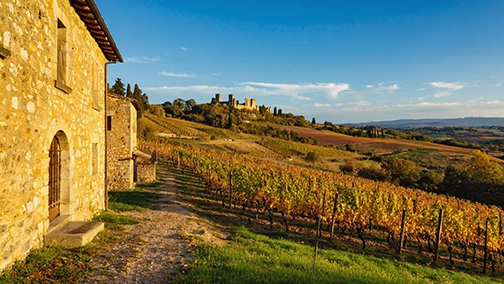
Perhaps the most fundamental concept in wine, terroir encompasses everything about where grapes are grown—the soil, climate, elevation, and even the winemaker’s philosophy. When you mention terroir, you’re acknowledging that wine is a product of place. Try saying something like, “You can really taste the terroir in this Burgundy—there’s something distinctly mineral about it that speaks to the limestone soils.” This immediately signals that you understand wine as more than just fermented grape juice.
Tannins
These naturally occurring compounds create that dry, puckering sensation in your mouth, particularly with red wines. Tannins come from grape skins, seeds, and stems, as well as oak barrels. When discussing tannins, you might observe, “The tannins are beautifully integrated here—firm enough to provide structure but not overpowering.” This shows you understand the balance between intensity and elegance that marks great winemaking.
Body
Wine body refers to how heavy or light the wine feels in your mouth, influenced by alcohol content, residual sugar, and tannins. Light-bodied wines feel almost like water, while full-bodied wines have a weightier, more viscous quality. Confidently stating, “I love the medium body of this Pinot Noir—it has presence without being heavy” demonstrates your understanding of wine’s textural qualities.
Finish
The finish is what happens after you swallow—how long the flavors linger and evolve in your mouth. A wine with a “long finish” continues to reveal flavors for many seconds after swallowing, while a “short finish” disappears quickly. Commenting on a wine’s “persistent finish with hints of dark chocolate and espresso” shows you’re paying attention to the complete tasting experience, not just the initial flavors.
Acidity
Acidity gives wine its freshness and vibrancy, making your mouth water slightly. Wines with good acidity feel crisp and lively, while low-acid wines can taste flat or flabby. You might say, “The bright acidity in this Sauvignon Blanc makes it perfect with the goat cheese—it cuts through the richness beautifully.” This demonstrates understanding of how wine components interact with food.
Minerality
A somewhat controversial but widely used term, minerality describes flavors and aromas that suggest stones, wet concrete, or chalk. It’s often associated with wines from particular soils or regions. Observing that “there’s a distinct mineral backbone running through this Chablis” shows you’re attuned to subtle, sophisticated flavor nuances that many casual drinkers miss.
Vintage
While everyone knows vintage refers to the year grapes were harvested, using it knowledgeably means understanding that some years produce better wines than others due to weather conditions. Saying something like, “2016 was an exceptional vintage in Bordeaux—you can taste the concentration from that perfect growing season” shows you appreciate how nature affects wine quality.
Varietal Character
This refers to the typical flavors and characteristics associated with specific grape varieties. Cabernet Sauvignon typically shows cassis and cedar notes, while Gewürztraminer displays lychee and rose petal aromas. Noting that “this Syrah shows beautiful varietal character with its white pepper and olive tapenade notes” demonstrates your knowledge of grape-specific flavor profiles.
Oak
Oak barrels impart flavors like vanilla, toast, and spice to wine, while also allowing subtle oxidation that softens tannins. However, oak can be overdone. Commenting that “the oak is well-integrated here—it adds complexity without masking the fruit” shows you understand the delicate balance between wood and wine flavors.
Balance
Perhaps the most important quality in fine wine, balance refers to how well a wine’s components—fruit, acidity, tannins, alcohol, and oak—work together. A balanced wine has no single element dominating the others. Observing that “this wine has exceptional balance—everything is in perfect harmony” is perhaps the highest compliment you can give.
Complexity
Complex wines reveal multiple layers of flavors and aromas that evolve in the glass and change with each sip. Simple wines show only basic fruit flavors. Saying, “What I love about this wine is its complexity—I keep discovering new nuances with each taste” indicates you’re engaging deeply with the wine rather than just drinking it.
Structure
Structure refers to a wine’s framework—how its tannins, acidity, and alcohol create the wine’s backbone. Well-structured wines have clearly defined components that support the fruit flavors. Commenting that “this Bordeaux has excellent structure that will allow it to age gracefully for decades” shows you understand how wine components contribute to aging potential.
Elegance
Elegance in wine suggests refinement, subtlety, and grace rather than power or intensity. Elegant wines achieve their impact through finesse rather than force. Describing a wine as “elegant and refined, with a silky texture and subtle complexity” positions you as someone who appreciates sophistication over mere intensity.
Expression
Wine expression refers to how clearly a wine communicates its origins, grape variety, or winemaker’s intent. Pure expression means the wine tastes distinctly of its place and grape. Noting that “this is a beautiful expression of cool-climate Chardonnay” shows you understand how environmental factors influence wine character.
Aromatics
Beyond just “smells good,” aromatics refers to the intensity and complexity of a wine’s nose. Some wines are highly aromatic with explosive fragrances, while others are more restrained. Observing that “the aromatics on this Riesling are incredible—such pure, intense fruit expression” demonstrates attention to the wine’s aromatic profile.
Typicity
Typicity means a wine tastes like it should based on its grape variety, region, or style. A wine with good typicity clearly expresses what you’d expect from its category. Saying, “This is a textbook example of Barolo—it shows perfect typicity with its tar, roses, and firm tannins” shows deep understanding of regional wine styles.
Persistence
Similar to finish but more specific, persistence refers to how long and intensely flavors continue to evolve after swallowing. Persistent wines keep revealing new flavors and sensations. Commenting on a wine’s “remarkable persistence—the flavors just keep developing” indicates you’re experiencing the wine’s full temporal dimension.
Putting It All Together
The key to using these terms effectively isn’t just dropping them randomly into conversation, but using them accurately and in context. Start by focusing on a few terms that resonate with your actual tasting experience. If you genuinely notice a wine’s minerality or appreciate its balance, say so. Authenticity trumps vocabulary every time.
Remember that the goal isn’t to intimidate others or show off, but to enhance everyone’s appreciation of the wine being shared. Use these terms to spark interesting conversations about what you’re all tasting together. Ask questions like, “Do you notice the mineral quality in this wine?” or “What do you think about the tannin structure here?”
The most sophisticated wine lovers are those who can communicate their appreciation clearly and help others discover new aspects of what they’re drinking. Master these 17 terms, use them genuinely and appropriately, and you’ll find yourself not just sounding like a wine pro, but actually developing into one. After all, the best wine knowledge comes not from memorizing fancy words, but from paying attention to what’s actually in your glass—and having the vocabulary to share that experience with others.