Natural wine has evolved from a niche movement to a global phenomenon, captivating wine lovers with its authentic expression of terroir and minimal intervention winemaking. For newcomers to this category, the sheer diversity can feel overwhelming. Where do you start when exploring wines made with indigenous yeasts, minimal sulfites, and hands-off cellar practices?
The answer lies in focusing on specific regions where natural winemaking isn’t just a trend—it’s a tradition. But first, what exactly defines natural wine? While there’s no official certification, natural wine generally means wines made with organic or biodynamic farming practices using no synthetic pesticides or herbicides. The grapes are hand-harvested for gentle handling, then fermented using only the native yeasts present on the grape skins rather than commercial yeasts. Crucially, natural winemakers add minimal to no sulfites during production, avoiding sugar additions, acid adjustments, or fining agents. The philosophy centers on low intervention—essentially letting the wine make itself while the winemaker acts as a guide rather than director.
Loire Valley, France
The Loire Valley stands as natural wine’s spiritual home, where Nicolas Joly, Domaine de l’Ecu, Olivier Cousin, Domaine Mosse provide inspiration. The region’s cool climate and diverse soils create ideal conditions for low-intervention winemaking, while the abundance of native grape varieties—Muscadet, Sauvignon Blanc, Chenin Blanc and Cabernet Franc—offers something for every palate.
Start with a Muscadet from a producer like Domaine de la Pépière. Their affordable bone-dry whites showcase the region’s maritime influence with bright acidity and mineral precision. For reds, explore Chinon from Olga Raffault where Cabernet Franc expresses itself with earthy elegance and remarkable food compatibility. Noella Morantin in Touraine crafts beautiful, elegant expressions of Gamay and Côt (Malbec) from her organic vineyards.
Beaujolais, France
Beaujolais has undergone a remarkable renaissance, shedding its reputation for simple party wines to emerge as a natural wine powerhouse. The region’s granite soils and Gamay grape create wines of extraordinary purity and drinkability. This transformation is largely credited to the legendary “Gang of Four”—Marcel Lapierre, Jean Foillard, Jean-Paul Thévenet, and Guy Breton—who revolutionized Beaujolais in the 1980s by returning to traditional carbonic maceration techniques and eliminating chemical additives. Their influence spread throughout the region, inspiring a new generation of producers like Yvon Métras who continue crafting bottles that perfectly balance fruit intensity with earthy complexity.
The beauty of natural Beaujolais lies in its approachability. These wines rarely overwhelm with tannins or alcohol, making them ideal for natural wine newcomers. A bottle from Morgon or Fleurie offers the perfect introduction to how natural winemaking can enhance rather than mask a grape’s inherent character.
Languedoc, France
Southern France’s Languedoc region combines ancient winemaking traditions with a new generation of natural wine pioneers. The Mediterranean climate and diverse terroir—from coastal limestone to mountainous schist—provide endless possibilities for expression. Producers like Matassa, Jean-François Coutelou, Mylène Bru, Les Clos Perdus, Domaine Gauby, La Sorga, Yannick Pelletier, create wines that capture the region’s wild, untamed character.
Languedoc natural wines often display more concentration and power than their northern counterparts, making them excellent for those who enjoy bold flavors. The region’s commitment to indigenous varieties like Carignan and Mourvèdre showcases grapes that truly belong to this Mediterranean landscape.
Jura, France
The Jura’s reputation for oxidative winemaking and indigenous varieties makes it a natural wine haven. This small region between Burgundy and Switzerland has maintained traditional practices that align perfectly with natural wine philosophy. The legendary Chardonnay and Savagnin whites, along with elegant Pinot Noir and Poulsard reds, offer unique flavor profiles found nowhere else.
Producers like Jean-Francois Ganevat, Philippe/Tony Bornard and Pierre Overnoy create wines that challenge conventional expectations while remaining utterly compelling. Jura’s sous voile aging technique produces wines with distinctive nutty, oxidative notes that represent natural winemaking at its most adventurous yet accessible.
Friuli, Italy
Northeastern Italy’s Friuli region has long been associated with high-quality white wines, but natural producers here are creating some of the world’s most compelling skin-contact and orange wines. The region’s diverse soils and continental climate provide ideal conditions for extended skin contact and natural fermentation.
Producers like Gravner, Radikon, La Castellada and Dario Princic pioneered techniques that have influenced natural winemakers worldwide. Their Pinot Grigio and Ribolla Gialla offer textural complexity and aromatic intensity that showcase how traditional techniques can create thoroughly modern wines.
Mount Etna, Sicily
Sicily’s Mount Etna represents one of Europe’s most exciting wine regions, where volcanic soils and high altitude create unique growing conditions. The revival of indigenous varieties like Nerello Mascalese and Carricante, combined with natural winemaking techniques, produces wines of extraordinary elegance and minerality.
Producers like Frank Cornelissen, Salvo Foti, Eduardo Torres Acosta and Stef Yim craft wines that capture Etna’s raw volcanic energy while maintaining remarkable finesse. These wines offer perfect examples of how natural techniques can express extreme terroir in accessible, food-friendly bottles.
Georgia
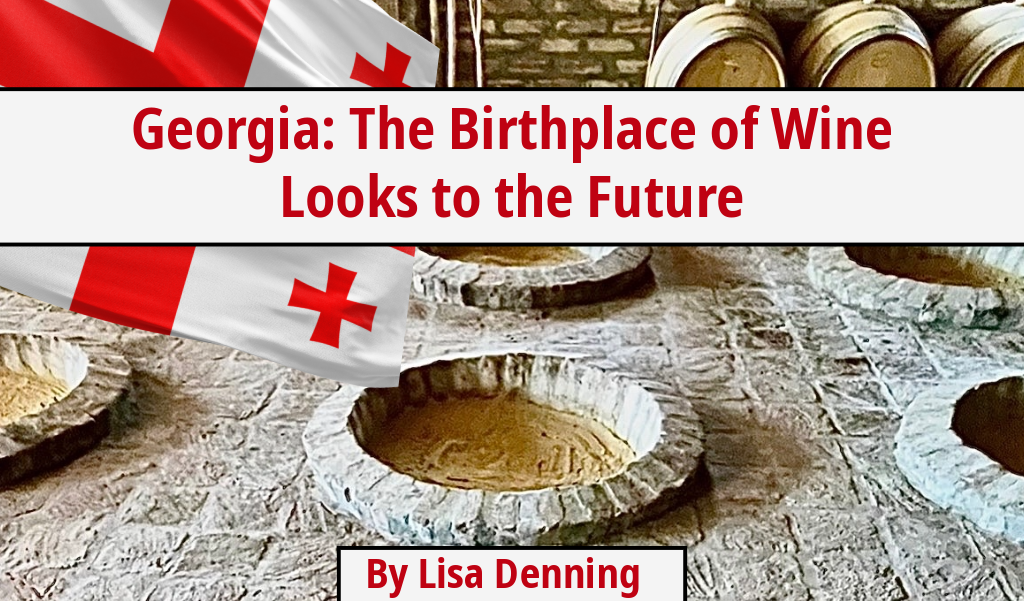
As the birthplace of wine, Georgia offers the ultimate natural wine experience through its 8,000-year-old qvevri tradition. These large clay vessels buried underground create ideal conditions for natural fermentation and aging, producing wines unlike anything else in the world.
Modern producers like Pheasant’s Tears, Iago Bitarishvili, and Ramaz Nikoladze combine ancient techniques with contemporary quality standards. Georgian orange wines offer an extraordinary introduction to skin-contact winemaking, while the reds showcase how traditional methods can create wines of profound depth and character.
Mosel, Germany
Germany’s Mosel Valley proves that natural winemaking enhances rather than diminishes varietal character. The region’s steep slate slopes and cool climate create ideal conditions for Riesling, while producers like Rudolf Trossen, Weiser-Künstler and Staffelter Hof demonstrate how minimal intervention can produce wines of crystalline purity. Clemens Busch was practicing biodynamics and natural fermentation decades before it was popular. His Rieslings from the Grand Cru “Marienburg” vineyard are studies in terroir, with purity and power.
Mosel natural wines offer perfect entry points for those intimidated by the category’s reputation for funkiness. These Rieslings display the grape’s inherent elegance while adding subtle complexity through natural fermentation and extended lees contact.
Finding Your Natural Wine Path
These eight regions provide diverse entry points into natural wine, each offering distinct expressions of place and grape. Start with regions and styles that align with your existing preferences—Loire Valley whites for Sancerre lovers, Beaujolais reds for Burgundy enthusiasts.
The key to enjoying natural wine lies in approaching it with an open mind and understanding that these wines prioritize authenticity over predictability. Each bottle tells a story of its specific place and vintage, offering wine lovers the chance to experience terroir in its purest form.
Whether you’re drawn to the mineral precision of Loire Valley Muscadet or the volcanic intensity of Etna reds, these regions offer countless opportunities to discover what makes natural wine so compelling. The journey begins with a single bottle—choose your region and start exploring. There are many producers not mentioned here that could be described as natural wine pioneers, so do some research before planning a trip (either physically or emotionally in the comfort of your home alongside a good bottle). Visit a good natural wine bar or wine shop and ask for recommendations. Natural wine is a journey, and a special one at that.