Ancient Foundations: Wine as Divine Inspiration
Wine has been humanity’s most literary beverage, flowing through the pages of history as both muse and metaphor. While we often think of wine simply as an alcoholic drink, its profound influence on literature and art reveals a hidden narrative that has shaped creative expression for over 4,000 years. This secret history traces a path from ancient Mesopotamian poetry to contemporary novels, revealing how the culture of wine has been inseparable from the evolution of human creativity.
Ancient Foundations: Wine as Divine Inspiration
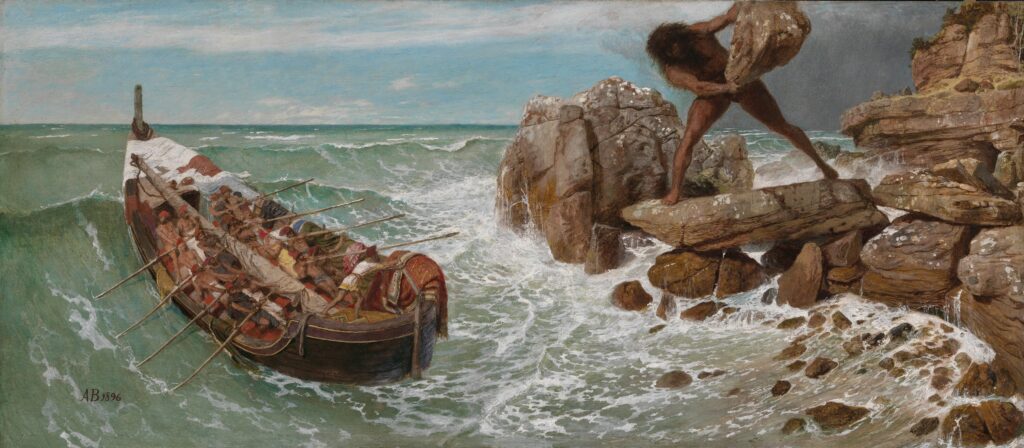
The relationship between wine and artistic expression began in humanity’s earliest civilizations. Homer’s Odyssey provides one of literature’s most strategic uses of wine when Odysseus offers the cyclops Polyphemus strong, undiluted wine—described as a divine gift—that intoxicates the giant and enables the Greeks’ escape. This episode establishes wine as both civilizing force and narrative catalyst, representing the triumph of cunning civilization over brute barbarism.
In ancient Mesopotamia, the Epic of Gilgamesh—one of literature’s first masterpieces—featured wine as a symbol of civilization itself. Siduri, the wine-maker goddess, offers Gilgamesh counsel about embracing life’s pleasures, establishing wine as a literary device for wisdom and philosophical reflection.
Ancient Greek culture elevated this relationship to unprecedented heights. Dionysus, the god of wine, was also the patron of theater, creating an inseparable link between wine and dramatic arts. The Great Dionysia, Athens’ premier theatrical festival, was simultaneously a wine festival, where audiences consumed wine while watching the tragedies of Aeschylus, Sophocles, and Euripides. This wasn’t mere coincidence—the Greeks understood that wine’s ability to lower inhibitions and heighten emotions made it the perfect companion to dramatic catharsis.
Greek symposiums revolutionized intellectual discourse by making wine central to philosophical discussion. Plato’s “Symposium” remains one of philosophy’s most influential texts, structured around a drinking party where participants explore the nature of love. The measured consumption of wine—neither too little nor too much—was believed to facilitate the kind of relaxed yet focused state necessary for profound thinking.
Sacred Vessels: Wine in Religious and Mystical Literature
Christianity transformed wine into perhaps literature’s most powerful symbol. The transformation of water into wine at Cana and wine’s role in the Last Supper created a rich metaphorical tradition that permeates Western literature. Medieval illuminated manuscripts often depicted these biblical wine miracles with extraordinary artistic detail, where the visual representation of wine became a spiritual meditation in itself.
Islamic poetry, despite religious prohibitions against alcohol, developed a sophisticated tradition of wine imagery. Persian poets like Hafez and Omar Khayyam used wine as a metaphor for divine love and spiritual intoxication. Khayyam’s Rubaiyat speaks of wine not as mere alcohol, but as a symbol for embracing the ephemeral nature of existence: “A jug of wine, a loaf of bread, and thou.” This mystical approach to wine imagery influenced Sufi poetry and later found its way into Western romantic literature through translations by Edward FitzGerald.
Renaissance Revelry: Art Patronage and Bacchanalian Themes
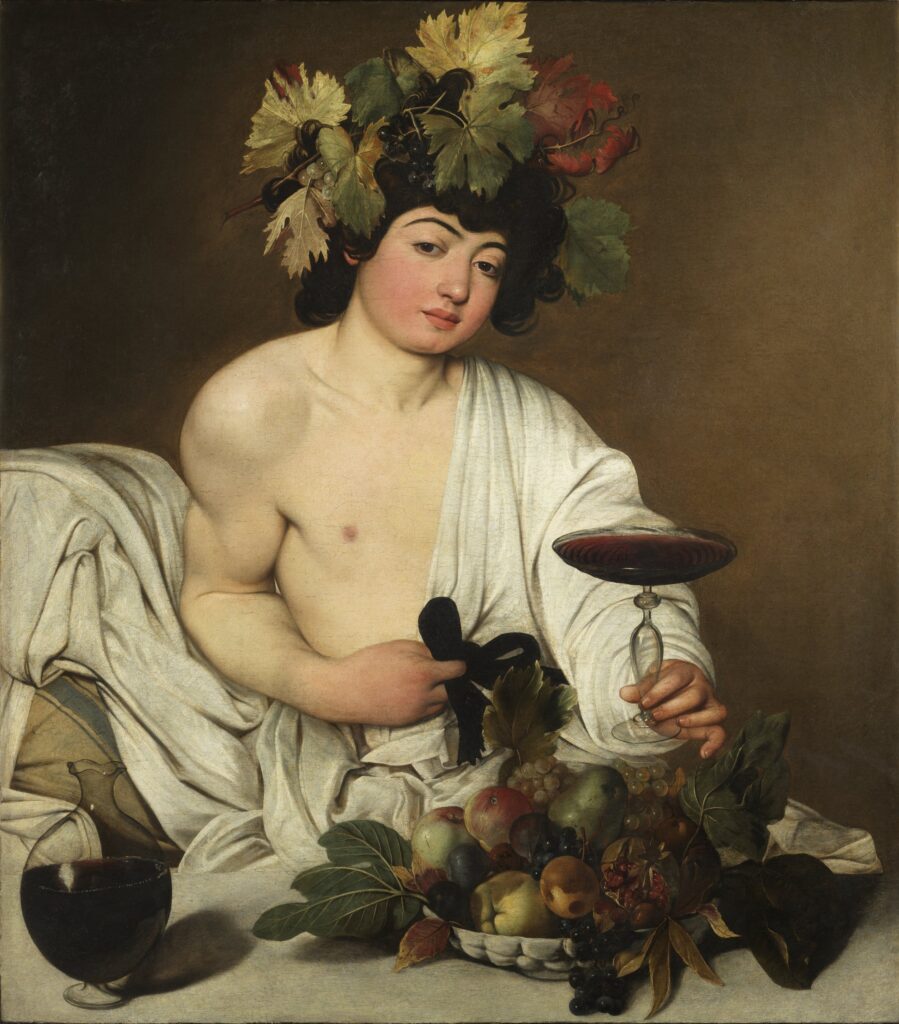
The Italian Renaissance witnessed an explosion of wine-themed art, largely due to the patronage system that brought artists and wine merchants together. The Medici family, prominent wine traders and art patrons, commissioned works that celebrated both their commercial interests and cultural sophistication. Caravaggio’s “Bacchus” (1595) exemplifies this merger, presenting the wine god as a sensual, almost contemporary figure rather than a distant mythological being.
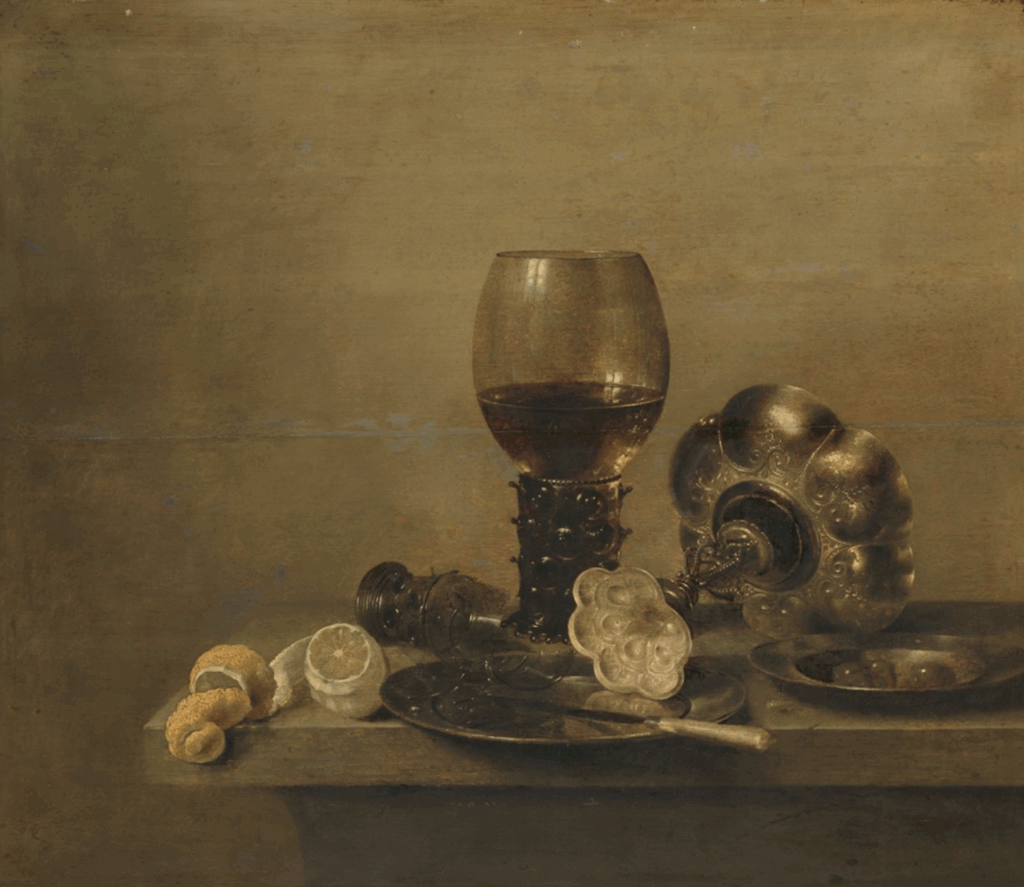
This period also saw the emergence of still life painting as a major genre, with wine vessels, grapes, and wine-making scenes becoming central motifs. Dutch Golden Age painters like Willem Claesz Heda created intricate compositions featuring wine glasses, decanters, and the implements of wine consumption, elevating everyday wine culture to high art.
Shakespeare wove wine imagery throughout his works, using it to explore themes of power, celebration, and moral corruption. In “Macbeth,” wine becomes associated with hospitality violated, while in “Hamlet,” the poisoned cup represents the corruption of Danish court culture. The Globe Theatre itself was situated in Southwark, London’s brewing and drinking district, where audiences regularly consumed wine and ale during performances.
Romantic Intoxication: Wine as Literary Rebellion
The Romantic period transformed wine from a social beverage into a symbol of artistic rebellion and individual expression. Lord Byron’s scandalous lifestyle, famously including drinking wine from human skulls, became as legendary as his poetry. His wine consumption was intertwined with his rejection of social conventions and his embrace of passionate, unrestrained creativity.
French poets elevated wine culture to new artistic heights. Charles Baudelaire’s “Les Fleurs du mal” contains several wine poems, including “The Soul of Wine,” where wine literally speaks to express the suffering and joy of human existence. Baudelaire understood wine as both poison and medicine, destruction and creativity—a duality that became central to modern literary sensibility.
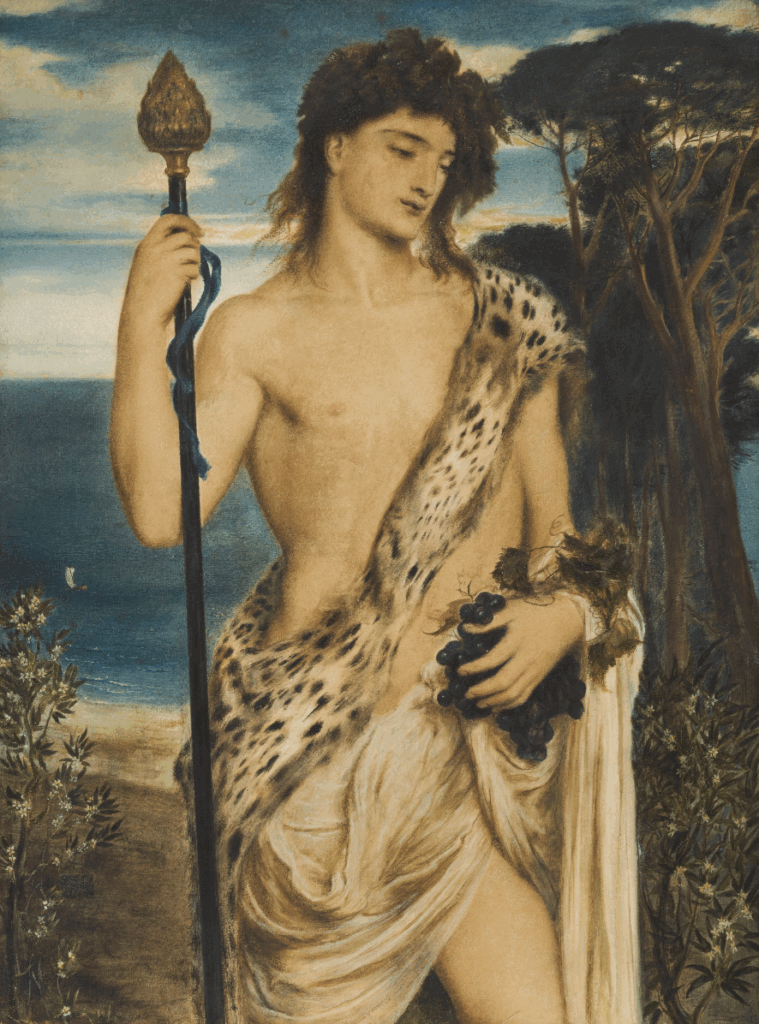
The Pre-Raphaelites in England created visual representations of wine that emphasized its sensual and spiritual dimensions. While Dante Gabriel Rossetti’s poetry explored wine’s ability to blur the boundaries between sacred and profane experience, it was his associate Simeon Solomon who became the movement’s most prominent painter of wine imagery. Solomon created at least three significant “Bacchus” paintings between 1865 and 1867, with his 1867 oil painting becoming one of his most celebrated works. These depicted the Roman wine god as sensual, androgynous figures that challenged Victorian conventions about masculinity and desire.
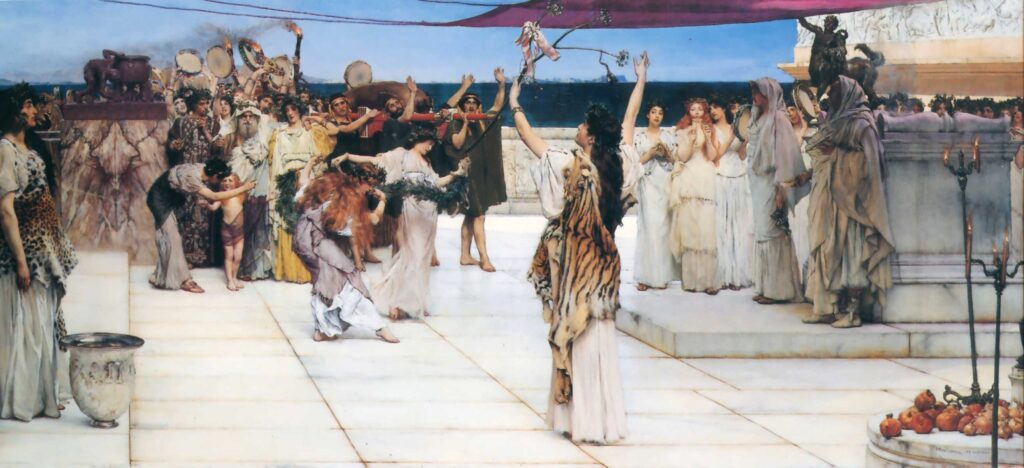
Contemporary Victorian painter Lawrence Alma-Tadema, though not technically Pre-Raphaelite, regularly incorporated wine into his classical scenes. His paintings of Roman banquets, including depictions of Cleopatra dissolving pearls in wine glasses to create the world’s most expensive meal, brought ancient wine culture into Victorian drawing rooms with archaeological precision.
Modern Movements: Wine as Cultural Critique
The 20th century saw wine culture become a vehicle for social and political commentary. Ernest Hemingway’s novels, particularly “The Sun Also Rises,” used wine knowledge as a marker of cultural sophistication and authentic experience. Jake Barnes’s expertise with Spanish wines becomes a way of asserting genuine connection to place and culture in contrast to the superficiality of post-war society.
The existentialists transformed Paris café culture into a laboratory for philosophical exploration. Albert Camus frequented spaces like Café de Flore, deliberately sitting as far from his philosophical rival Jean-Paul Sartre as possible despite their mutual antipathy. At nearby Les Deux Magots, the “hard-drinking, fast-living” Lost Generation writers like Ernest Hemingway gathered alongside Surrealist artists and intellectuals, creating a culture where patrons would spend hours “drinking espresso or sipping wine (depending on the time of day)” while engaging in philosophical discourse. James Baldwin exemplified this fusion of alcohol and creativity, writing much of his 1953 classic Go Tell It On The Mountain while drinking cognac and coffee at Café de Flore.
Victorian wine imagery has experienced a remarkable renaissance in the contemporary art market. Simeon Solomon’s watercolor “Bacchus” sold for £237,500 at Sotheby’s in 2018—nearly four times its estimate—demonstrating renewed appreciation for wine-themed Pre-Raphaelite works.
Contemporary Currents: Wine as Conceptual Art
In the 21st century, wine has evolved beyond traditional representation into conceptual art territory. English artist Sarah Lucas, part of the Young British Artists movement, created “Meinklang Sarah Lucas” (2018) for her “Au Naturel” exhibition at the New Museum in New York. The piece consists of a bottle of Austrian Meinklang Pinot Noir with the artist’s name cut out of cardboard and attached with wire—transforming a $20 bottle of natural wine into contemporary art potentially worth hundreds of thousands of dollars. This work exemplifies how contemporary artists use wine not just as subject matter, but as raw material that questions the nature of artistic value and cultural meaning.
Contemporary Currents: Wine Literature as Genre
Today, wine has evolved into its own literary genre. Authors like Jay McInerney have created sophisticated literary works that use wine expertise as a lens for exploring contemporary culture, relationships, and identity. Wine writing has become a legitimate form of creative nonfiction, with writers like famed wine importer Kermit Lynch creating prose that rivals traditional literary forms in its attention to language, structure, and meaning.
The influence extends beyond explicit wine literature. Contemporary novelists regularly use wine knowledge and wine culture as character development tools, understanding that a character’s relationship to wine reveals deep truths about class, education, taste, and values.
Understanding this hidden history enriches our reading of literature and viewing of art, revealing layers of meaning that connect contemporary creative works to millennia of human expression. Wine’s influence on creativity represents more than mere historical curiosity—it illuminates the deep connections between material culture and artistic imagination that continue to shape how we create and consume art today.