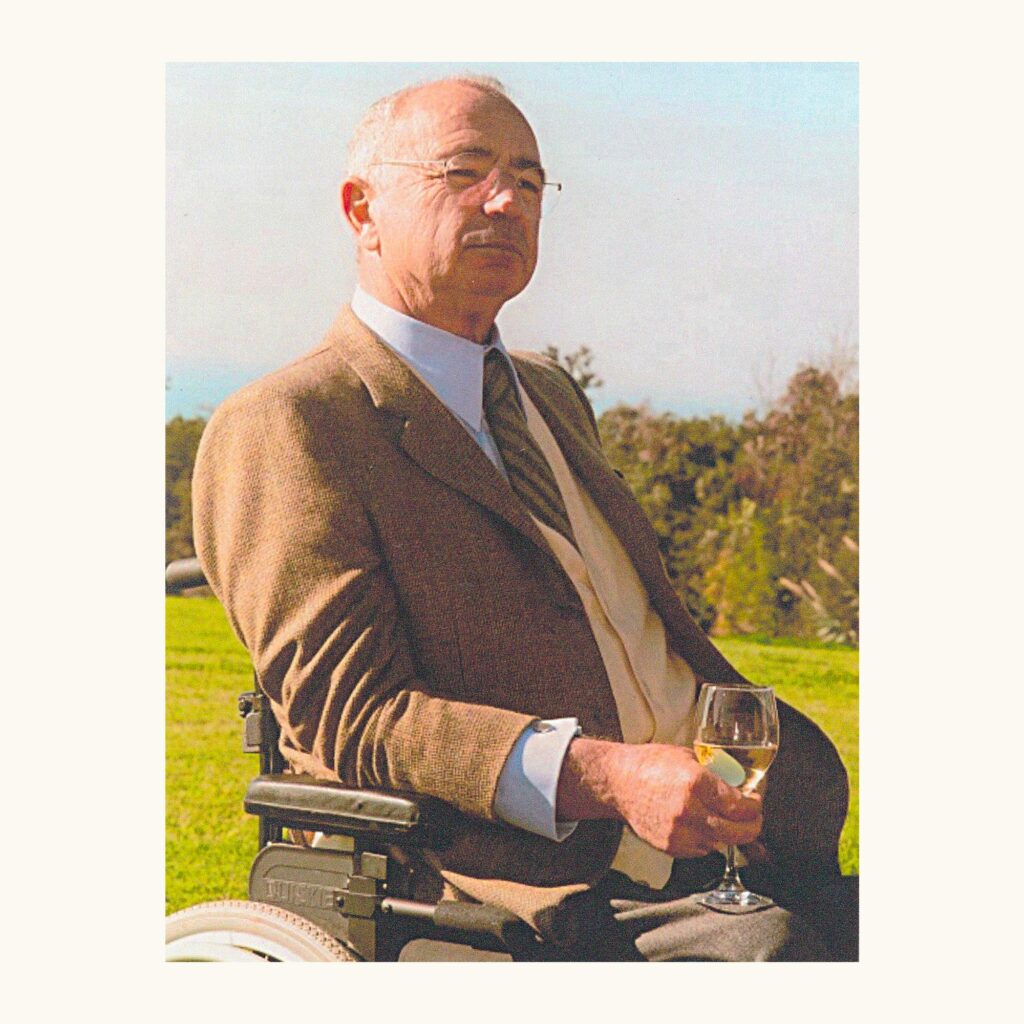
The story of a winery often begins with a powerful figure, one full of character and energy. At Castello del Terriccio, located in Maremma, Tuscany, that figure was Gian Annibale Rossi di Medelana. It was Gian, who inherited the estate from his uncle in 1975, that transformed Terriccio to become part of the Super Tuscan revolution.
But I never met Gian.
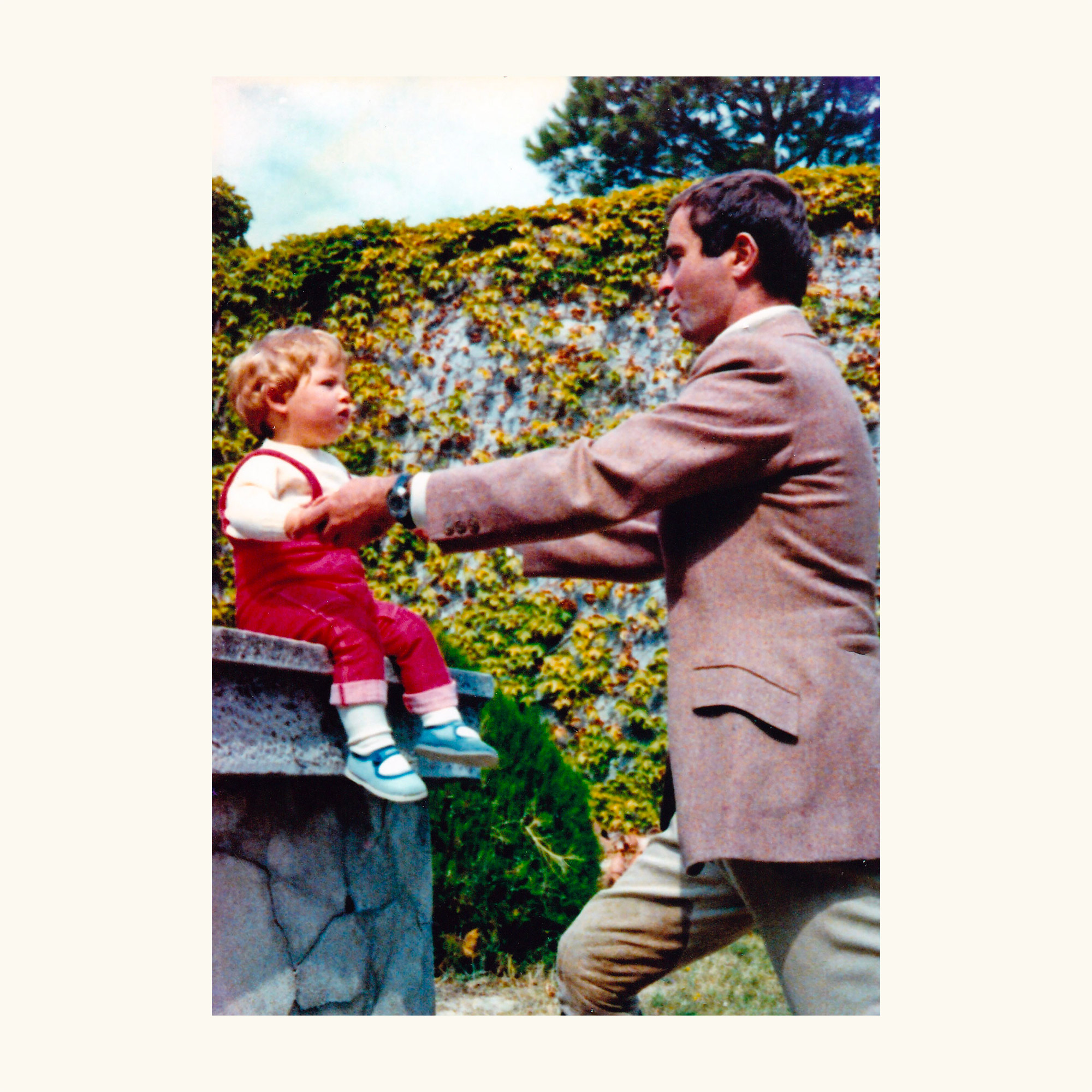
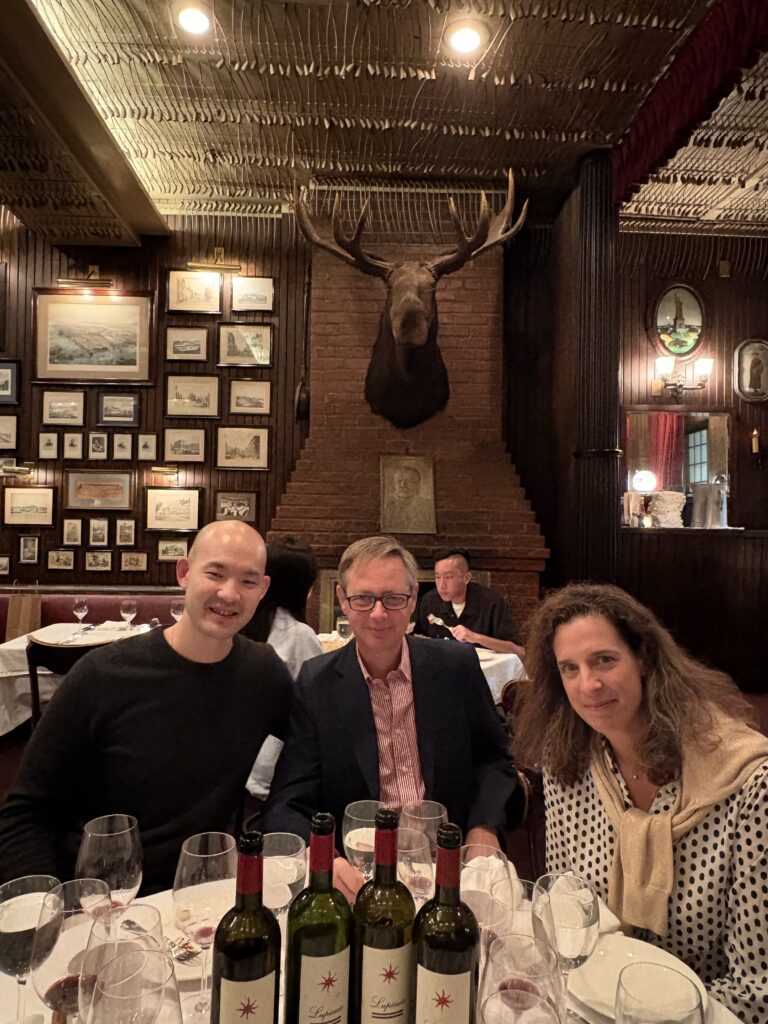
Who I met was Vittorio Piozzo di Rosignano Rossi di Medelana, Gian’s nephew who took over managing the estate after Gian passed away in 2019. A bit shy and reserved, Vittorio seemed to be a very different kind of person from Gian. Vittorio was Gian’s only nephew, and had spent most of his life working in finance and real estate in Milan and Rome prior to taking over. Gian on the other hand, was an avid equestrian and breeder, and as Vittorio puts it, a “…strong-willed man”.
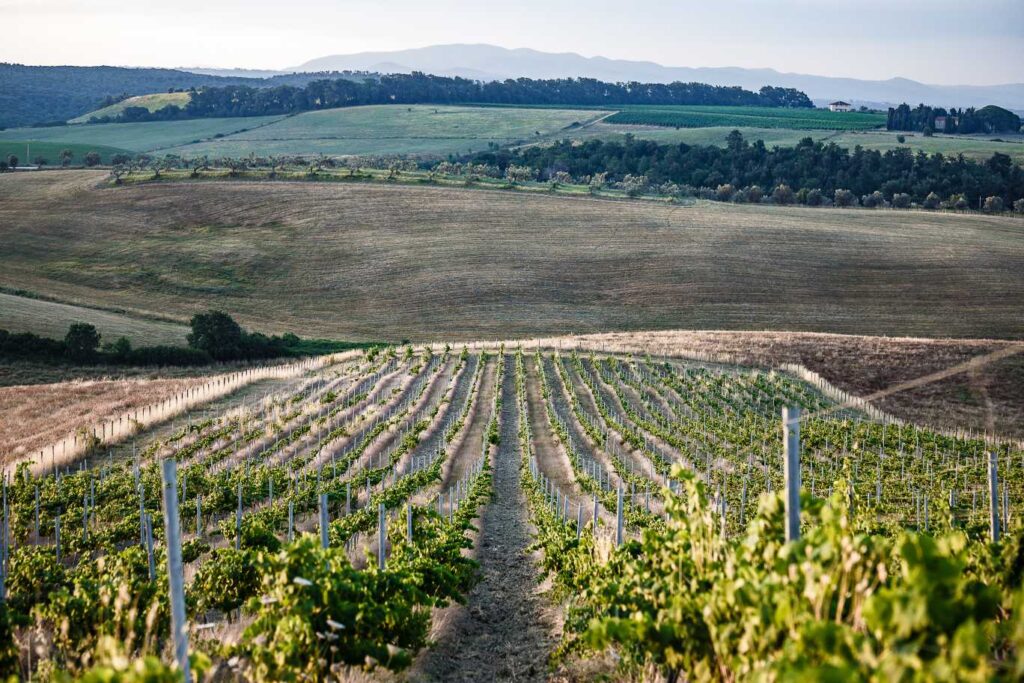
When Gian originally inherited the estate, wine was not a focus. The expansive 1,500 hectare estate, one of the largest in Tuscany, was originally purposed for a mix of agriculture and husbandry, like many of its time. While wine was produced, they were more for the workers’ consumption. But when Gian became confined to a wheelchair after suffering an unfortunate injury, he turned his focus and passion towards improving the wine. With the help of Carlo Ferrini, their consulting winemaker till this day, they planted carefully selected clones of international varietals such as Cabernet Sauvignon, Merlot, Petit Verdot, and Sauvignon Blanc.
The way Vittorio tells it, Gian’s transition towards winemaking sounded almost too easy, with him claiming it was simply because someone had once told him, “The two best things in life are raising horses and producing wine.”
But it must have taken a special personality to be able to overlook his own debilitating injury. And it certainly does feel that way. According to Vittorio, the late Gian managed the estate with an iron fist; it was his decision that mattered. But it was also through his determination that Terriccio would become widely recognized for their flagship wine Lupicaia, an intense and structured blend of Cabernet Sauvignon and Petit Verdot.
And that is why Vittorio never worked with Gian before taking over. Gian didn’t have a wife or have children, and treated Vittorio like his own son, but Vittorio admitted that he felt working together could actually damage their relationship. After all, it isn’t easy working with family no matter how much you love them.
Vittorio credits the estate’s team – some of whom have been working there for three generations – and Carlo Ferrini, for helping him maintain the standard and philosophy of the winemaking set by his uncle. The estate’s flagship wine remains the Lupicaia. The entry level wines Tassinaia (a softer Merlot and Cabernet Sauvignon blend) and the Con Vento (their white blend of Sauvignon Blanc and Viognier), as well as the Terriccio Toscana Rosso (a blend of the various red varieties including Syrah and Petit Verdot), are still there too. These wines continue to be the cornerstone of Terriccio.
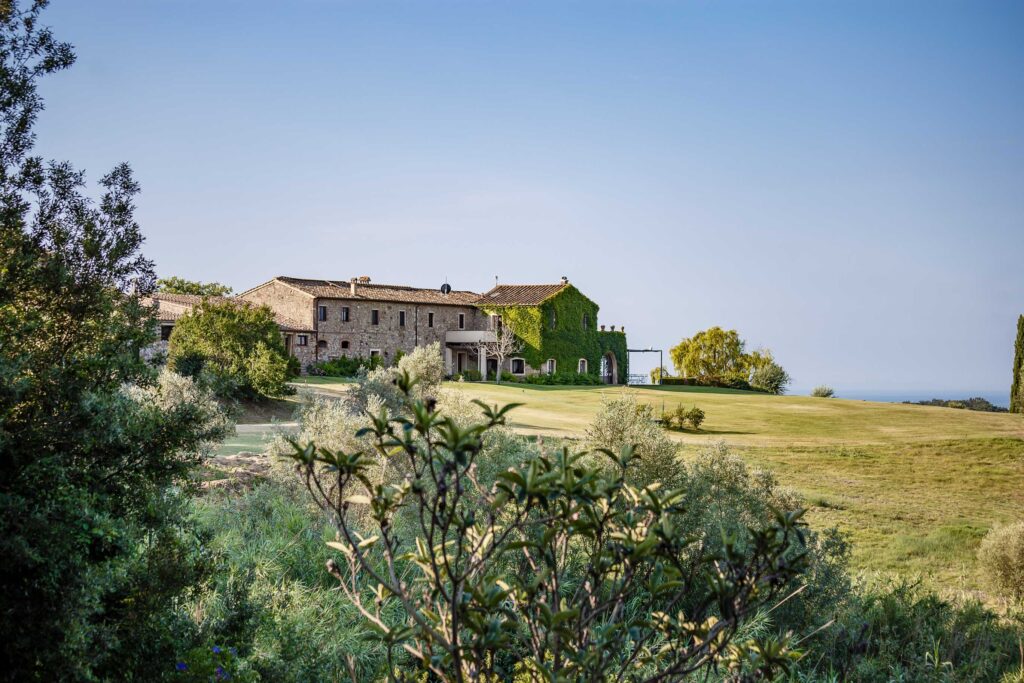
But Vittorio has also started to add his personal touch to the estate as well. The Gian Annibale, their newest wine, is a blend of mostly Petit Verdot (60%) and Cabernet Sauvignon (40%), made in memory of his beloved uncle. He has also led the modernizing of the estate to be more accommodating towards agritourism, building a tasting room to welcome visitors and fans, redeveloping the old guesthouse into a vacation rental (Villa La Marrana) for guests to stay, and opening the Michelin-starred Terraforte restaurant for visitors to dine at.
Terriccio isn’t staying put, it is moving forward. And as the estate moves forward, Vittorio is also reminding us of the man who was responsible for the recognition that Terriccio has achieved.
Wines tasted:
- Con Vento 2024
A blend of Viognier and Sauvignon Blanc, aged for 6 months on the lees before bottling. This is the estate’s only white wine, and is a full bodied aromatic expression, with texture provided by the lees ageing and acidity of the fruit. - Tassinaia 2021
A blend of Cabernet Sauvignon and Merlot, vinified and aged separately in second and third use tonneaux barrels for 16 months, then aged in bottle for 12 months. This is the estate’s introductory red blend that has a touch of softness from the Merlot as well the barrel and bottle ageing, making it a more youthful wine to enjoy sooner. - Lupicaia 2019, 2010, 2004
A blend of Cabernet Sauvignon, Merlot, and Petit Verdot. Vinified and aged separately in new tonneaux barrels for 22 months, then aged in bottle for 12 months. This is the estate’s flagship ‘Super Tuscan’ wine, and has incredible structure and acidity that allow the wine to age extensively while retaining the freshness and elegance from the fruit and herbal notes.