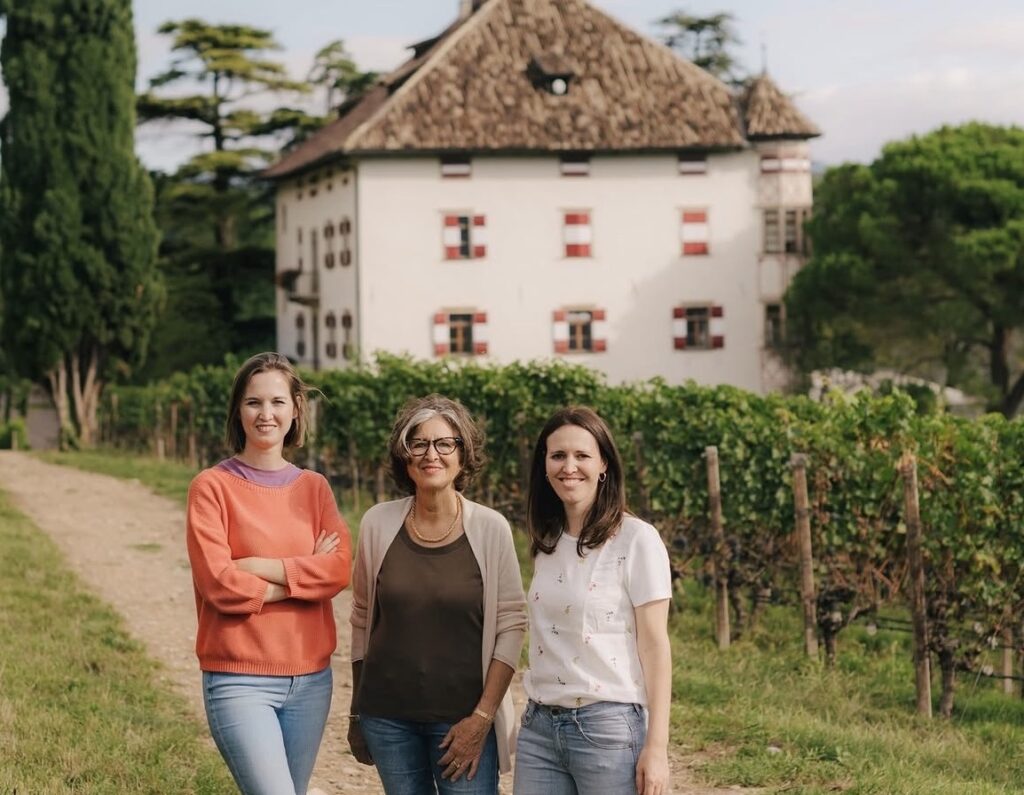
Gaetana Jacono has made it her life’s work to tell the story of Frappato, a light-bodied yet full-flavored red wine produced for centuries in southeastern Sicily. A sixth-generation winemaker at Valle dell’Acate, she’s continuing a family story that began in 1870, shaped by the region’s wines: Vittoria Frappato DOC and Cerasuolo di Vittoria DOCG, the historic blend of Frappato and Nero d’Avola. Jacono speaks with warmth and conviction about her father’s visionary influence, the seven distinct soils in which her grapes grow, and her belief in working with nature rather than against it. Alongside a deep respect for tradition, she’s also looking ahead by exploring new expressions of Frappato, including a sparkling version made using the ancestral method.
Jacono stopped by Grape Collective to talk about the history of her family’s estate, the beauty of Ragusa’s terroir, and the evolution of Sicilian wine.
Lisa Denning: Can you tell me about the history of your winery, Valle dell’Acate?
Gaetana Jacono: Of course. The story of my family began six generations ago, when my ancestors purchased the property in 1870. We are in the province of Ragusa, in Victoria, which is the area of Cerasuolo di Vittoria wine. My family was involved in the wine business, and the first thing they did was sell Frappato to France. That was the primary work at the time, and my family played a very important role in the province’s wine business.
In 1981, my father decided to create a winery, Valle dell’Acate. My father is a visionary with an innovative mind. He wanted to bottle the produce of the valley, which was unusual at the time. And in 1994, I decided to join the winery, despite the fact that he didn’t want me to because, of course, he thought it was very hard work for a woman. But I was already involved because my entire family works in agriculture on the property, and wine was natural to me.
That was the story. I decided to work together with my father, which was not easy. He continued to work in the vineyards, and I worked to promote the wines around the world, because when I started more than 20 years ago in this little part of Sicily, the problem was that nobody came. It was not very well known, and the wine that represented the province was only Cerasuolo. So I felt this part of Sicily was a treasure, and I wanted people to fall in love with its food, wine, and beautiful cities. We have three cities with UNESCO World Heritage status: Modica, Ragusa, and Scicli. It’s a little corner of paradise. My philosophy was in perfect unison with my father’s. We decided to collaborate on two ‘identity’ wines, particularly Frappato. Now my father doesn’t work anymore. He is 90 years old, although he is in very good form and still goes to the vineyards. It’s incredible. I now work fully in both the vineyard and the winery.
What makes the Ragusa area of Sicily so unique and special when it comes to winemaking?
I can say a few things. The province of Ragusa, being a bit too far from other parts of Sicily, has developed a strong sense of independence, and the people who work in agriculture and food have a mentality that they are isolated. This was good because we grew crops very well, partly due to the mild climate. The province of Ragusa is located in southeast Sicily. So when we think about the influence, it is much more Greek than Arabian, which is much more prevalent in western Sicily. Everything in the province of Ragusa is natural, simple, and genuine. Also, the cities and the palaces—we still live there in those old palaces—are perfect with very good energy.
What is your philosophy of viticulture and winemaking?
I grew up in a family involved in agriculture, and the first thing my father taught me was to have respect for nature and to work in harmony with it, not against it. The vineyards are certified organic, and the winery respects a natural way of winemaking. We only use sulfites. If nature decides to send rain, we accept it. In the vineyard, we have many orange trees and a lot of biodiversity, including birds. It’s like a little paradise. That is the philosophy. Another thing my father taught me over the past 20 years is not to lose sight of my main goal: to work on the identity of the grape and the wine. Ask the wine what’s the best it can give to you. Don’t ask anything else. I pay attention to each bottle’s identity, and I never lose focus. Another philosophy for me is the word “continuity.” Continuity, to me, means bringing knowledge from the past into the future through your vision. You need to look back on the past because it teaches us valuable lessons. You cannot just maintain. You change, but you look to the past.
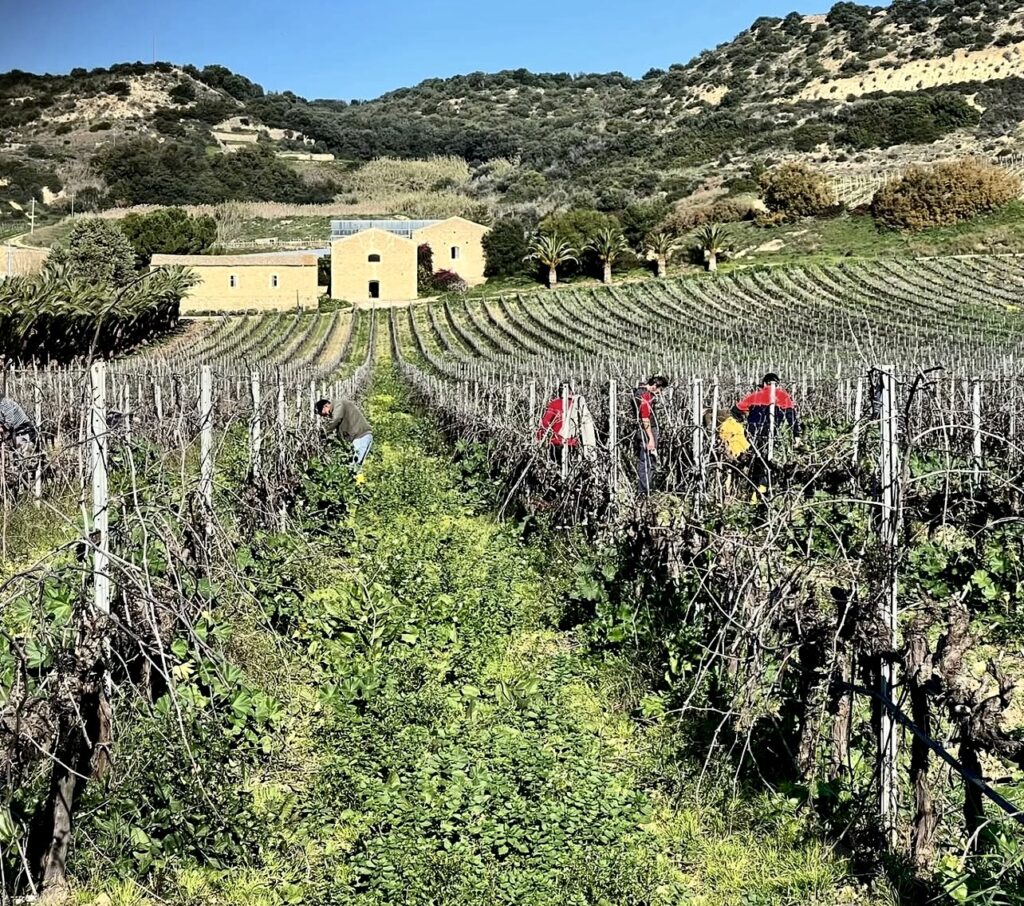
Can you tell me about the terroir of your vineyards, particularly the soils?
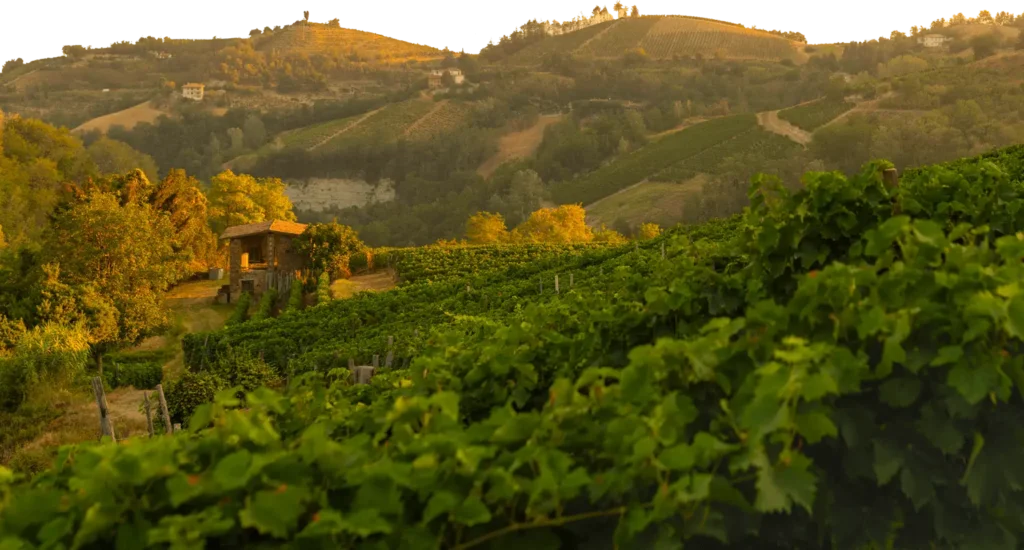
Yes, this is another amazing thing I found in my vineyards. I discovered that in blind tastings, people recognize my bottles, my Vittoria wines. My father replanted the vineyards with specific grapes in specific soils. Before we conducted the analysis, he mentioned that, and when we analyzed the data, we realized we had seven different soils in the vineyards. I consider this a gift from nature, and my father used his experience to replant each grape in the soil it needed. We have a yellow, sandy soil where we make our Grillo. We have clay soil with white stones, which is perfect for Frappato. The soil where my ancestors bought this property is black clay without stones. The soil of the Cerasuolo area is deep red, ideal for Nero d’Avola. So I have seven wines that come exclusively from one specific terroir, and each expresses the grape at its best.
Can you tell me about the grapes you grow and the wines you make from them?
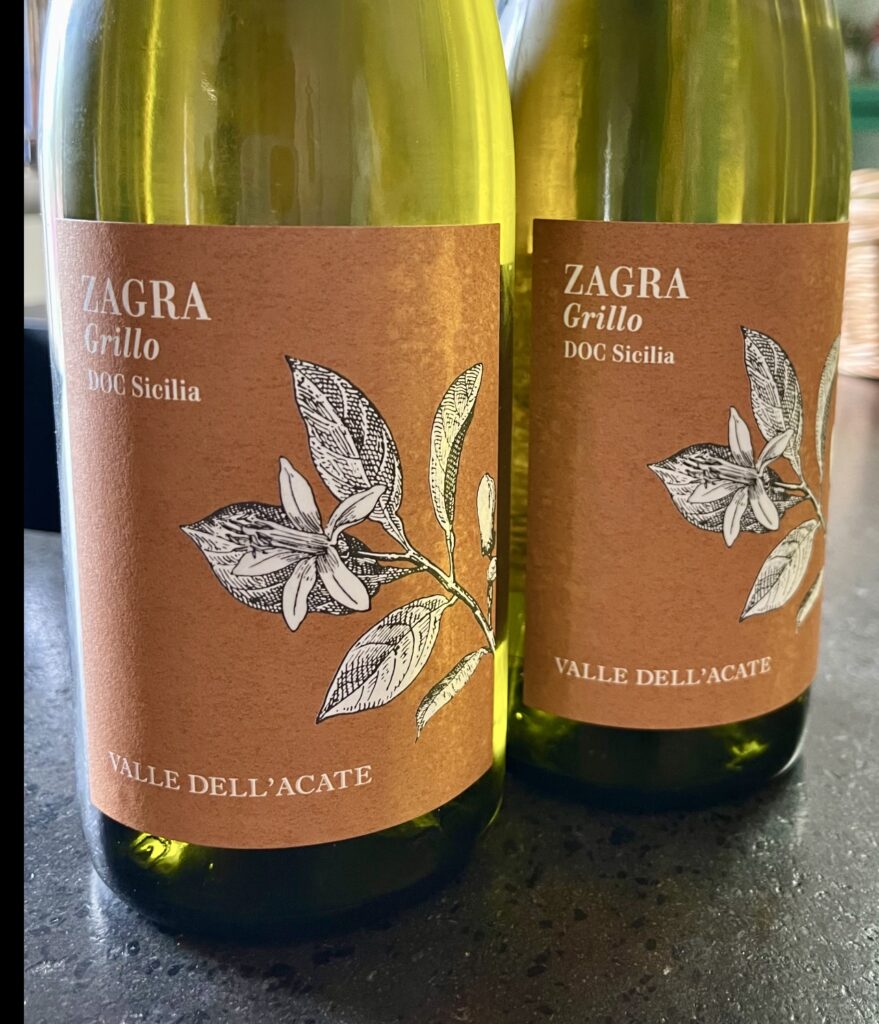
Yes. I can say that my focus for all my life has been Frappato. I don’t forget the DOCG, the Cerasuolo di Vittoria, because it is the only DOCG in Sicily at the moment. I also wanted to have one white wine, and for this white I chose Grillo. The name “Zagra” comes from the white orange blossom. It has great minerality and great acidity thanks to the yellow sandy soil.
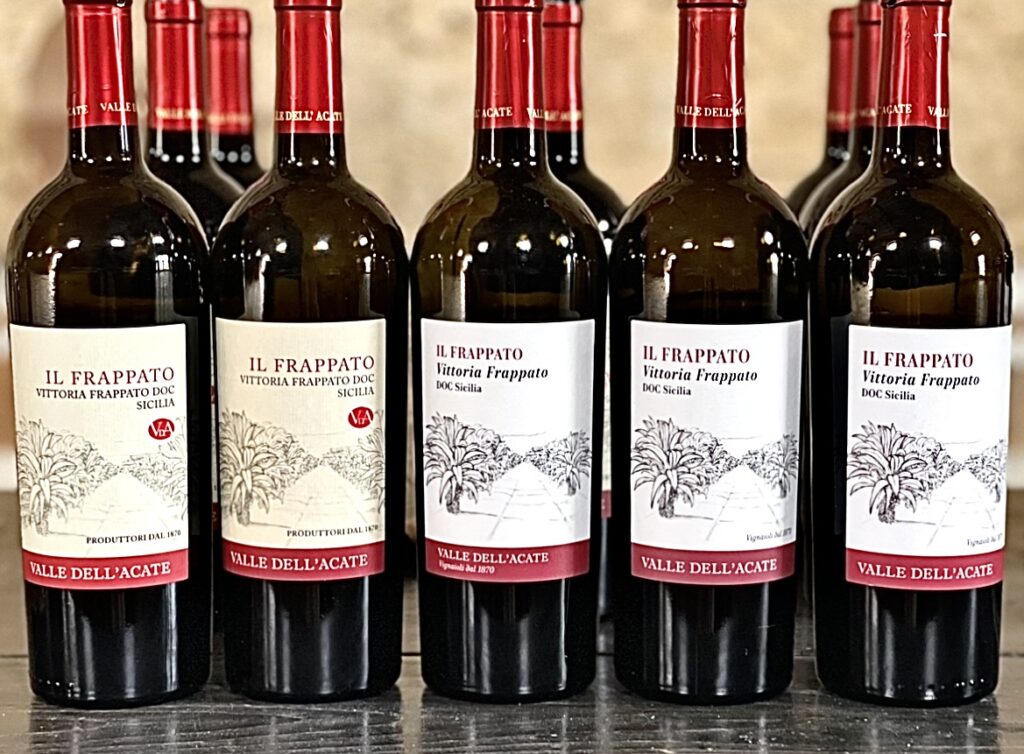
However, my work over the years has been especially focused on Frappato. The Frappato Valle dell’Acate Il Moro comes from black soil with white stones, which provide the roots with good oxygenation. The wine is an explosion of blackberry and strawberry on the nose, and on the palate, it is very floral, with violet and rose. I think Frappato represents all the wines and the typical identity of the Vittoria area where we are. Il Frappato, for me, represents a very modern wine. It’s a light red that you can chill and pair with fish.
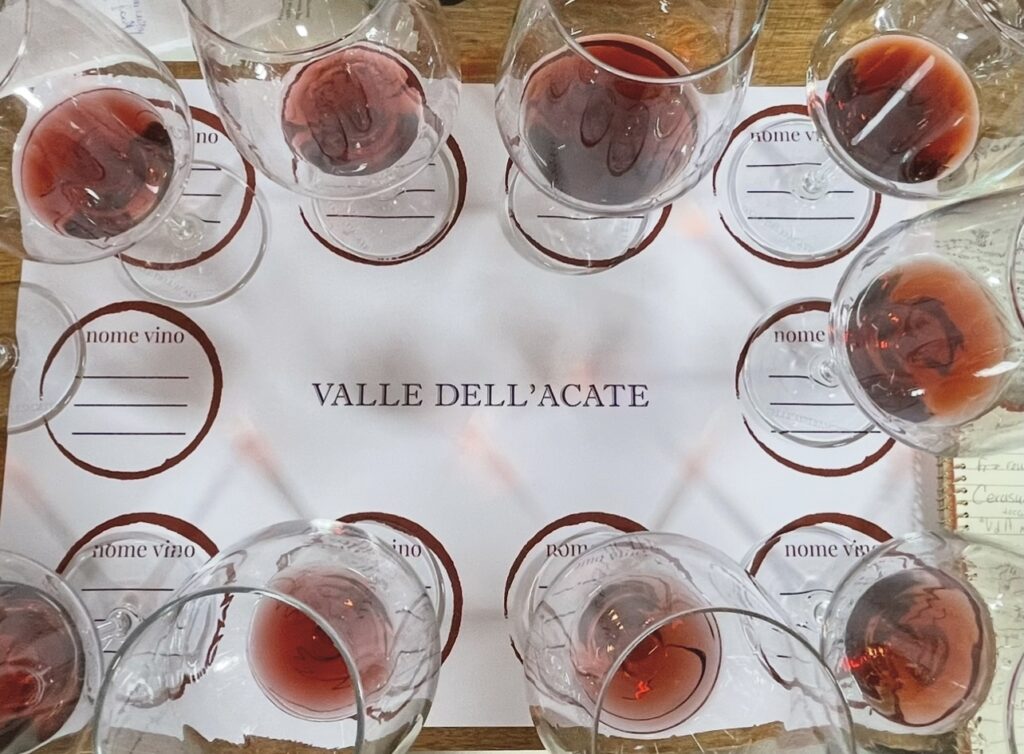
And now there is a new wine that represents me and my road: Frappato Bidis. Bidis comes from a very small vineyard, less than two hectares, where I’m sure they must have been when my parents bought this property. This vineyard is close to the river, and the white stones are much bigger, so the soil is full of nutrients. It is very balanced between the future and the past. The future is represented by Il Frappato, a modern wine, very young and very fresh, a light red. And the past is represented by concentration and complexity. Bidis is very important for me—this is my imprint. It’s also a little tribute, a big tribute actually, to my first ancestor, who bought this property because he was a visionary and believed in this place. This new vintage, 2023, represents my way, my work.
How is climate change affecting your vineyards and your approach to viticulture?
Yes, it’s a very important theme. I am very lucky, and I’ll tell the story in a funny way. Sicilians are all very positive or very negative. There is no middle ground. My father is a great man with vision and innovation, but he’s negative. In my family, they say, “Oh my God, we have no water.” So, before there were lakes, he built an emergency reservoir for emergency water. It’s rare because it’s not very common, so it’s perfect.
I didn’t have a problem with water, but I can say that in respect to climate change and water, all the vines that are arriving now in my winery are much more fragile, much more stressed. I have seen a big difference in water needs and vine health. Also, I think that because Frappato was born in the province of Ragusa, its DNA is in the soil of the area. Nero d’Avola from the province of Ragusa is quite different. It’s not native—it was not born in this province. I think this makes Frappato better, stronger in this respect. Of course, I can say that we cannot cultivate as my father and my grandfather did. Agriculture in general will change. For example, I’m using an irrigation system and working with the university to monitor how much water I need and whether I need water at all. I’m working on some projects with the university in precision agriculture, so I know exactly what I need to do. Everything will change very much in the future.
You’re a woman in a field still dominated by men. How has that shaped your path as a wine producer?
I can say that, at the beginning, it was not easy because men didn’t trust women in the wine business. They were curious. I can say that one thing I have seen in wine, especially in wine, is that women have a great opportunity in the wine business because wine seems to have something in common with the characteristics of women—the passion, the sharing. There are many, many good things, like the balance and the characteristics of women, that make a woman very strong in the wine business.
But I have a father with a very open mind. At the beginning, we had a clear separation: he worked in the vineyards and was number one, so I couldn’t say anything. But there was the identity, and we both worked on the Frappato, we both worked on the property and terroir. All of this was our common point. But we worked separately, and that gave me a great chance to travel around the world to speak about Frappato and tell its story.
Consumers today, especially younger consumers, are drinking differently than in the past. They want fresher wines, lighter reds, orange wines, and lower alcohol. How do you see Valle dell’Acate responding to these shifts in taste?
It’s a very good question. I think we grew up in a wine culture, and for our generation, especially across countries, wine is part of the culture. For Italy, wine is a big part of the culture. Wine for the Italian is normal, it’s natural. The younger generation is less interested in wine, so maybe, I sometimes ask myself, we were not very good at passing on the emotional aspect of wine, and they want to drink differently.
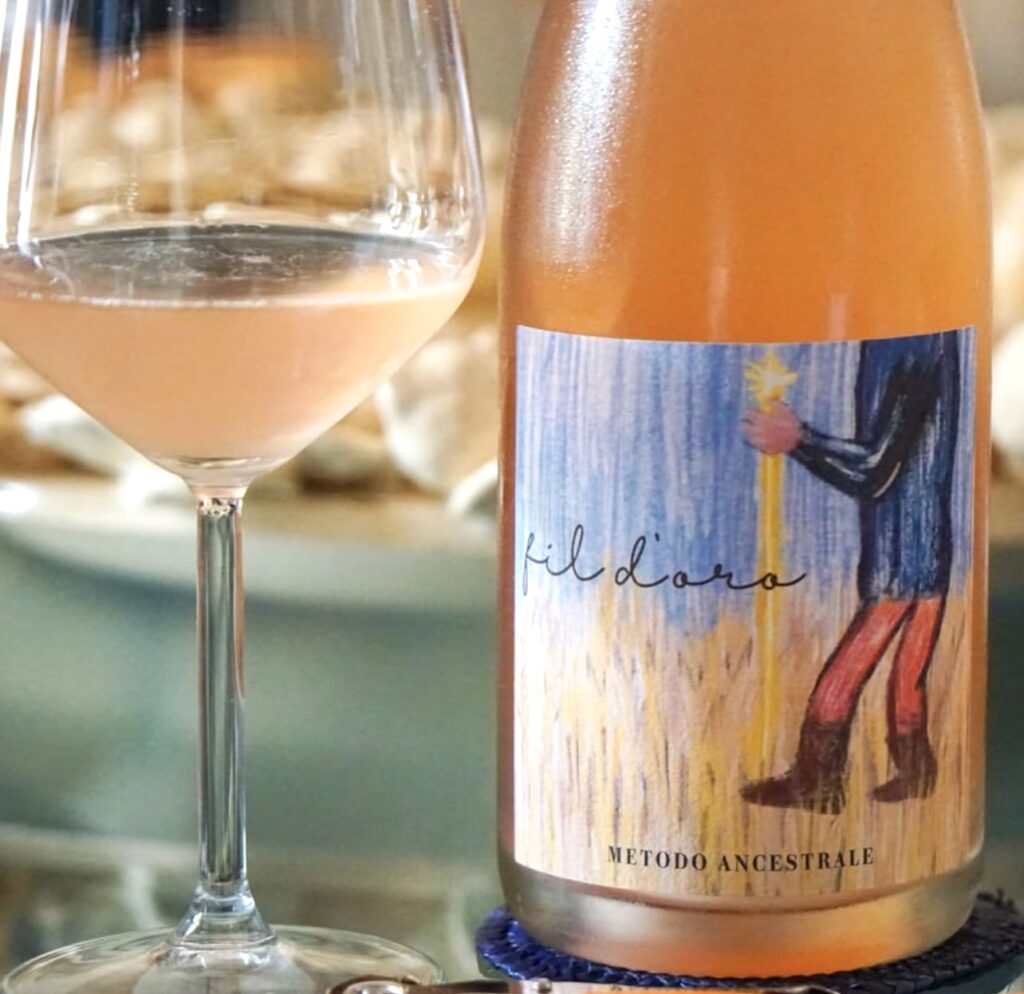
I’m confident that Frappato has a good chance of speaking with them. For that reason, I produced a Frappato sparkling wine in 2024 using the ancestral method. The ancestral method is the old way of making wines. It’s young, not very sparkling, but I thought of giving younger people a wine they can enjoy. It’s a rosé with a more modern label. I’m sure they’ll like it. So I’m confident that this will be a wine for the future and can speak to young people.
How do you see Sicilian wine? How has it evolved, and where do you think it’s at right now in terms of global recognition and appreciation?
It’s a great question. Thank you. I want to remind people that Sicily became very famous when the producers of each region wanted to stay together. At the beginning, under the name Nero d’Avola, we understood that, after the war, we could produce good wines in Sicily. We understood that it was time to separate into different territories and appellations by province—Etna, Marsala, west Sicily, the Aeolian Islands. It was the right time to demonstrate how Sicily can be different and how its wines can be different.
I think the world today has the perception that Sicilian wines are excellent. Of course, they are looking for different types of Sicily now. For us, it is very important to work on the identity of this territory because every territory offers something different, not only in the wine and food, but also in the character of its people and its climate. I think that wine from Sicily is at a good point, and I’m confident that we will be very good at promoting the single territories.