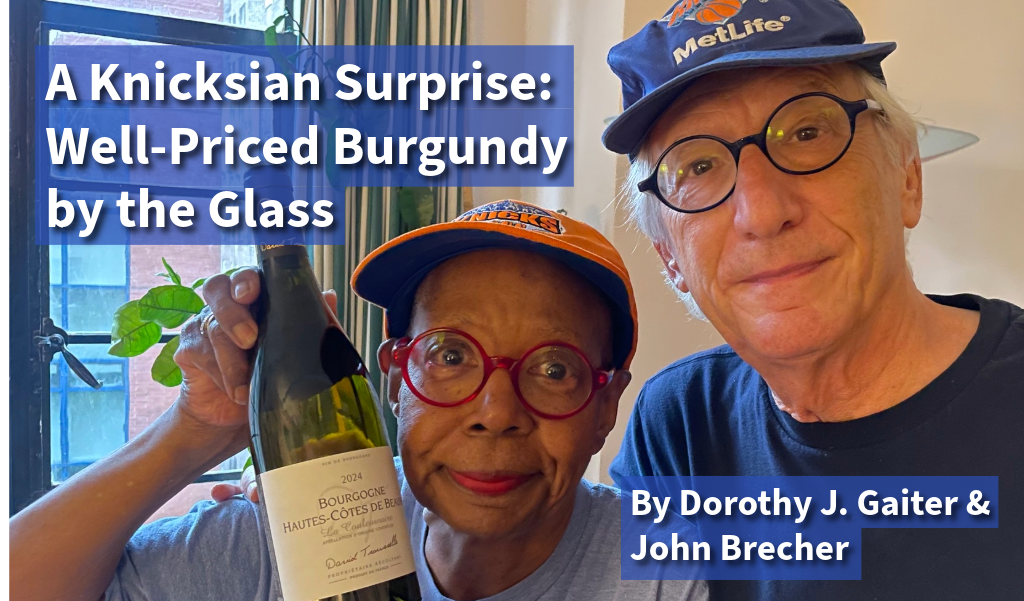
Some restaurants care about their wines by the glass. And there are still some good values in Burgundy. These forces collide only once every 53 years, but when they do, watch out.
We’re only joking about the 53 years, but this column was born of our celebration of our 53rd anniversary, which happened to coincide with the NBA Finals in which the New York Knicks won their first championship in 53 years. Swish! Nothing but net.
We know you are skeptical, just as you might have been skeptical about the Knicks. Probably like you, we rarely order a glass of wine at a restaurant because we have been burned. Too often, restaurants have chosen their wines by the glass carelessly, kept them thoughtlessly — a flagrant foul — and served them inconsiderately in glasses that should be benched because they weigh more than a small child. But a good glass of wine at a restaurant can assist in opening new doors, no matter where you are on your wine journey. This is the story of one glass of wine that shows what’s possible and what should happen far more often at dining spots around the U.S.
We decided to celebrate the anniversary of the day we met at Keens Steakhouse, the New York institution that’s delicious, dynamic and has a generous BYOB policy ($30) for bottles that are not on its own 175-label list. We took a fine red, Cain 2015 Syrah. When we bring our own wine, it’s a nice gesture to order a glass of wine from the restaurant. It’s respectful, a sign of good faith, and also helps us set our own pace.
We looked at Keens’ list of 12 wines by the glass, an interesting lineup, and spotted a Burgundy we had never seen before: David Trousselle Hautes-Côtes de Beaune “La Couleuvraire” 2024. It was $16, which seems like a common price these days for a cocktail or a glass of wine at a New York restaurant. The only thing we knew about this wine was that we knew little about it. If we’d been aware that only about 300 cases were made and only around half reached the U.S., we would have been even more intrigued.
It wowed us. Made from Chardonnay, it had a sense of earth and minerals, fine acidity, taut citrus and not even a hint of too much oak. It was so good that when we got home, we found it at a local wine store and ordered several bottles for $34.60 each. We had one right away to make sure it wasn’t the experience talking and it was just as good.
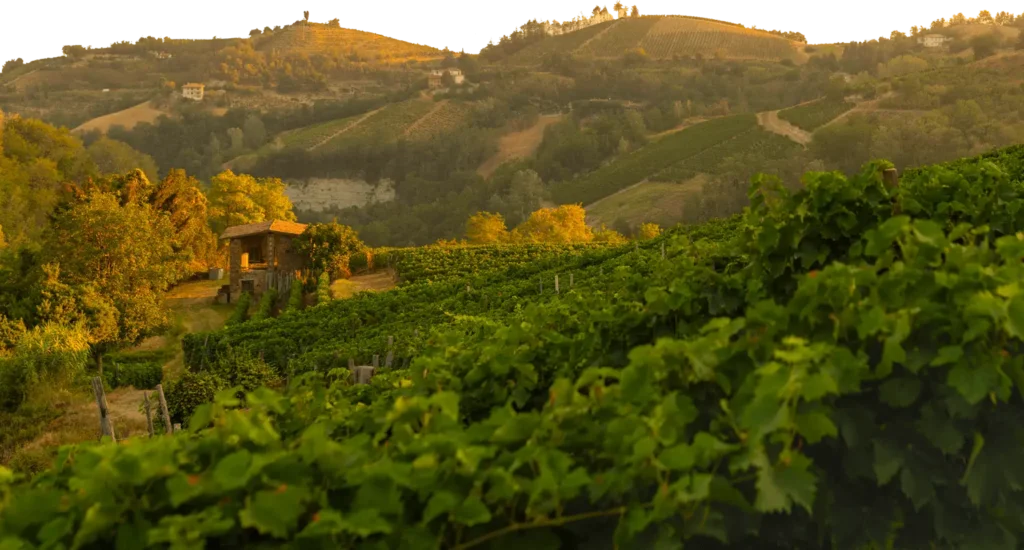
The wine was imported by Polaner Selections, a name we have come to trust over the years. We got in touch with its French portfolio manager, Whitney Schubert, to ask how this wine ended up in our glass at Keens. She said that Hautes-Côtes de Beaune is a lesser-known region of Burgundy that’s gaining traction because young winemakers have discovered its potential and are bringing new ideas and new energy. In addition, she said, global warming is making other Burgundy produces take a new look at this higher-elevation region, where grapes used to struggle to ripen. Trousselle is one of those young winemakers and Schubert said of him: “I think he feels really lucky to be in a place that was once on the margins that is now in this sweet spot for making cool-climate Pinot Noir and Chardonnay.”
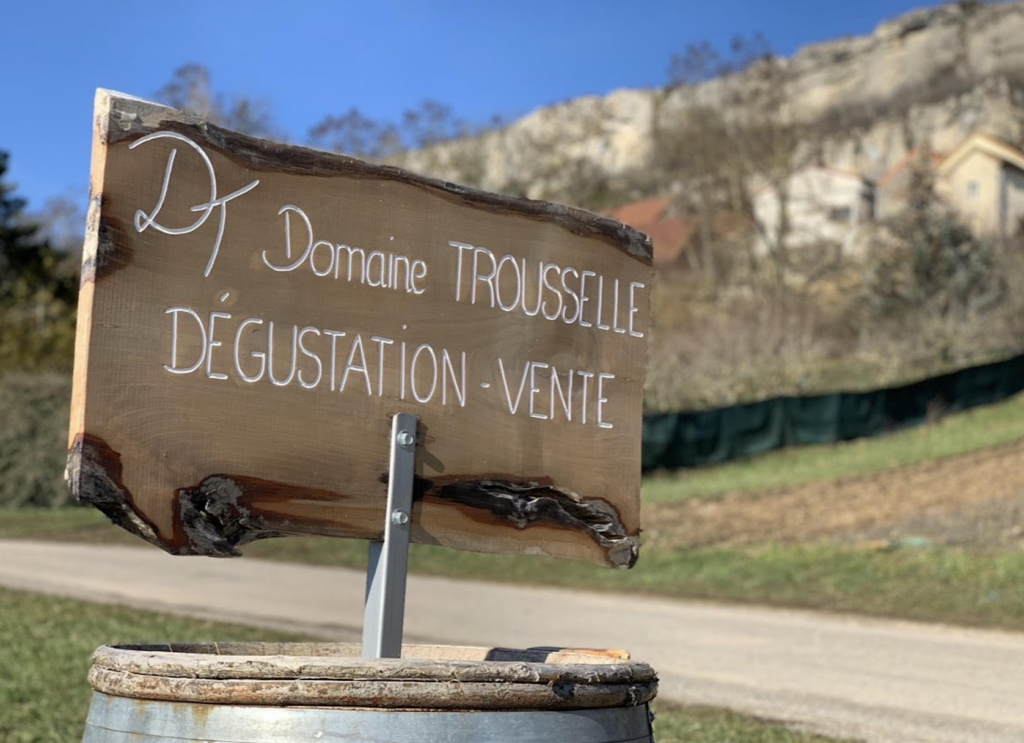
David Trousselle makes a total of about 1,600 cases and, in an email, said “La Couleuvraire” was special to him. “It was the first plot I purchased when I started out 10 years ago, so I pinned a lot of hopes on it,” he wrote. “The plot is adjacent to the winery and the family home; beyond its terroir and exposure, it holds a special personal significance for me.”
Schubert said the suggested retail price is just about what we paid at the store. As Burgundies go, it’s a bargain because the region is still not widely known. “While I very much share people’s frustrations in Burgundy and so many other things becoming more and more expensive, value Burgundy absolutely still exists,” she said. “You just have to go hunting and find it.”
So how did this end up on Keens’ list? “It’s easy to bring wines in and just sell them to anybody,” she said. “And obviously getting a by-the-glass for someone is a great kind of win… But we are really spending a lot of time and are very intentional about trying to place wines in accounts that feel kind of like a good match or like-minded or have a similar ethos.”
That’s where James Conley comes in. He’s the wine director of Keens. He has been there for 26 years and is one of New York’s most thoughtful wine people.

“I’m a big believer that I need to taste,” he told us. “So I go to office tastings, I go to portfolio tastings, I take meeting with vendors….I saw that this wine represented something very exciting and I thought it aligned with my values and was a good price, relatively speaking, in this time when there is so much pressure on wine prices.”
In what way did it align with his values, we asked.
“Well, this is a small producer. This is somebody who is working organically in the vineyards and not really going after a big wood profile or going after something that’s just begging for attention or begging for points, but rather a wine that really emphasizes the integrity of the fruit from a real place.”
Mirroring what Schubert said, Conley added: “When we’re talking about Hautes-Côtes de Beaune, this is an area where there’s been tremendous effort made to upgrade the quality of the wines over the years where they were sort of like the rustic afterthought to the real heart of the Côte d’Or. Now, increasingly, people say, ‘Hey, you know what? Maybe it’s gotten a little bit warmer.’ Some younger minds have moved in with a real devotion to quality and sort of contemporary agricultural viticultural practices.
“And now we’re getting wines from these little regions that are right up there in terms of the intrigue they offer, in terms of the harmony in the glass. Real wines of quality come from smaller appellations, whereas I think it was harder to find that years back… I think the little guys, they’re still scrapping and it makes the wine more appealing for me.”

Conley bought five cases of the wine and he is down to the last bottles.
We asked if he had just one piece of advice to give to a restaurant trying to offer good wines by the glass, what would that be? “Taste as much as you can. I mean, that’s really it,” he responded.
Restaurants should give at least as much thought to their wines by the glass as they give to their meat and seafood and vegetables. Over years of dining out, we’ve come up with a few ways to quickly decide if ordering a glass of wine might be a good idea. As you will see, these don’t require deep knowledge of wine or even saying a word:
1) As you walk to your table, glance around and see if there’s wine on the tables, by the bottle or by the glass. If not, that could be a sign that diners don’t find the wine list or the prices attractive. It likely also means that the restaurant does not sell much wine by the glass, so what you order may have been opened during the Obama administration.
2) Also, while you are walking to the table, note if there is an old-fashioned chalk board with some wines listed. This usually makes us smile because it might mean the restaurant enjoys selling wine by the glass and probably sells more of it, which means it’s more likely to be freshly opened.
3) When the server hands you the by-the-glass list, is it just generic, like “Chardonnay” or “Pinot Grigio”? Not a good sign. We have occasionally asked our server what the Chardonnay is, more specifically, and generally get a response like “California.” Air ball.
4) If the list is more detailed than that, simply look for something new to you. This is a chance to take a little bit of a risk on something different without the commitment and cost of a whole bottle.
5) And, of course, price matters, not just because it’s money out of your pocket, but because a well-priced wine is a signal from the restaurant that it wants you to experience the joy of wine with your meal. And that’s a slam-dunk.
Dorothy J. Gaiter and John Brecher conceived and wrote The Wall Street Journal’s wine column, “Tastings,” from 1998 to 2010. Dorothy and John have been tasting and studying wine since 1973. In 2020, the University of California at Davis added their papers to the Warren Winiarski Wine Writers Collection in its library, which also includes the work of Hugh Johnson and Jancis Robinson. Dottie has had a distinguished career in journalism as a reporter, editor, columnist and editorial writer at The Miami Herald, The New York Times, and at The Journal. John was Page One Editor of The Journal, City Editor of The Miami Herald and a senior editor at Bloomberg News. They are well-known from their books and many television appearances, especially on Martha Stewart’s show, and as the creators of the annual, international “Open That Bottle Night” celebration of wine and friendship. The first bottle they shared was André Cold Duck. They have two daughters.