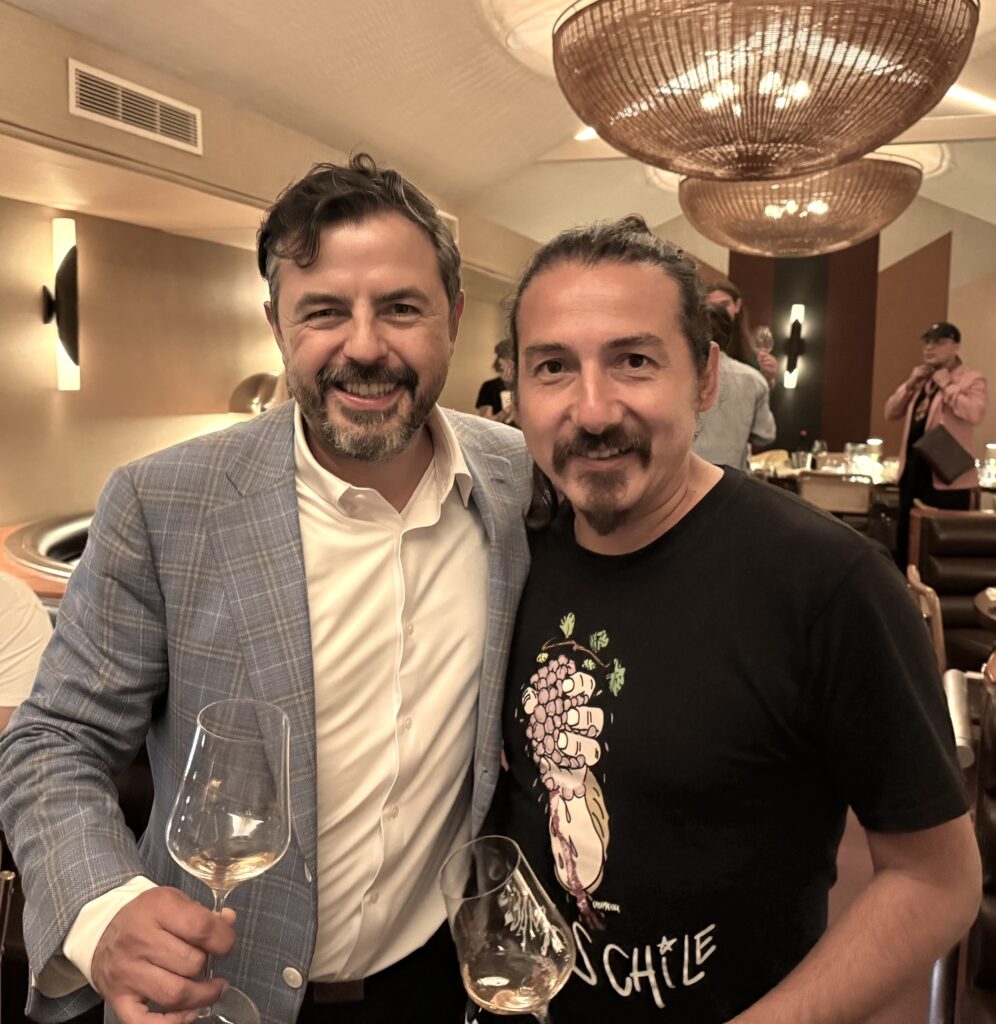
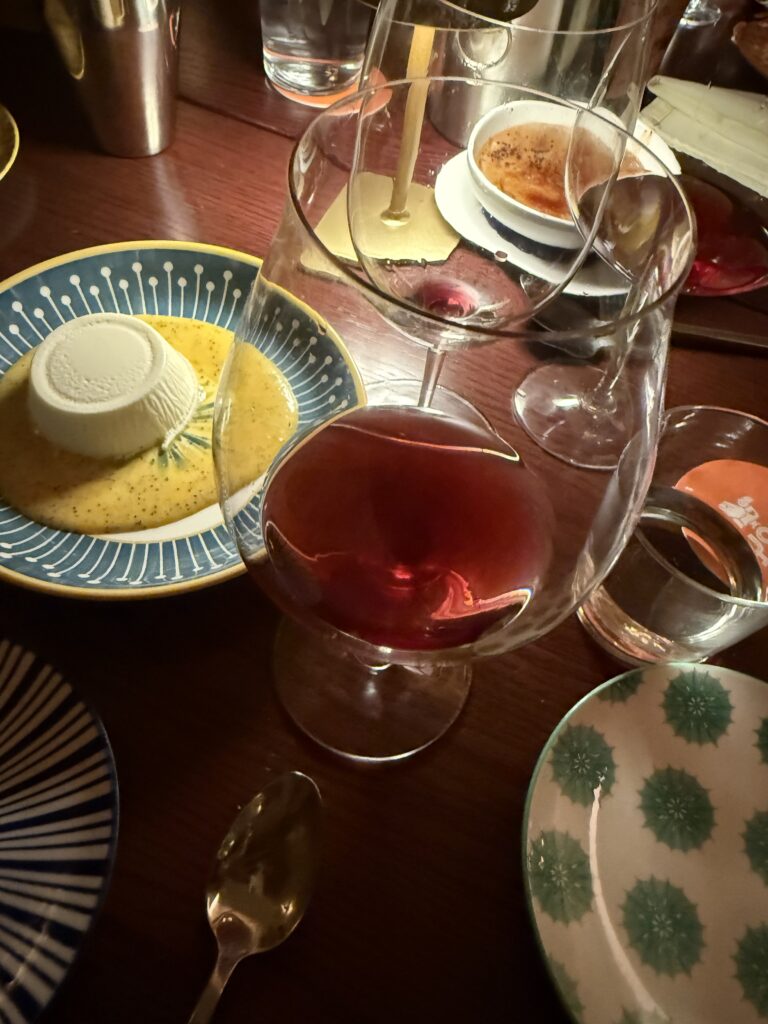
We met Chilean winemaker Roberto Henríquez at Nuyores restaurant in the West Village. The evening was a trade dinner where his wines from Bío-Bío in the far south of Chile were paired with Peruvian cuisine by Chef Oscar Lorenzzi. Sémillon and Chasselas (Corinto) accompanied ceviche and octopus, while an extremely bright and linear País was paired with crispy duck leg. The wines, food, and Roberto’s descriptions transported us to southern Chile, where it was easy to imagine walking through vineyards of gnarly, ancient bush vines—80 to 250 years old.
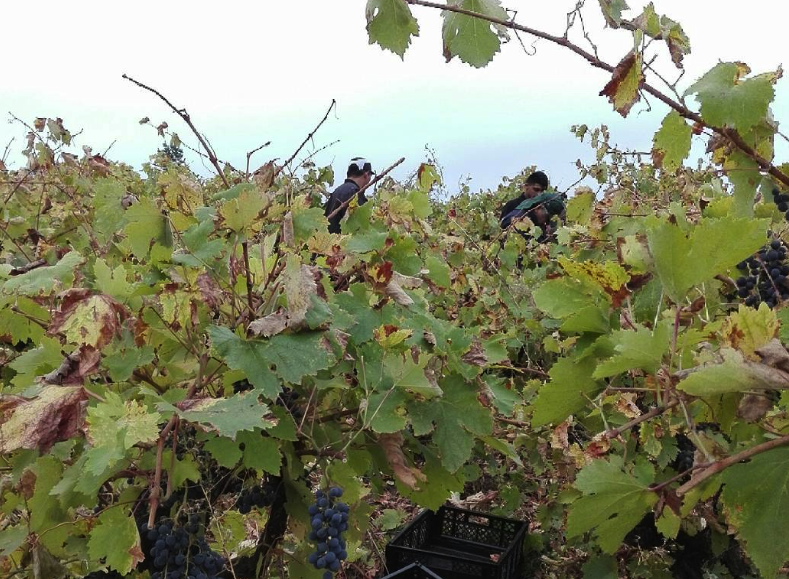
Henríquez grew up in Concepción, the principal city of the Bío-Bío region, inspired at an early age by an uncle who made wine on a small scale in the nearby Itata Valley. Bío-Bío is one of Chile’s southernmost wine regions, stretching inland from the Pacific coast toward the foothills of the Nahuelbuta Coastal Range, with the great Bío-Bío River threading through its heart. The region sits at roughly 37 degrees south latitude, the equivalent of central Spain or northern California, but its maritime influence gives it a cooler, damper character than those comparisons might suggest. Coastal fog rolls in from the Pacific, tempering summer heat and preserving the natural acidity that makes the wines so distinctive. The soils are predominantly ancient granite, broken down over millennia into pink and red sandy loam, well-drained and low in fertility. It is this hardship that gives the old bush vines their concentration and character. Pockets of alluvial soils closer to the riverbed, and patches of clay on certain hillside sites, add further complexity to the tapestry of soils, lending softer textures and a different kind of elegance to the wines. Because Chile was spared the phylloxera epidemic that devastated European vineyards in the nineteenth century, Bío-Bío’s vines remain ungrafted, their roots in direct, unbroken contact with these ancient soils, some of them for more than two hundred years.
Henríquez trained as an agronomist and enologist, then worked for large commercial wineries in Chile, South Africa, and Canada, gaining technical expertise while slowly growing disillusioned with the industrial wine model: the scale of intervention, the chemicals, the homogeneity. Returning to Chile, he spent formative time alongside Louis-Antoine Luyt, the Frenchman whose love affair with southern Chilean wine had begun to shift perceptions within the wine world. From there, Roberto went to France to deepen his understanding of a different kind of winemaking, working with producers including René Mosse in the Loire Valley and absorbing a philosophy of minimal intervention, authentic expression, respect for place, and biodynamic practices.
He returned to Chile, aged 29, wanting to rediscover lost traditions. He told Grape Collective: “I have been influenced by the traditional viticulture from the farmers from Chile. And I have been inspired by the work of our own ancestors. This is what informs my work.” The tradition he set about honoring is one of the oldest in the Americas. When Spanish missionaries introduced vines to Chile more than four centuries ago, the grape they brought—País, likely descended from the Listán Prieto of the Canary Islands—became the foundation of Chilean wine culture for more than three hundred years. The traditional way of making it had its own name and identity: pipeño, a word referring to wine aged in a pipa, a large vessel made from native raulí beech wood. The production process was labor-intensive and entirely hands-on. Pipeño was wine of and for the people.
During the nineteenth century the Chilean social elite visited Europe and came back with a taste for French varietals, which were then planted in the central regions near the capital, Santiago. By the mid-twentieth century, País had become neglected. Under the dictator Augusto Pinochet (1973-1990), farmland was seized and thousands of acres of vines were torn out and replaced with eucalyptus and pine plantations serving the paper industry, further reducing País vineyards.
Henríquez opened his winery in 2015, working with ungrafted bush vines, some of them two centuries old, on granitic and sandy soils in the coastal range of Bío-Bío and in the nearby Itata Valley. Because Chile was spared the phylloxera louse that devastated vineyards across Europe in the late nineteenth century, those ancient vines are own-rooted, in direct contact with the soils in which they have grown for generations (today Chile still enforces strict agricultural controls and its border enforcement is incredibly rigorous). Henríquez manages all the farming organically. In the cellar, he focuses on respecting tradition: fermentation in tank with indigenous yeasts, skins included, no pump-overs, pressing once fermentation completes. No temperature control. No industrial tools. When asked how he treats his soils, his answer is simple: “We do everything by hand.”
Henríquez’s range of wines reflects the full breadth of the region’s heritage. His red wines include single-vineyard País bottlings ranging from Rivera del Notro, sourced from alluvial soils and 200-year-old vines growing just 800 metres from the Bío-Bío River, to Santa Cruz de Coya from the foothills of the Nahuelbuta Coastal Range. Aged in old oak barrels, these wines possess a wildflower and bright red fruit character that announces País as a serious wine—and a gastronomic one at that. The whites draw on Itata’s heritage: Sémillon, Moscatel, and Corinto—the local name for Switzerland’s standard-bearer grape, Chasselas—all from vines a century old or more, and fermented with native yeasts.