Sabatino is a young man. Or at least, he is so full of energy that you can mistake him for someone half his age.
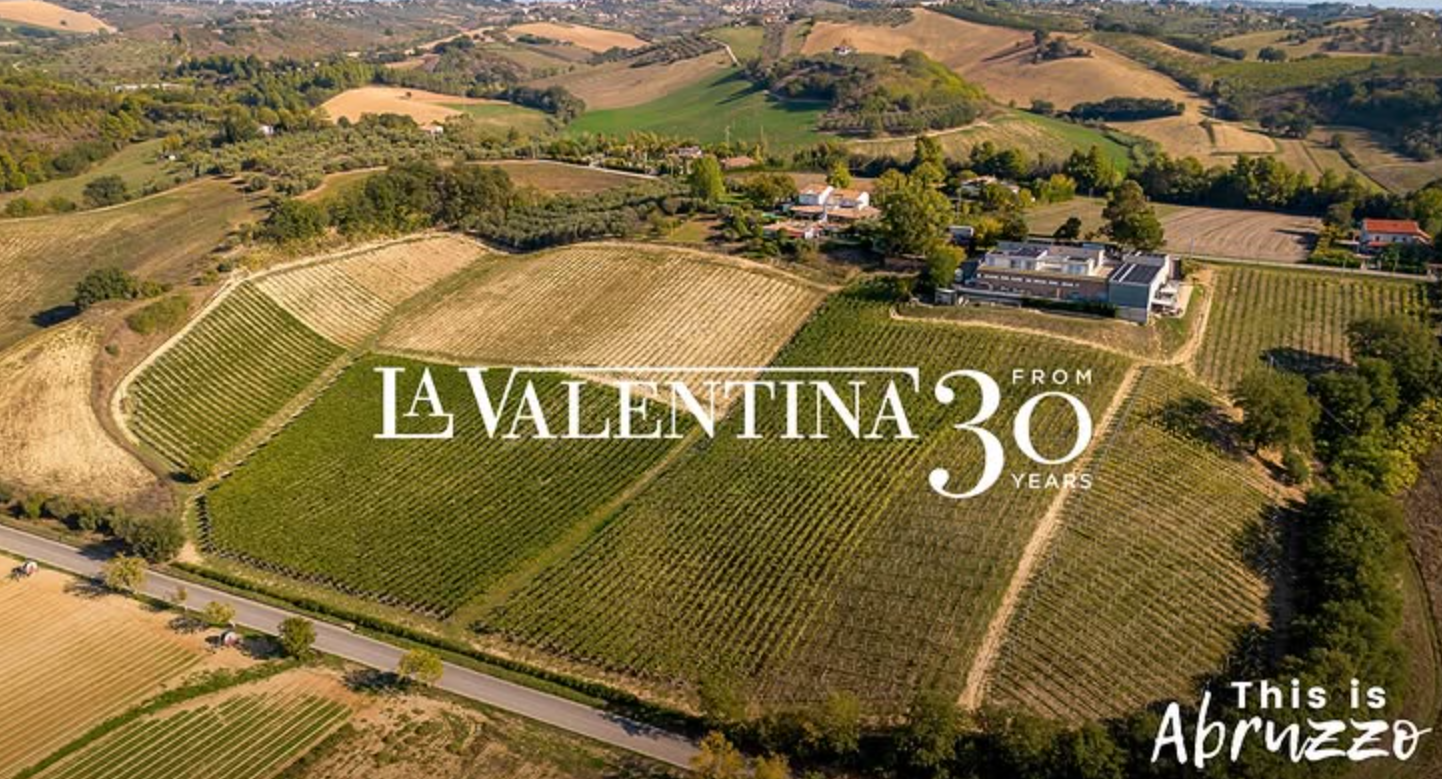
The truth is, Sabatino has been co-owner and winemaker of La Valentina since 1994. Located near the coastal city of Pescara in Abruzzo, where the region is known more for its affordable but mediocre wines and large cooperatives, he and La Valentina are part of the generation of producers propelling the region’s reputation and credibility for premium wines. But that wasn’t the goal of La Valentina or Sabatino. As one of the 120 or so independent wine producers (according to Sabatino) in Abruzzo, the goal was quite simple, “…to make the best quality wine we could.”
Cynics out there may sneer at that statement. After all, there are too many wineries out there claiming to be biodynamic or natural, but are really just producing unbalanced faulty wines. But Sabatino’s approach isn’t to please the market. For over 30 years, they have been committed to the craft of farming the vines sustainably, harvesting the grapes meticulously, and vinifying the wines carefully, before the word ‘sustainable’ or ‘biodynamic’ was even part of the wine lexicon.
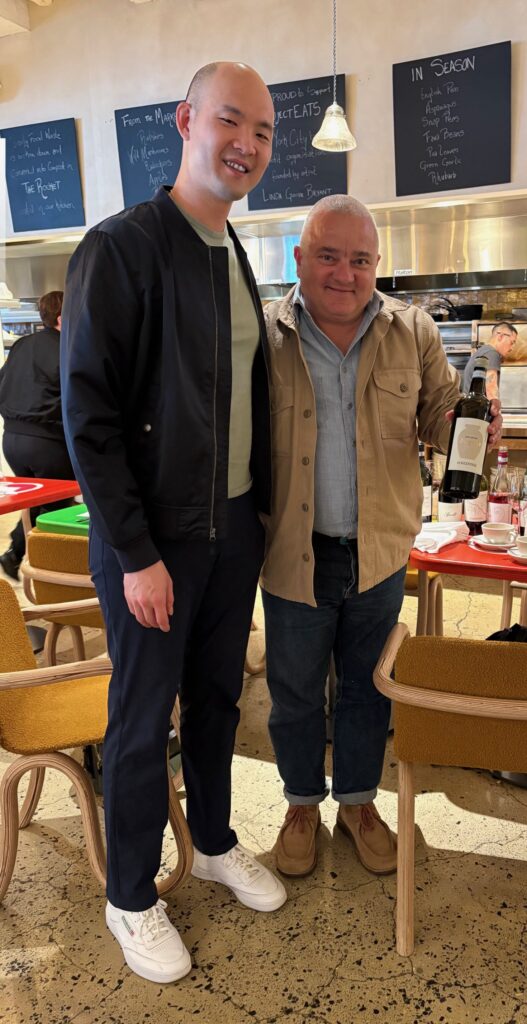
Sabatino is also humble enough to recognize the limits of his own experience. With over 30 vintages under his belt, it may be bizarre to think he can still take lessons away from other people. But it makes sense, Sabatino only gets to make wine at La Valentina once a year, while a consulting winemaker can “…do 20 harvests each year, 20 vinification each year, 20 refinements each year.” This is why his partnership with Luca D’Attomam that started in 1998 continues to this day. With 30 plus years of working with renowned estates across Italy, Luca provides Sabatino with a reference of how different growing or winemaking variables can affect the wines from La Valentina.
To Sabatino, it is about his inner scorecard. He speaks with incredible pride for their region, their history, and their grape varieties. He believes strongly that his approach of picking at the right maturity creates wines that reflect the potential of Abruzzo. The label could say 15% ABV, or it could say 12% ABV, but his focus is on the balance of the wines.
As he would sum it up, “…this is a pursuit to make a style of Montelpulciano that is as expressive as possible.”
Wines tasted:
- Pecorino Terre D’Abruzzo 2024
From 100% Pecorino grapes, pressed and vinified in stainless steel tank. Has several months of lees aging before bottling. - Cerasuolo D’Abruzzo DOC 2024
From 100% Montepulciano grapes. Vinified and aged in stainless steel tank, 18 hours of skin contact. - Montepulciano D’Abruzzo DOC 2022
From 100% Montepulciano grapes. Vinified in stainless steel tank, 10 days of skin maceration. Aged 80% in stainless steel tank, and 20% in 25hL Slavonian oak and second-use barrique barrels for 18 months. - Montepulciano D’Abruzzo DOC Riserva Spelt 2020
From 100% Montepulciano grapes. Vinified in stainless steel tank, 20 days of skin maceration. Aged in 25hL Slavonian oak, second-use barrique barrels, and concrete vats for 18 months. Aged an additional 12 months in bottle before releasing. - Bellovedere Montepulciano D’Abruzzo DOC 2020
From 100% Montepulciano grapes from a single vineyard. Vinified in Slavonian oak vats, 30 days of skin maceration. Aged in Slavonian oak vats, concrete vats, and tonneaux barrels for 18 months. Aged an additional 12 months in bottle before releasing. Only made in years when the conditions are good. - Docheio Montepulciano D’Abruzzo DOC 2021
From 100% Montepulciano grapes from 50-year-old vines. Whole berries and partial whole clusters that are vinified in terracotta jars, five months of skin maceration. Aged for six months in terracotta jars after racking, and aged an additional 15 months in bottle before releasing.
For more information on Abruzzo, check out my colleague Lisa’s article introducing the region.