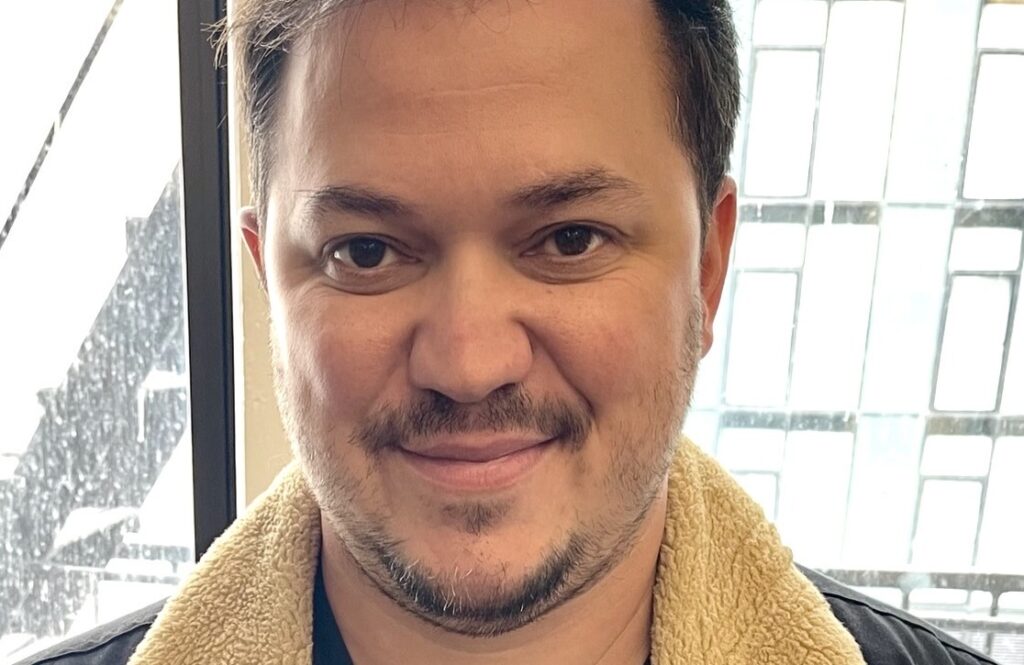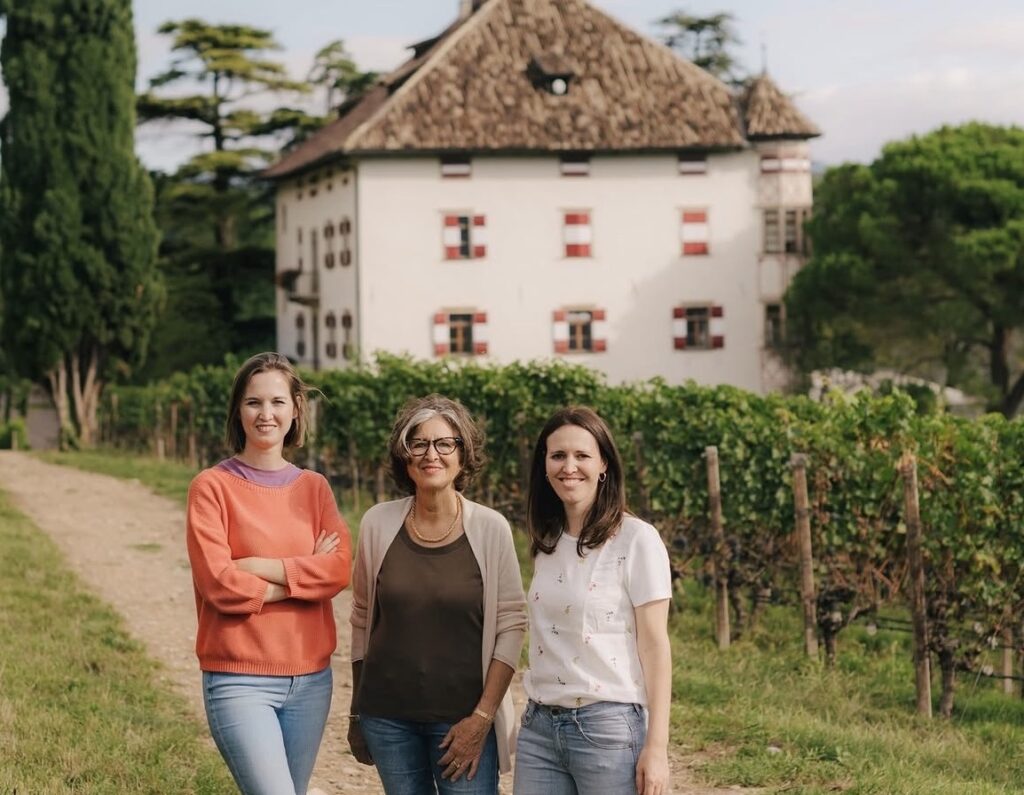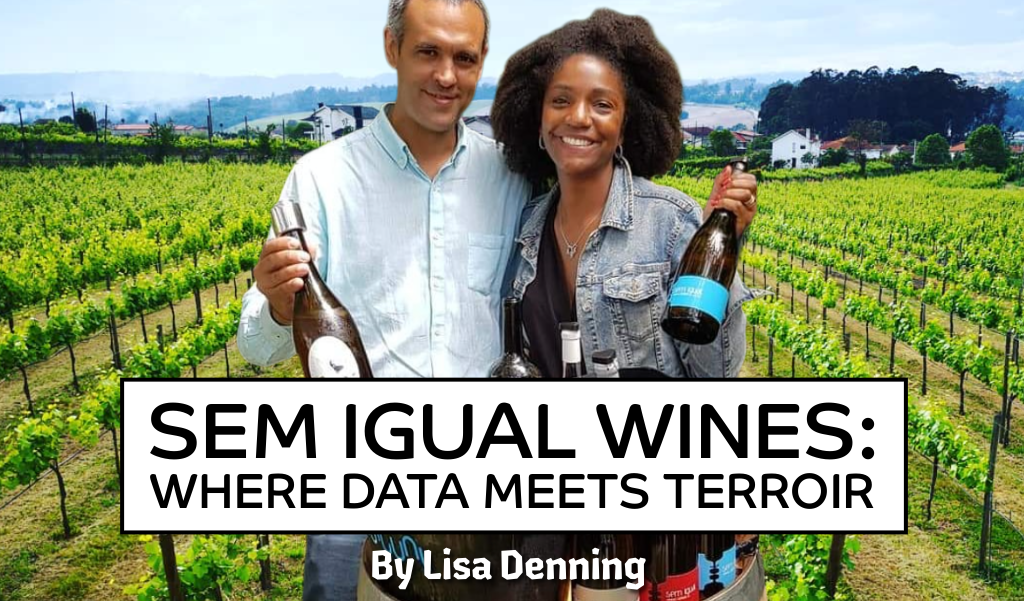
As a winemaker, João Camizão thinks like an engineer—unsurprising, perhaps, given that engineering is still his day job. That income allows him and his wife, Leila Camizão Rocha, to pursue their family wine project, Sem Igual, in Portugal’s Vinho Verde. Camizão applies a systematic mindset to his winemaking as well, tracking fermentations hour by hour and analyzing every curve. But the landscape he’s working within is far older than any dataset: vineyards his family has farmed since 1780. His aim isn’t to override that history, but to better understand it. “They were always right,” he says of his ancestors. “Maybe they didn’t know why. We’re trying to learn the whys.”
That tension, between precision and instinct, modern tools and inherited knowledge, runs through everything he does. In a region still largely defined by light, spritzy wines, Camizão is doing something else: producing dry, non-carbonated, age-worthy bottlings from the lesser-known Sousa Valley, using grapes the market doesn’t necessarily recognize. His long-term approach includes estate-only production, even when it limits growth, and a shift to organic farming not just for certification but to deepen the character of his native yeasts and, ultimately, his wines.
Grape Collective spoke with Camizão about what it means to create a Vinho Verde “without equal” (Sem Igual) within one of Portugal’s oldest wine traditions.
Lisa Denning: You come from a long line of wine growers, but you took a different path at the beginning of your career. How did you find your way back to wine?
João Camizão: My family has been making wine since 1780, but I trained as a telecom engineer. My grandfather—I was very attached to him; he had two daughters, and I was his first male grandson — tried to convince me to study winemaking or agriculture when I was 17 or 18. But I didn’t want to, because I saw the wine business as something not very prosperous. It was more of a hobby for him; he had other businesses.
Then, between 2009 and 2011, I was setting up a software development team in India for a multinational company. That’s when I started thinking: when I go back to Portugal, I want to do something different. I thought we had great terroir and could try to make a different kind of wine. Eventually, I went back and did a post-graduate degree in winemaking and viticulture. And our wine brand, Sem Igual, which means “without equal” in English, reflects that ambition. In 2017, with my family’s support, we committed fully and took the winery to another level.
Do you still work in telecom?
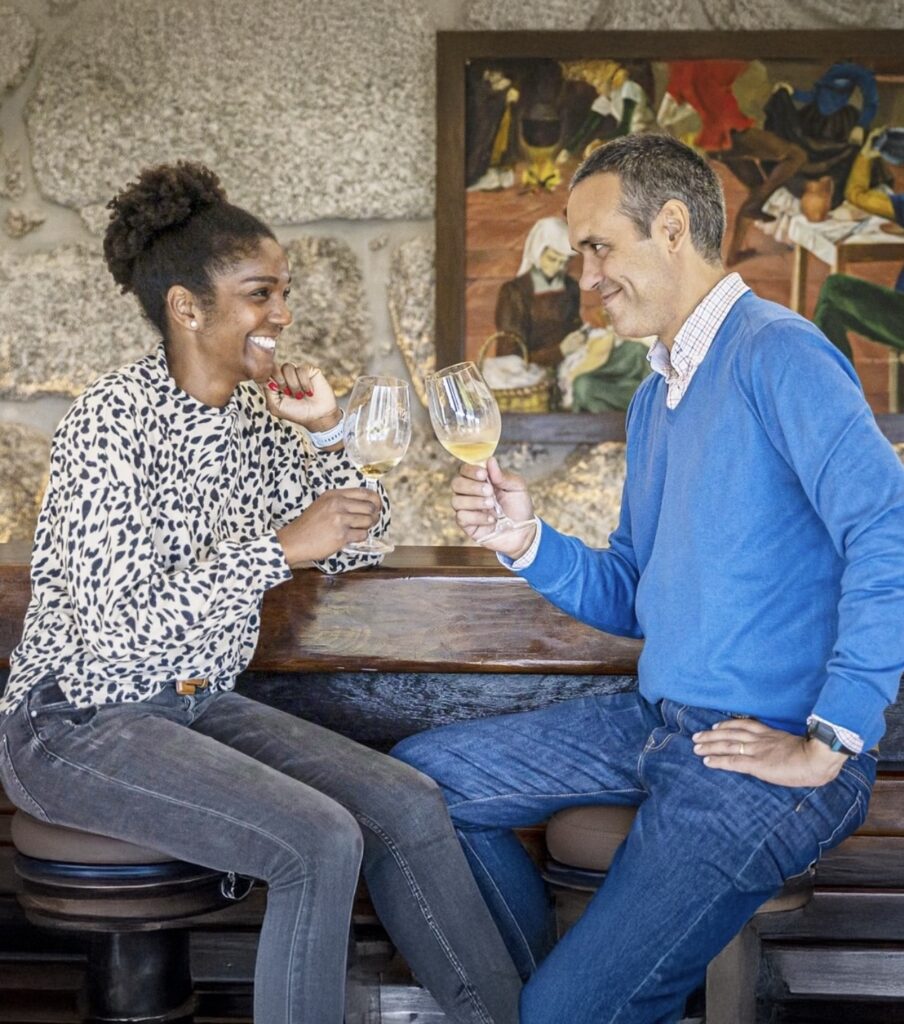
Yes. We have two kids, so I still keep the other business. I work for a tech company. But my wife stepped up and manages most of the winery side: the business, tastings, all of that.
Do you feel more like an engineer making wine, or a winemaker who happens to be an engineer?
It’s a mix. I try to apply what I’ve learned in my career: product development, portfolio management, cost efficiency, and commercial modeling. I’m a bit obsessed with control, but I mean that in a natural sense. We digitize what we can: during fermentation, I collect data every hour on density and temperature, so I have the entire fermentation curve tracked. We want to make sure fermentation goes cleanly to the end. But wine is also about the heart. We have our feelings. We’re deeply loyal to our terroir and to our ancestors. We use grape varieties that were grown here more than 200 years ago. They were always right; maybe they didn’t know why. We’re trying to learn the whys.
Can you tell me about the terroir of Vinho Verde and your subregion in particular?
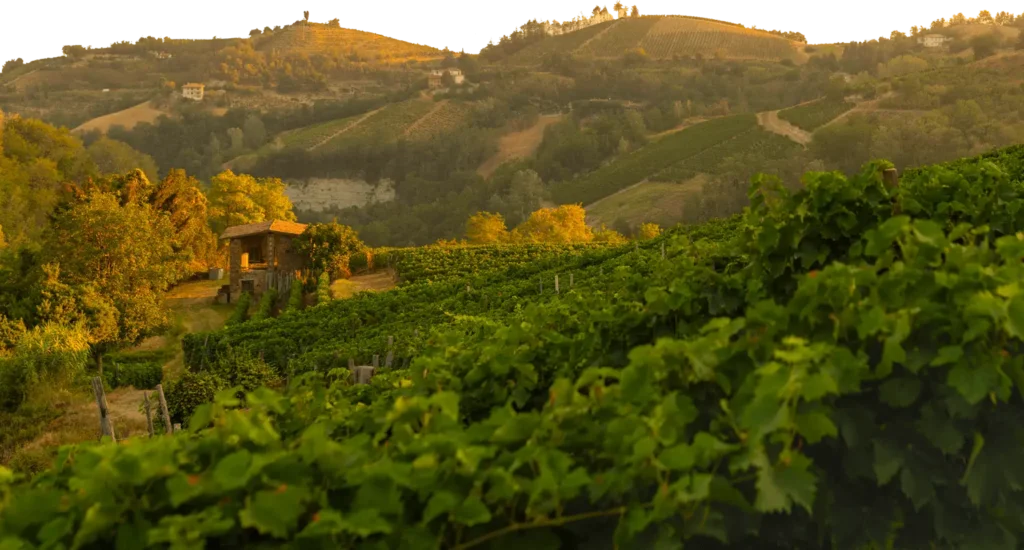
Vinho Verde is in the northwest of Portugal. It stretches from the Spanish border down to south of Porto, and east toward the Douro Valley. It rains a lot; it’s a cooler region, and, by nature, we have a terroir built for fresh wines.
Our subregion, the Sousa Valley, is one of the lesser-known ones. The most famous subregions are probably Monção e Melgaço, Lima, and Basto. We’re not that well-known. But wine has been made here since at least the 16th or 17th century, and in my family’s case, since 1780. The soils are granite, the temperatures are mild (though it can get quite hot in summer), and we’re about 20 miles from the Atlantic Ocean in a valley setting. I think we have everything needed to produce fresh, low-pH wines that age very nicely in the bottle. That was the idea behind Sem Igual: to show the world we could do something different, non-carbonated, dry, single-region Vinho Verde that ages well, from grape varieties that aren’t necessarily the most common.
Which grape varieties do you grow, and what wines do you make?
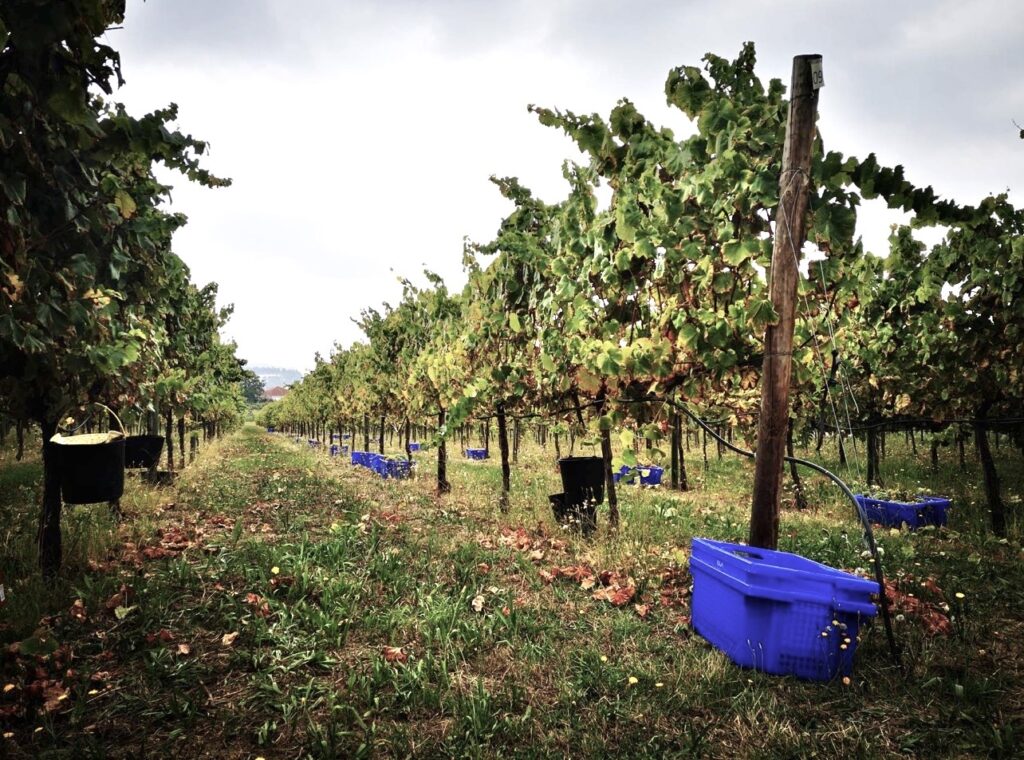
For whites, our main varieties are Arinto and Azal. Arinto appears in different parts of the country—Bairrada and the Lisbon area, mostly on the coast. It’s known for giving acidity to wines and is mostly used in blends, though there are some excellent single-varietal examples from Bairrada going back to the ’60s that are aging beautifully. Azal is more unique. You can really only find it in Vinho Verde, maybe two or three subregions. It has a high amount of malic acid, which gives our wines a crisp, vibrant, almost electric character. Those are our flagship white varieties. We’re starting to work with reds, but that’s still very small for us. We also have Touriga Nacional and Vinhão.
Why did you choose not to work with Loureiro or Alvarinho, which are so closely associated with the region? Does that affect your market presence?
It does. But we see this as a long-term project. If it were a short race, we’d probably need to accelerate, increase sales, and work with varieties the market already knows and wants. But since this is a marathon, we chose to trust our culture and the empirical knowledge of our ancestors, and use the varieties that have been grown here for hundreds of years.
It’s a difficult message to convey. But when customers take the time to listen and taste without preconceived ideas, the surprise factor is real, and they get excited. We do have a small amount of Alvarinho, because when we sell the grapes, the price point is higher. And we have one label that uses a bit of it. But our belief is that the varieties best suited to our terroir, Arinto and Azal, are what make our wines unique.
Can you tell me about your Ramadas Metal wine, made from very old vines?
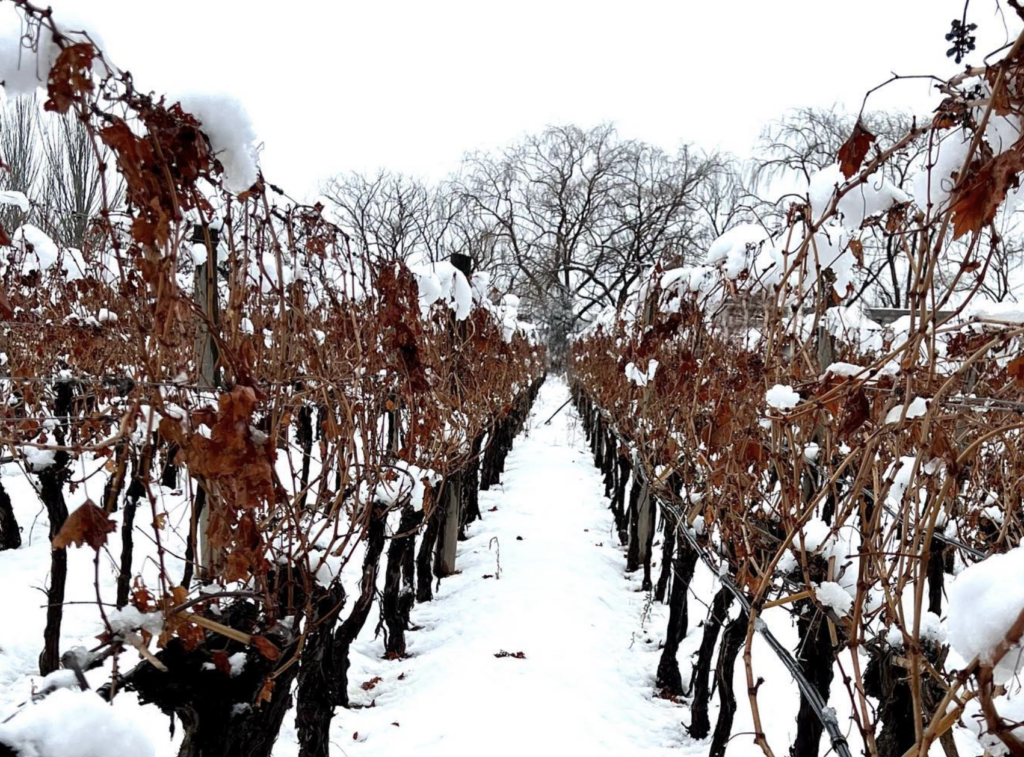
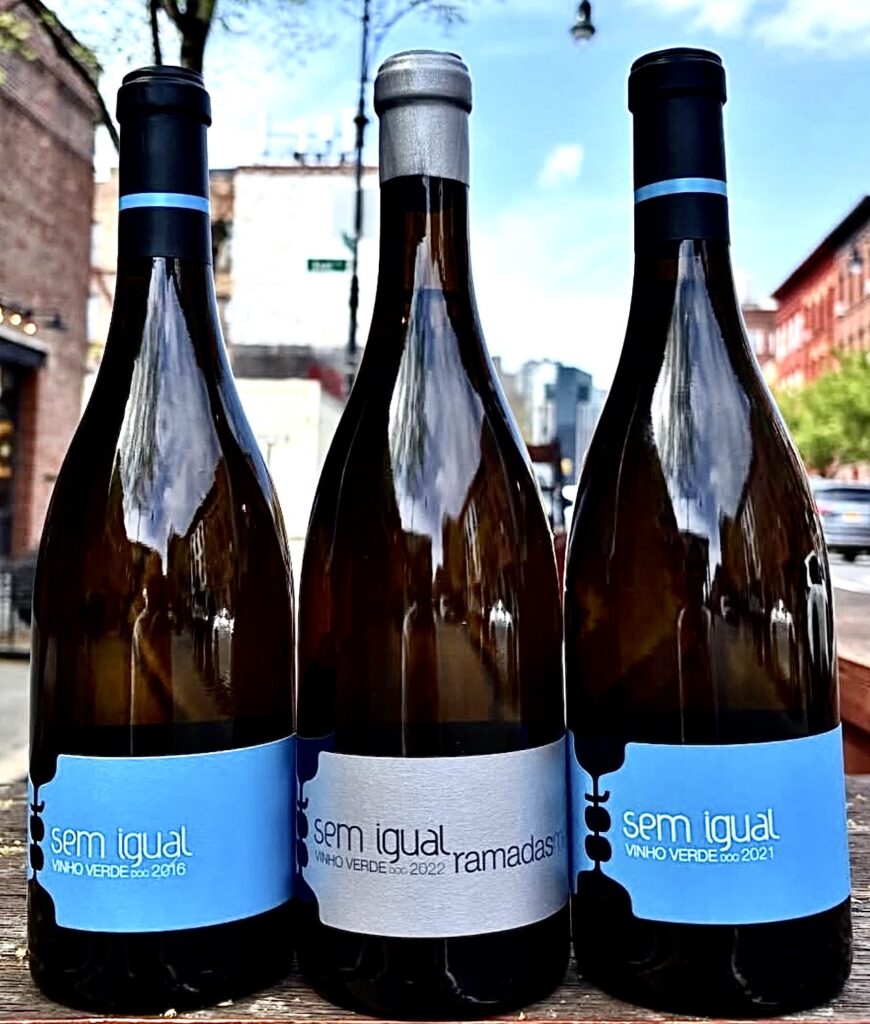
The Ramadas wine comes from a vineyard planted in 1931, still trained in the traditional ramada system, a kind of pergola or tunnel, quite high. Historically, the vines grew along the borders of cornfields; the corn fed the animals and went into bread. The layout followed the walking paths, not optimal for exposure. It can be very shaded and humid, and getting good ripeness is tricky.
When we renovated most of our vineyards around 2006 to 2010, we nearly tore that one out, too. My mother said no. It was right next to an important family house where we hold all our celebrations, weddings, and so on. So we kept it. In 2017, when I started vinifying it separately, I was amazed by the acidity and sugar levels, which were really different from those in our other vineyards. That first vintage in 2017 turned out richer, higher in both acidity and alcohol—to get phenolic ripeness below pH 3.4 or 3.5, the alcohol needs to go above 13%.
We don’t make it every year. In some vintages, there’s a lot of rot because it’s always the last vineyard we harvest. We wait until the acidity comes down. We’ve done 2017, 2018, 2021, and 2022. Production is very small: 500 to 1,200 bottles, depending on the year.
What challenges are you facing from climate change?
We’re somewhat fortunate in our location. It rains a lot, and we don’t normally see severe heat. That said, 2017 and 2019 were extremely warm, so it’s not something to ignore. The traditional ramada training system actually helps by providing shade. And we have another tool available in extreme years: irrigation. We have springs on the property, so we’re not overly worried at the moment. I know climate change is serious for the world, but so far, we haven’t seen a major impact on our ability to make our wines.
You’re transitioning to organic. What’s driving that, especially given all the rain and humidity?
It’s extremely tough. My colleagues ask me, “Why are you always looking to get out of your comfort zone?” But I like to learn, to make mistakes. That’s how you grow. I always say: a bad decision is better than no decision.
We started the conversion in 2023, and this should hopefully be our final year. The motivation isn’t mainly about putting a certification on the label. It’s about our indigenous yeasts. We’ve been producing with our own yeasts since we started vinifying at our own winery in 2021. If those yeasts come from a vineyard with more biodiversity in the soil, they’re going to be meaningfully different from a neighbor’s yeasts. Even a neighbor with similar soil, who’s been using systemic chemicals. The move to organic is really about going one step further: if you’re going to use indigenous yeasts, make sure the vineyard they come from reflects that philosophy. More unique soil, more unique wine.
You farm ten hectares. Do you see the winery growing?
We need to sell more, and we’re still selling some grapes rather than bottling everything. But I’m not in a rush to scale production. We’re still in a transition phase, so volume is actually down a bit during the conversion. We have younger vineyards planted around 2021, and that alone gives us room to grow production by maybe 50 to 60 percent over the next five to six years. And we have more land if we decide to expand the vineyard area.
But one thing we’ve committed to—and this is maybe harder than going organic—is being vinho de quinta, estate wines only. We can only make wine from grapes we grow ourselves. That ties us to our yields, and there will be times we can’t meet market demand. But we’ve decided to be proudly small and unique.
On a broader note, what does Portugal need to do to become more present in the minds of wine consumers worldwide?
I think about it in three categories. For the big producers, it’s really a question of how much they’re willing to invest in marketing—getting across a convincing message that Portugal is a small country from the Old World with history and unique wines. For mid-sized producers, it’s harder. They don’t have the scale to justify massive marketing spend and might not have enough product to back it up—but they can still make their presence felt at important events. For small producers like us, it’s a marathon. Building a brand takes time. Our best weapon is wine tourism: hosting wine lovers who want to learn, working with good travel agencies, and letting people experience what we do firsthand. Those visitors come in without preconceived ideas, taste, and are surprised, becoming loyal customers. My wife is doing a brilliant job building that side of the business.
The government is also doing reasonably well in overall promotion. But for us, it works best when it’s connected directly to the experience of being here.