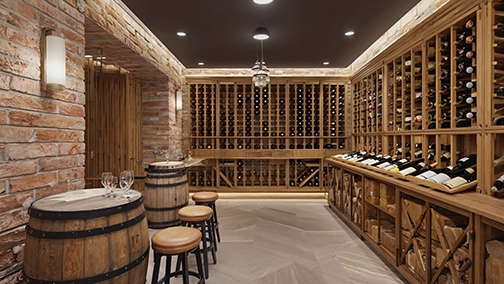
Your wine collection represents more than just bottles on a shelf—it’s an investment in liquid artistry that can appreciate significantly over time. Yet many collectors unknowingly sabotage their precious bottles through improper storage, watching thousands of dollars literally evaporate into thin air. The difference between a perfectly preserved vintage and an expensive mistake often comes down to understanding a few critical storage principles that most wine enthusiasts overlook.
Whether you’re safeguarding a modest selection of everyday favorites or curating an impressive cellar worth tens of thousands, these proven storage strategies will protect your investment and ensure every bottle reaches its full potential.
Temperature Control: The Make-or-Break Factor
Temperature fluctuation is the silent killer of wine collections. While most people know wine should be kept cool, the real secret lies in maintaining consistent temperatures rather than achieving perfect coldness. Wine stored at a steady 65°F will fare far better than bottles bouncing between 55°F and 60°F throughout the day.
The Basement Advantage: Before investing in expensive wine refrigeration units, explore your basement or the coolest, most stable area of your home. Many basements naturally maintain temperatures between 55-65°F year-round, making them ideal wine storage locations. Use a digital thermometer with memory functions to track temperature variations over several weeks before committing to a storage spot.
Insulation Innovation: Create your own temperature buffer zone by storing wine in styrofoam coolers or insulated boxes within your chosen storage area. This simple hack provides an extra layer of protection against temperature swings while costing a fraction of professional wine storage solutions.
Thermal Mass Strategy: Place large containers of water near your wine storage area. Water’s thermal mass helps moderate temperature fluctuations, acting as a natural climate stabilizer. This technique, borrowed from greenhouse management, can reduce temperature swings by 3-5 degrees.
Humidity: The Goldilocks Zone
Humidity levels between 60-70% create the perfect environment for wine aging, but achieving this balance requires more finesse than most collectors realize. Too little humidity causes corks to dry out and shrink, allowing oxygen to seep in and spoil the wine. Excessive humidity promotes mold growth and label deterioration.
The Wet Towel Trick: Place damp towels in shallow pans throughout your storage area, refreshing them weekly. This simple method provides steady humidity release without the expense of professional humidification systems. Monitor levels with a hygrometer to ensure you’re hitting the sweet spot.
Natural Humidity Buffers: Clay pots filled with water act as excellent humidity regulators. The porous clay slowly releases moisture while absorbing excess humidity when levels rise too high. Place several throughout your storage area for consistent atmospheric conditions.
Seasonal Adjustments: Humidity needs change dramatically with seasons. Summer often brings excess moisture, while winter heating systems create desert-like conditions. Adjust your humidity management strategy accordingly, increasing moisture sources during dry months and improving ventilation during humid periods.
Light Protection: Shielding Your Investment
Ultraviolet light breaks down wine compounds, creating off-flavors and premature aging. While most collectors understand direct sunlight poses risks, many overlook the cumulative damage from fluorescent lighting and even LED sources.
The Cardboard Shield: Keep wines in their original cardboard cases whenever possible. These boxes provide excellent UV protection while maintaining proper ventilation. For displayed bottles, create custom cardboard sleeves or wrapping to shield glass while maintaining aesthetic appeal.
Strategic Positioning: Store wine with labels facing inward when possible. This simple adjustment protects labels from light damage while making it easier to identify bottles without handling them excessively.
Window Film Solution: Apply UV-filtering window film to any windows in your storage area. This automotive-grade film blocks 99% of harmful UV rays while allowing natural light for occasional cellar visits.
Vibration Management: The Overlooked Threat
Constant vibrations, even minor ones from nearby appliances or foot traffic, can disturb wine sediment and accelerate aging processes. Wine molecules are surprisingly sensitive to movement, and chronic vibration exposure can flatten flavors and reduce aging potential.
Isolation Techniques: Place wine racks on rubber mats or foam padding to absorb vibrations from building movement. Even simple yoga mats can provide significant vibration dampening at minimal cost.
Strategic Location Planning: Avoid storing wine near washing machines, furnaces, or high-traffic walkways. The subtle vibrations from these sources accumulate over months and years, potentially compromising wine quality.
Mounting Solutions: Wall-mounted wine racks often experience less vibration than floor-standing units, especially in multi-story buildings. Ensure wall mounts are secured to studs rather than hollow drywall for maximum stability.
Storage Position: Science Meets Tradition
Horizontal storage keeps corks moist and prevents oxidation, but the specific angle and positioning can impact aging outcomes. Understanding the physics behind proper positioning helps optimize your storage setup regardless of space constraints.
The Slight Decline: Store bottles at a gentle downward angle with the neck slightly lower than the base. This position keeps corks saturated while allowing sediment to settle away from the cork, making eventual opening cleaner and easier.
Bottle Rotation Strategy: Quarterly quarter-turns of stored bottles help prevent sediment from adhering to bottle sides while ensuring even cork contact with wine. Mark bottles with small stickers to track rotation schedules.
Stack Stability: When stacking bottles, alternate directions to create natural locking mechanisms. This technique, used in professional cellars, prevents bottle movement while maximizing storage density.
Air Quality and Ventilation
Wine storage areas need fresh air circulation to prevent musty odors and mold growth, but excessive air movement can cause temperature fluctuations. Achieving proper balance requires understanding your specific storage environment.
Natural Ventilation: Create gentle air circulation using strategically placed vents or small fans on timers. Aim for complete air exchange every few hours rather than constant air movement.
Odor Prevention: Store wines away from strong odors like paint, cleaning supplies, or gasoline. Wine can absorb surrounding odors through cork and even glass over extended periods.
Moisture Management: Ensure adequate drainage in storage areas to prevent standing water, which promotes mold growth and creates humidity spikes that can damage labels and compromise cork integrity.
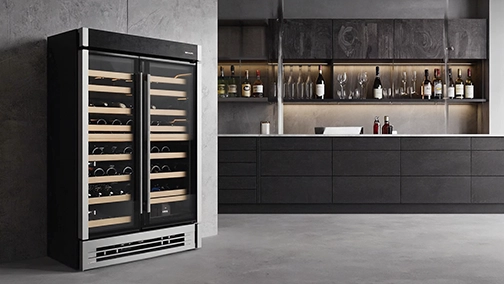
Technology Integration for Modern Collectors
Modern technology offers affordable solutions for monitoring and maintaining optimal storage conditions. Smart sensors and automated systems can prevent costly mistakes while providing peace of mind for serious collectors.
Wireless Monitoring: Install wireless temperature and humidity sensors that send alerts to your smartphone when conditions drift outside optimal ranges. Many systems cost under $100 and can prevent thousands in wine losses.
Data Logging: Choose monitoring systems that record historical data, helping you identify patterns and make informed adjustments to your storage setup over time.
Emergency Preparedness
Even perfect storage systems can fail. Having contingency plans protects your investment during power outages, equipment failures, or extreme weather events.
Power Outage Protocol: Keep insulated coolers and ice packs ready for emergency wine relocation. Identify alternative storage locations like friends’ cellars or commercial storage facilities for extended emergencies.
Insurance Considerations: Document your collection with photos and maintain purchase records. Many homeowner’s insurance policies provide limited coverage for wine collections, making specialized wine insurance worth considering for valuable collections.
Backup Systems: For serious collections, invest in backup power systems or redundant monitoring equipment. The cost of prevention pales compared to replacing damaged vintage bottles.
The Bottom Line
Proper wine storage doesn’t require expensive equipment or perfect conditions—it demands understanding the fundamental principles and applying creative solutions to your specific situation. These proven hacks can transform any space into a proper wine storage environment while protecting your investment for years to come.
Remember that consistency trumps perfection in wine storage. A basement maintained at 65°F with stable humidity will preserve wine far better than an expensive wine fridge with fluctuating conditions. Focus on controlling the variables within your means while monitoring conditions over time.
Your wine collection deserves protection that matches its potential. Implement these storage strategies gradually, starting with the most critical factors like temperature stability and light protection. With proper care and attention, your bottles will reward you with perfectly preserved flavors and potentially significant appreciation in value over time.