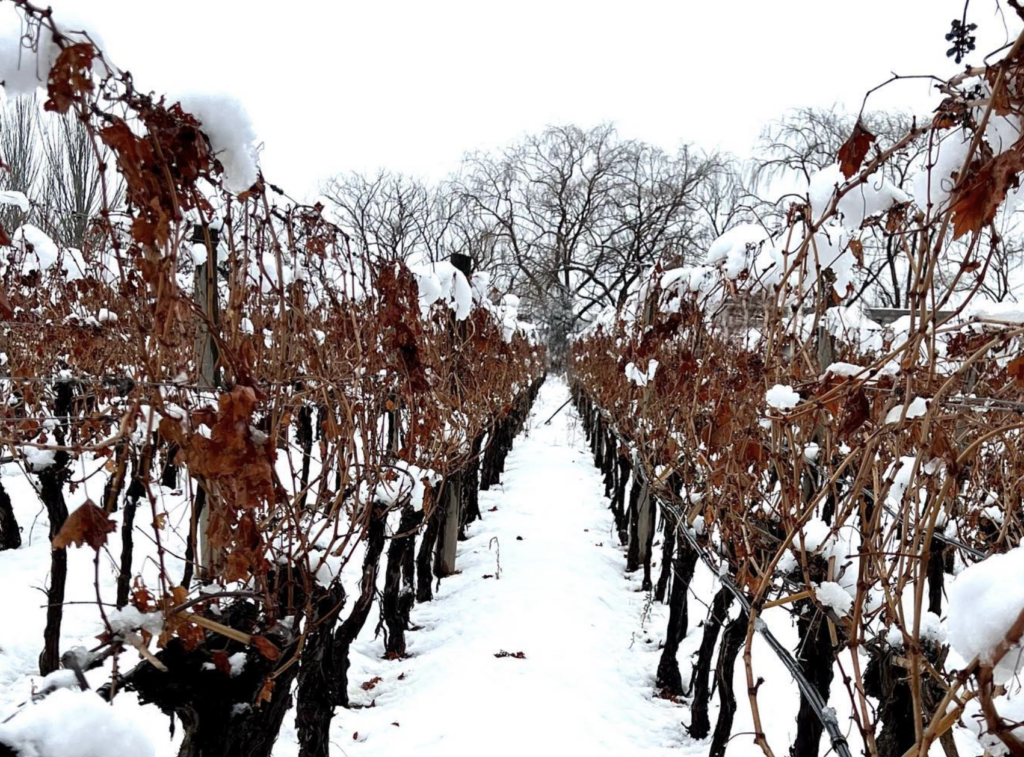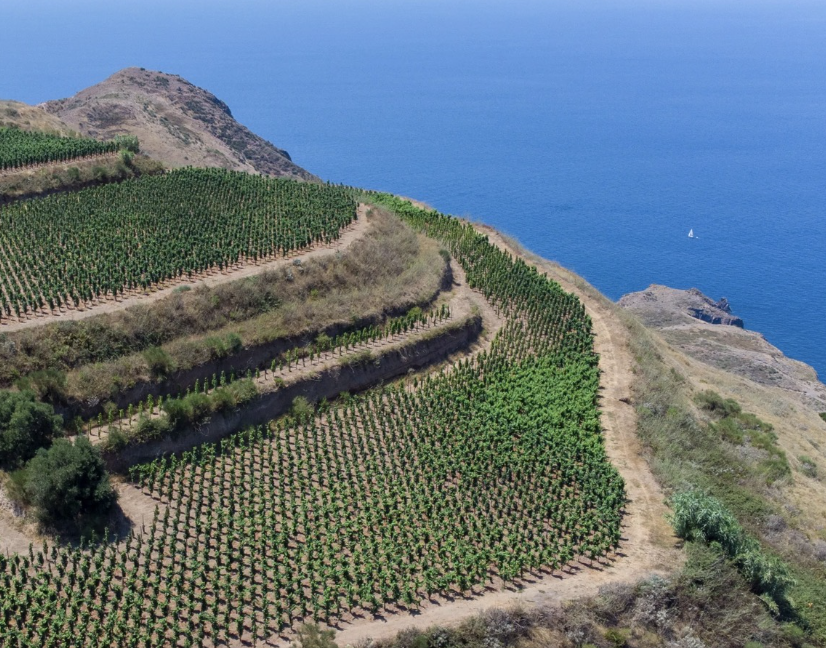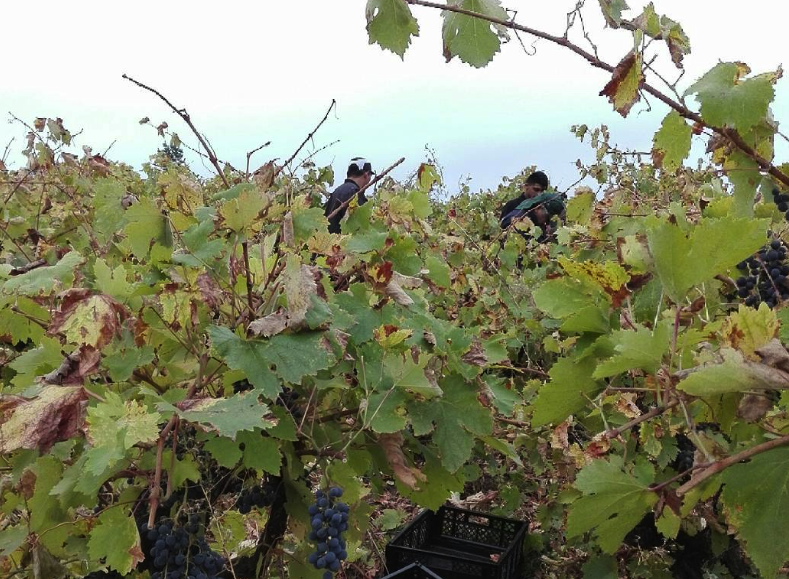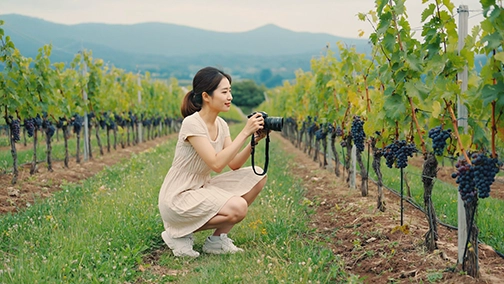
In the age of social media, wine appreciation has evolved beyond the tasting room. Today’s wine enthusiasts are as likely to share their discoveries on Instagram as they are to discuss them with friends over dinner. But capturing that perfect wine shot—one that truly conveys the elegance, character, and story of your bottle—requires more than just pointing and shooting. Whether you’re a casual wine lover looking to up your social media game or a serious collector wanting to showcase your prized bottles, these 13 professional photography tips will transform your wine imagery from amateur snapshots to scroll-stopping content.
Master the Art of Natural Light
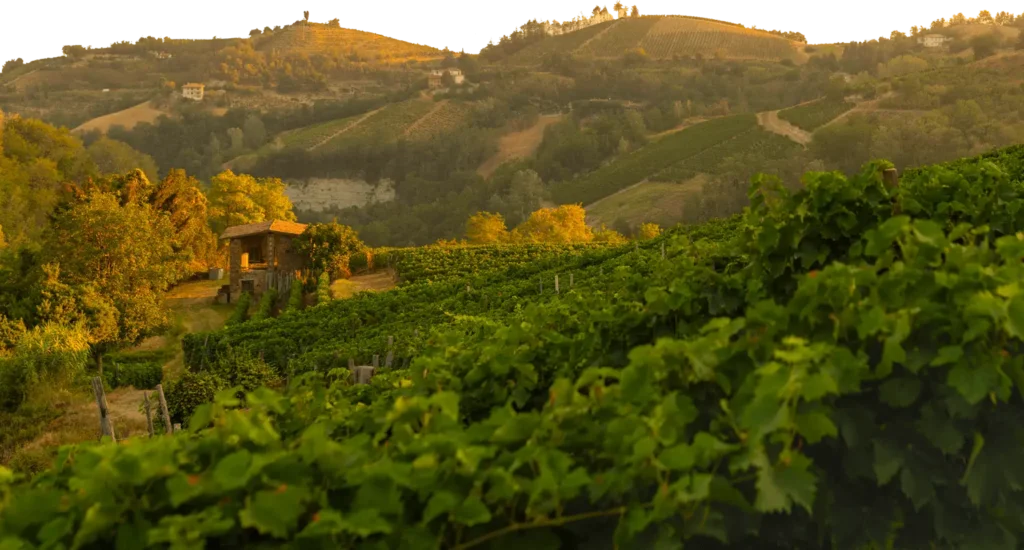
The foundation of exceptional wine photography lies in understanding light. Natural light remains your best friend, but timing is everything. The golden hour—that magical period just after sunrise or before sunset—bathes everything in warm, honeyed tones that make wine bottles glow and glasses sparkle. If you can’t shoot during these premium times, overcast days provide beautifully soft, even lighting that eliminates harsh shadows and reduces glare on glass surfaces.
When shooting indoors, position yourself near large windows but avoid direct sunlight streaming through. This harsh light creates unflattering hot spots and deep shadows that detract from your wine’s visual appeal. Instead, use sheer curtains or position your setup slightly away from the window to achieve that coveted soft, diffused lighting.
Perfect Your Glass and Bottle Preparation
Nothing ruins a wine photograph faster than smudged glassware or a dusty bottle. Before you even think about composition, ensure every surface is immaculate. Polish wine glasses until they’re crystal clear—every fingerprint, water spot, or lint will be magnified in your final image. Use a microfiber cloth and work in circular motions to avoid streaking.
For wine bottles, the label presentation is crucial. Ensure labels are perfectly aligned, free of wrinkles or bubbles, and spotless. If you’re going for a minimalist aesthetic, carefully remove labels using warm water and a hair dryer, but remember that the label often tells the wine’s story and adds authenticity to your shot.
Embrace Strategic Composition Techniques
Move beyond the tired center-framed wine bottle. The rule of thirds transforms ordinary shots into compelling compositions. Imagine your frame divided into nine equal sections and place key elements—the wine glass, bottle neck, or focal point—along these intersection lines. This creates natural visual tension and guides the viewer’s eye through your image.
Experiment with different angles to find your wine’s most photogenic side. Overhead flat lays work brilliantly for wine and food pairings, 45-degree angles showcase the wine’s color and clarity, while straight-on shots emphasize the bottle’s label and shape. Don’t be afraid to fill the frame—sometimes a close-up of wine swirling in a glass tells a more compelling story than a full bottle shot.
Harness Color Theory and Contrast
Wine photography is fundamentally about color relationships. Deep, rich reds demand lighter backgrounds to create contrast—think pristine white marble, warm cream surfaces, or weathered light wood. Conversely, crisp whites and delicate rosés shine against darker backdrops like slate, dark wood, or even black velvet.
Consider the wine’s personality when choosing your palette. A bold Cabernet Sauvignon might pair beautifully with rustic textures and earth tones, while a delicate Pinot Grigio calls for clean lines and minimal color distraction. The goal is to enhance, not compete with, your wine’s natural beauty.
Style with Purpose and Restraint
Props can elevate your wine photography from simple product shots to lifestyle imagery that tells a story. However, restraint is key. A carefully curated cheese board, a few perfectly placed grapes, an elegant corkscrew, or a single fresh flower can add context and sophistication without overwhelming your primary subject.
Think about the narrative you want to convey. Is this a romantic evening for two? Include soft candlelight and intimate table settings. Celebrating a harvest? Incorporate fresh fruits and rustic elements. The key is ensuring every element serves the story rather than cluttering the frame.
Capture Dynamic Pours and Perfect Levels
Action shots of wine being poured add movement and life to your imagery. Use your camera’s burst mode and a fast shutter speed to freeze the perfect moment. The ideal pour creates a graceful arc of wine that’s sharp and clear, not blurred or chaotic.
When styling static shots, remember that less is often more when it comes to wine in the glass. Fill glasses only one-third full—this showcases the wine’s color and allows space for the wine to breathe and develop its “legs” on the glass sides, which adds visual interest and suggests quality.
Master Focus and Depth of Field
Creating beautiful background blur (bokeh) makes your wine the undisputed star of the image. Use a wide aperture (f/1.8-f/2.8) to achieve this effect, but be strategic about your focus point. The wine’s surface, the curve where light hits the glass most appealingly, or the bottle’s label should be tack sharp while other elements fade into pleasing softness.
This technique works particularly well when photographing wine in context—a restaurant setting, vineyard, or home environment—where you want to suggest atmosphere without distracting details.
Navigate Reflections and Glare
Glass surfaces are both a blessing and a challenge in wine photography. While reflections can add elegance and sophistication, unwanted glare destroys the magic. Position your lights and yourself carefully to minimize harsh reflections while maintaining the glass’s natural sparkle.
Sometimes a subtle reflection of surrounding elements—perhaps a soft window light or an elegant table setting—adds depth and context to your image. The key is control: intentional reflections enhance the story, while accidental ones featuring your phone or harsh light sources detract from the professional look you’re aiming for.
Conclusion
Great wine photography combines technical skill with artistic vision. These thirteen tips provide the foundation, but remember that the most compelling wine images tell stories—of place, tradition, celebration, and the simple pleasure of a perfectly chosen bottle. Practice these techniques, experiment with your own style, and soon your Instagram feed will be as sophisticated as your wine collection.