In the pantheon of Piedmontese wines, where Barolo and Barbaresco command reverence and hefty price tags, there exists a wine that embodies both accessibility and excellence in equal measure. Barbera d’Alba DOC stands as Italy’s great democratic wine—a bottle that graces weeknight dinner tables with the same confidence it brings to special occasions. Yet to dismiss it as merely an everyday wine would be to miss one of Italy’s most compelling stories of terroir, tradition, and transformation.
The Grape That Built Piedmont
Barbera, the grape behind this remarkable wine, is Piedmont’s most widely planted variety, covering nearly half the region’s vineyard acreage. While Nebbiolo may wear the crown, Barbera has long been the backbone of Piedmontese viticulture, sustaining generations of winemaking families through its reliable yields and food-friendly character. The variety’s name likely derives from the Latin “vitis barberis,” referencing its ability to thrive in the region’s varied soils and microclimates.
What makes Barbera distinctive is its vibrant acidity—a characteristic that sets it apart from many other red varieties. This natural brightness provides the wine’s backbone, ensuring freshness even in riper vintages and making it an ideal companion to the rich, fat-laden cuisine of Piedmont. The grape’s thin skins contribute moderate tannins, while its ability to achieve full phenolic ripeness at relatively modest alcohol levels creates wines that are both flavorful and balanced.
Alba’s Exceptional Terroir
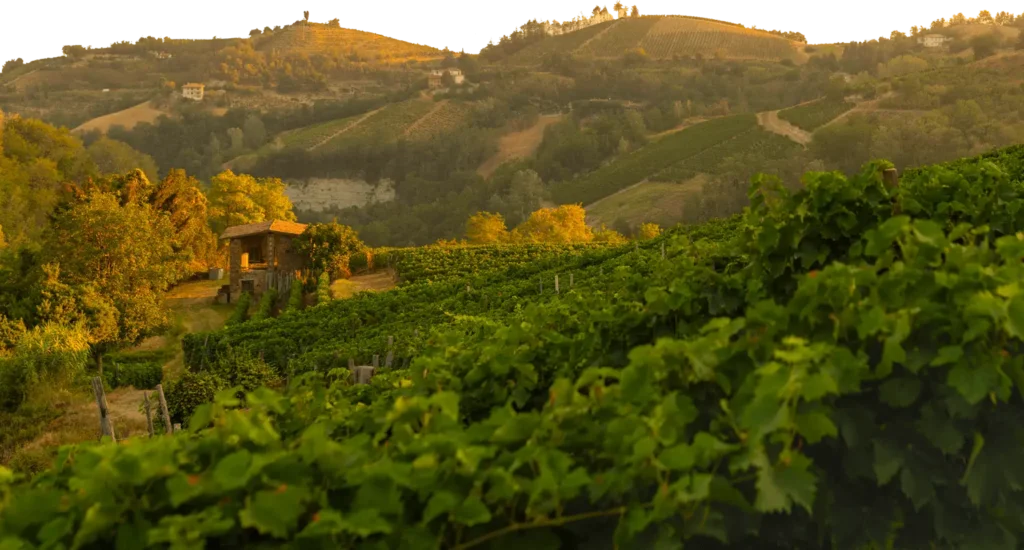
The Barbera d’Alba DOC, established in 1970, encompasses the prestigious Alba zone, sharing vineyard sites with some of the world’s most celebrated wines. This geographical overlap is no accident—the same hills that produce legendary Barolo and Barbaresco also provide ideal conditions for Barbera, though the variety often occupies different exposures and soil types within these celebrated communes.
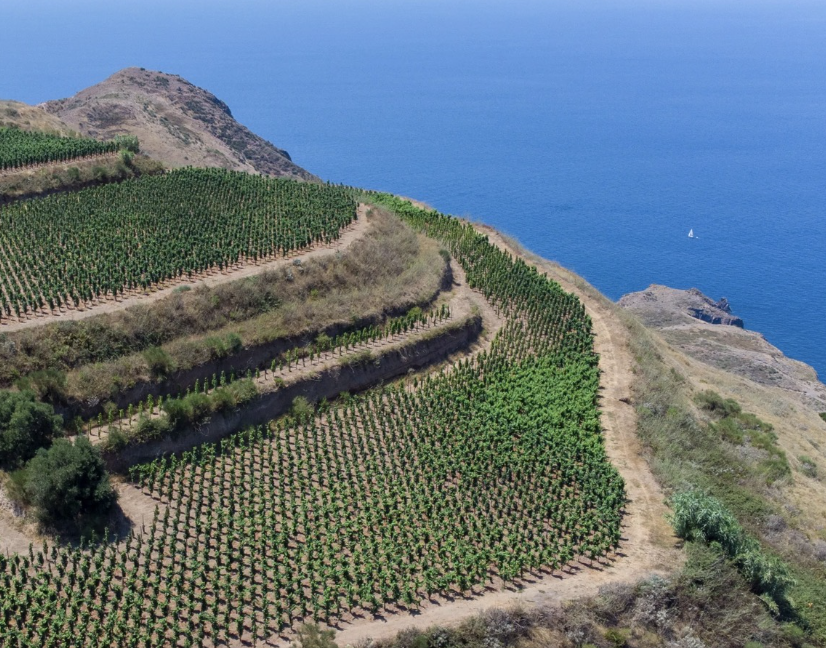
The region’s distinctive white marl soils, known locally as “terre bianche,” combined with varying amounts of limestone and clay, create a complex tapestry of terroirs. Unlike Nebbiolo, which demands the most privileged south-facing slopes, Barbera thrives on a variety of exposures, including north-facing sites that preserve the grape’s essential acidity. This adaptability allows producers to craft wines with diverse personalities, from bright and mineral-driven expressions to richer, more structured interpretations.
The continental climate, moderated by morning fogs rolling in from the Tanaro River, provides ideal growing conditions. Cool nights preserve acidity while warm days ensure proper ripeness—a balance that allows Barbera to express both power and elegance. The long growing season, often extending into October, gives the grapes time to develop complex flavors while maintaining their characteristic freshness.
Evolution in Winemaking
The transformation of Barbera d’Alba from rustic country wine to sophisticated expression began in earnest during the 1980s and 1990s. Pioneering producers like Giacomo Bologna of Braida revolutionized the category by applying techniques typically reserved for premium wines: extended macerations, malolactic fermentation, and carefully orchestrated oak aging.
This evolution revealed Barbera’s surprising depth and aging potential. When given serious attention in the vineyard and cellar, the variety produces wines of remarkable complexity and longevity. Modern Barbera d’Alba expressions range from fresh, fruit-forward styles meant for immediate consumption to structured, age-worthy wines that develop beautifully over a decade or more.
The DOC regulations reflect this diversity, allowing for various winemaking approaches while maintaining quality standards. Minimum alcohol levels of 11.5% ensure adequate ripeness, while yield restrictions of 70 hectoliters per hectare promote concentration. The regulations also permit up to 15% of other red varieties, though most quality-focused producers work with 100% Barbera.
The Everyday Hero
What truly makes Barbera d’Alba an everyday hero is its remarkable versatility at the table. The wine’s bright acidity and moderate tannins make it an ideal partner for a vast array of dishes, from simple pasta with tomato sauce to elaborate braised meats. This food-friendliness, combined with generally modest pricing, has made it a staple in trattorias throughout Italy and wine bars worldwide.
The wine’s ability to complement both rustic and refined cuisine speaks to its inherent balance. A young Barbera d’Alba pairs beautifully with pizza margherita or risotto, while an aged version from a top producer can stand alongside osso buco or aged cheeses. This versatility extends beyond Italian cuisine—the wine’s fresh acidity makes it surprisingly compatible with spicy Asian dishes, grilled vegetables, and even certain fish preparations.
Perhaps most importantly, Barbera d’Alba offers immediate pleasure without demanding extensive knowledge or ceremony. It’s a wine that invites casual enjoyment while rewarding those who delve deeper into its nuances. This accessibility has made it an ideal introduction to Italian wines for newcomers while maintaining enough complexity to satisfy experienced palates.
Anything But Ordinary
Despite its approachable nature, the finest examples of Barbera d’Alba reveal extraordinary depth and sophistication. Top producers like Michele Chiarlo, Vietti, Prunotto, and Ceretto craft versions that showcase the variety’s potential for greatness. These wines display intense fruit concentration balanced by vibrant acidity, with layers of dark berries, cherries, spices, and often subtle oak integration.
The aging potential of quality Barbera d’Alba often surprises newcomers to the wine. While many examples are delicious upon release, the best bottles develop beautifully over 5-10 years, gaining complexity and integration while maintaining their essential freshness. Older vintages reveal secondary notes of leather, tobacco, and dried herbs, while the fruit evolves from bright and primary to more nuanced and savory.
Single-vineyard expressions have become increasingly common, highlighting specific terroirs within the Alba zone. These site-specific wines demonstrate how different soils and exposures influence the grape’s expression, from the mineral-driven wines of Sant’Antonio to the powerful, structured expressions from vineyards in Neive and Treiso.
A Modern Renaissance
Today’s Barbera d’Alba benefits from both traditional wisdom and modern innovation. Many producers now farm organically or biodynamically, seeking to express terroir more purely. In the cellar, there’s a trend toward more restrained oak use, allowing the grape’s natural character to shine through. Some producers are experimenting with concrete eggs, large oak casks, or amphora aging to add texture without overwhelming the fruit.
The wine’s growing international recognition has led to increased plantings in quality sites previously reserved for other varieties. As climate change affects traditional grape growing, Barbera’s adaptability and retention of acidity make it increasingly valuable to producers seeking consistency across vintages.
The Democratic Wine
In a wine world often obsessed with status and price, Barbera d’Alba stands as a testament to the idea that greatness doesn’t require pretension. It’s a wine that embodies the best of Italian wine culture: the marriage of tradition and innovation, the celebration of terroir, and the belief that wine should enhance life rather than intimidate it.
Whether poured from a simple bottle shared among friends or a carefully cellared vintage opened for a special occasion, Barbera d’Alba delivers satisfaction and joy. It reminds us that the best wines are often those that seamlessly blend the exceptional with the accessible—true everyday heroes that are, indeed, anything but ordinary.