“Oh, and I don’t like it when it is too sweet.”
Among the universe of wine characteristics that customers can describe to restaurant sommeliers or wine store staff, the distaste for ‘sweetness’ in wine is quite common. Part of it is the wine industry’s own fault, having allowed bad apples like Blue Nun and White Zinfandel to tarnish the image of sweet wine. This image, however, has unfortunately formed a consensus (read: snobbery) that argues sweetness’ only purpose is to mask bad wines, and only dry wines are serious. And when such connotations take shape, it becomes very hard for people to realize that sweet wines at reputable restaurants or shops are actually of very high quality and notoriously difficult to make.
But even if one is able to convince discerning customers about the quality of sweet wines from Sauternes, Mosel, or Tokaji, the final decision usually still ends with them choosing something else, which is totally fine; there’s nothing wrong with preferring dry wines over sweet wines.
What’s wrong is the underlying assumption that most, if not all, dry wines are actually dry. In reality, consumers may be surprised by how ‘sweet’ some of these supposedly dry wines actually are.
So then, how sweet is too sweet?
Understanding sweetness in wine
First, we need to establish how sweetness is generally measured in wine: the level of residual sugar (RS). Measured in grams per liter, RS is not commonly found on wine labels, but it is an important indicator that determines a wine’s level of sweetness. In the US, producers aren’t required to label a wine’s sweetness despite its RS level. But elsewhere around the world, such as in Alsace, France, there are strict guidelines1 regarding the levels of dryness and its corresponding levels of RS:
- Sec (dry): 0 – 4 g/L
- Demi-sec (medium-dry): 4 – 12 g/L
- Moelleux (medium-sweet): 12 – 45 g/L
- Doux (sweet): over 45g/L
(The regulatory reality around RS and wine sweetness is incredibly complicated, with countless discrepancies between countries about what RS levels are considered what, since factors like different grape varieties and styles—Port vs. Sauternes, for example—play a role. For simplicity’s sake, we’ll continue to use Alsace’s RS levels as a benchmark.)
Sweetness in our everyday wines
So, it can be implied that wines with below 4 g/L of RS would probably be the preferred wines of most consumers. But is it really that simple?
In the US, since there is no federal mandate around wine sweetness labeling and RS levels, some wine producers can make wines that mislead consumers about their actual ‘dryness.’ Take, for example, every fine winemaker’s favorite whipping boy, Caymus — their Cabernet Sauvignon supposedly has around 10g/L of RS2. Another popular supermarket brand, Meiomi, supposedly has around 20g/L of RS3 in their Pinot Noir. Why do they do this? Is their business model really just about deceiving consumers?
I don’t know the real answer to that question. But as we mentioned at the beginning, the presence of RS helps make mediocre wines taste… better than they are. Is that so bad? These are wines that are mass-produced after all (Caymus produces approximately 200,000 cases4 annually; Meiomi roughly 1,000,000 cases3 annually), and at that scale, producers are more concerned with consistency.
Sweetness in our everyday lives
For all the aspiring fine wine lovers who have gotten this far and have decided that 20g/L of RS is completely unacceptable — not so fast. Because, in the grand scheme of things, 20g/L really isn’t that much.
You know what is a lot? Let’s look at a can of a certain conspicuously red-branded cola. Per each 12oz can, it contains 39 grams of added sugar5. Convert that to liters, and you get around 110g/L. Wow.
A 12oz can of diet cola from the same brand? Well, there’s technically zero sugar, but they replace it with aspartame, an artificial sweetener said to be 200 times sweeter than regular sugar. Typically, these cans contain around 200-300mg of aspartame6, which converts to 0.56-0.85 g/L. And since they’re supposedly 200 times sweeter than normal sugar, that means they carry the equivalent ‘strength’ of around 112-170 g/L of RS.
Respecting RS in Wine
I’m not here to argue whether RS in wine is good or bad — taste is subjective, after all. But when we compare the levels of RS in fine wine to what we consume daily without batting an eye, the general loathing towards sweetness seems unwarranted.
That “dry” Caymus with 10g/L of RS? It has less sugar than many kombucha drinks. That supposedly offensive Meiomi at 20g/L? Still five times less sweet than your average soft drink. Even a proper sweet wine like Sauternes, clocking in at 120-150g/L, is barely sweeter than that red-branded Cola.
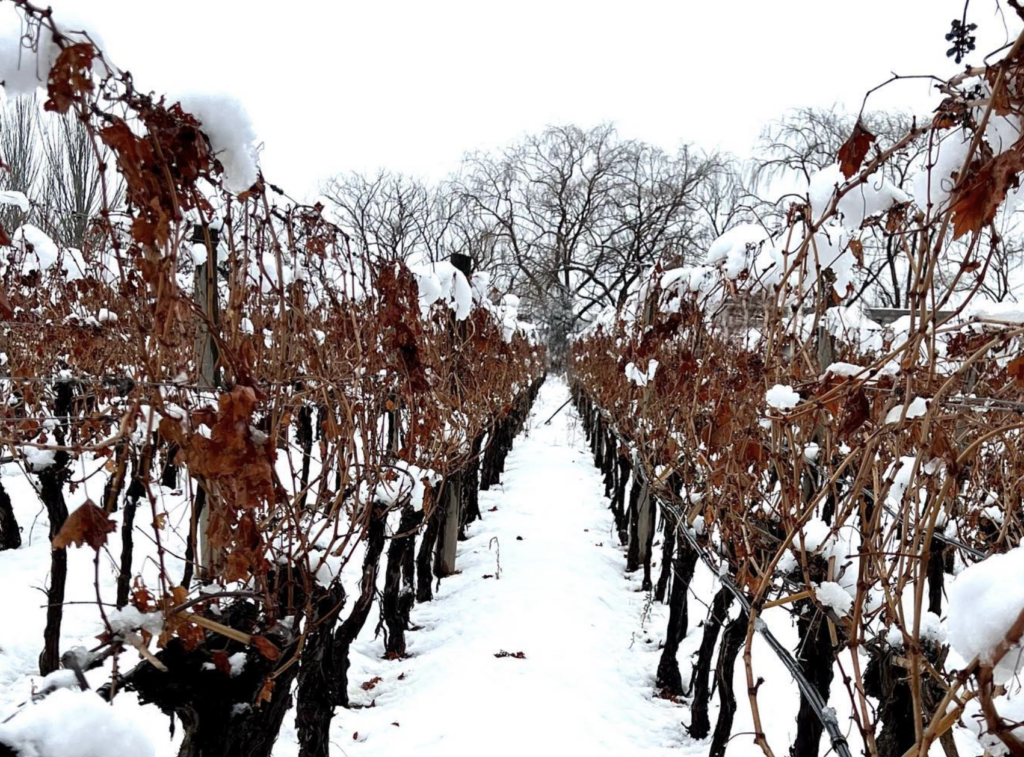
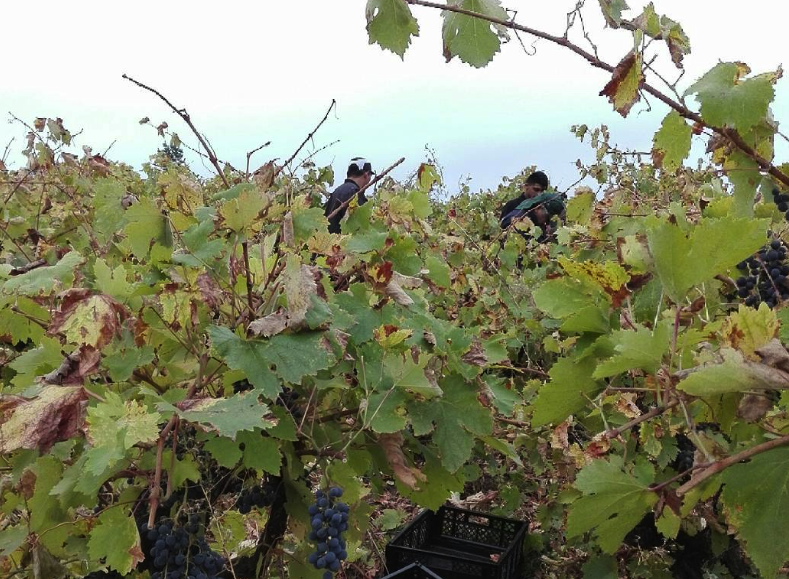
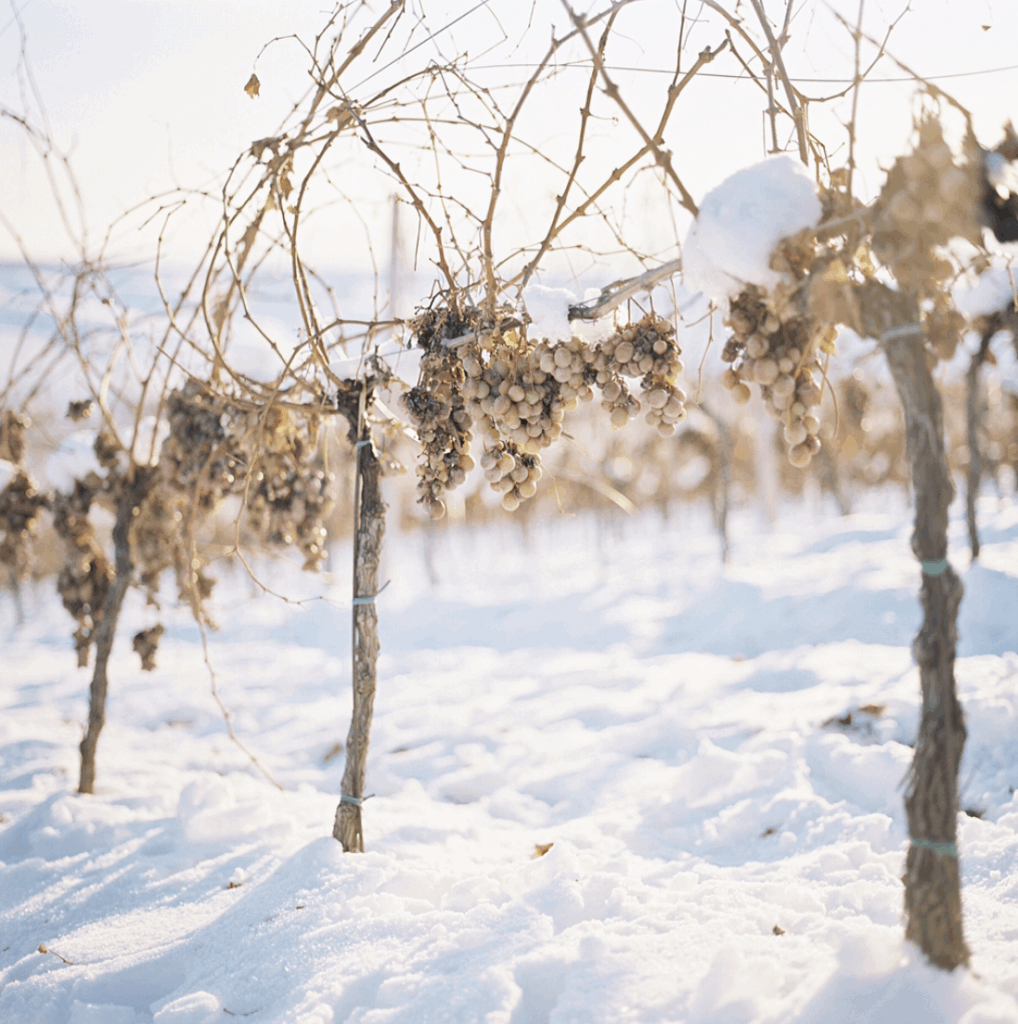
So the next time you reflexively dismiss a sweet wine for being ‘too sweet’ or worse, ‘bad’, please consider what you’re rejecting. That bottle of Sauternes or Eiswein is the product of an almost masochistic level of dedication. The vines have to grow in the perfect condition in order for the noble rot named Botrytis to settle in (for Sauternes) or the grapes to become frozen but not harmed (for Eiswein). These conditions allow the grapes to concentrate the sugars and flavors to extraordinary levels, but also reduce the yield greatly. These conditions are so hard to come by that some years, none are made.
Compare this to the industrial factories churning out thousands of cans of soft drink every day, where corn syrup or aspartame is injected with the precision of robots, and it’s pretty obvious which product comes from the hand of someone that actually cares; well, the people down in Atlanta for that red-branded cola probably care, but for very different reasons.
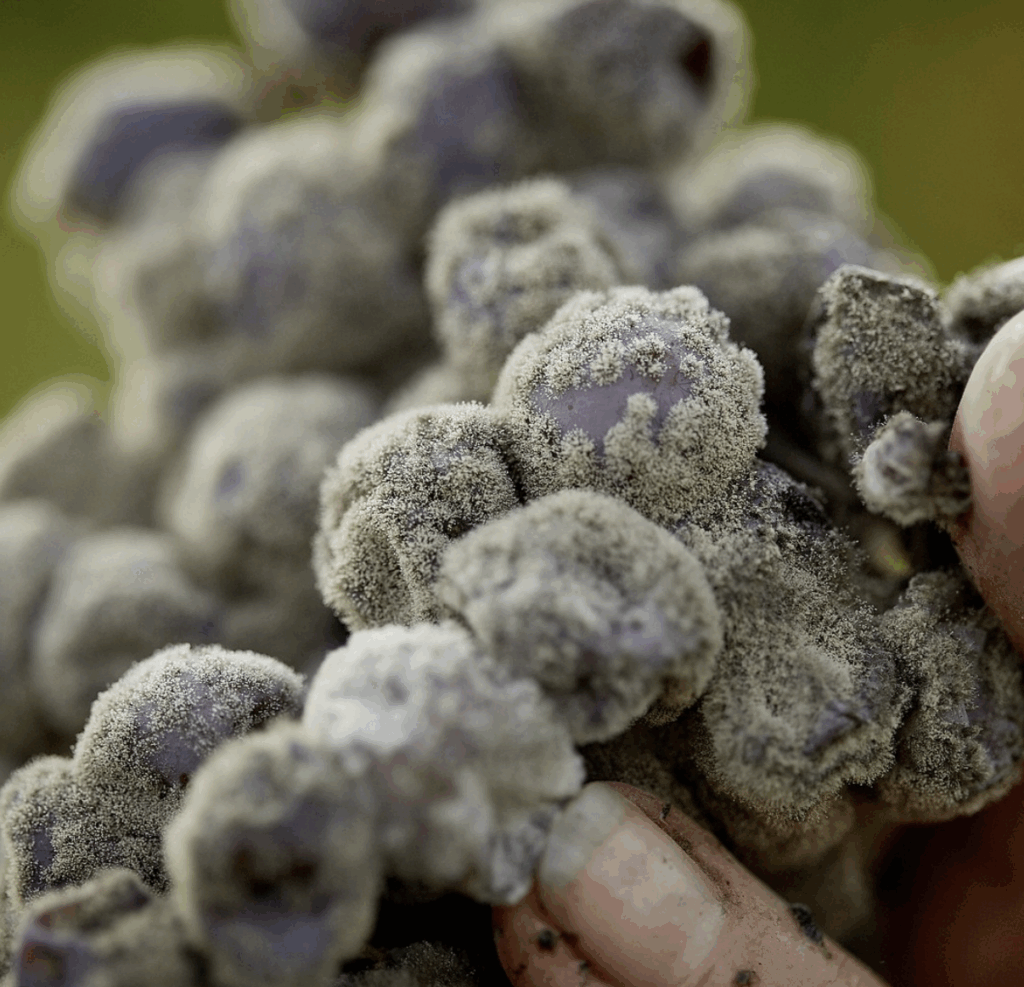
I’m not saying you should order that sweet wine just because it was hard to make. If you don’t like it, you don’t like it. But perhaps it’s time we show sweet wines the same respect we reserve for other labor-intensive luxuries. After all, if we can appreciate the complexity of a single-origin coffee or the precision of making the perfect pizza crust, surely we can acknowledge that a winemaker, who painstakingly monitors rotting grapes or harvests frozen grapes during the darkest hours of winter, deserves at least as much consideration as the person who makes that beloved $15 Sauvignon Blanc (pre-tariff).
Appendix
For those of you that are interested, below are some of my favorite regions for sweet wines:
- Hungary
- Tokaj, one of the world’s oldest sweet wine regions, produces the famous Tokaji wines from late-harvest or botrytis-affected grapes such as Furmint and Harslevelu. King Louis XIV of France described these wines as “the king of wines, the wine of kings.” Royal Tokaji, Oremus, and Szepsy are just a few of many outstanding producers.
- France
- Sauternes and Barsac in Bordeaux produce sweet wines from botrytis-affected grapes from Sauvignon Blanc and Semillon. Château d’Yquem is the most sought after producer by collectors around the world, but others such as Climens, Suduiraut, and Coutet are also outstanding.
- Coteaux du Layon, Quarts de Chaume, and Vouvray, in Loire Valley produce sweet wines from late-harvest or botrytis-affected Chenin Blanc. Domaine Baumard, Belargus, and Huet are some of the most well known.
- Alsace produces sweet wines from late-harvest or botrytis-affected grapes (only Riesling, Gewürztraminer, Pinot Gris, or Muscat are allowed) called Vendange Tardive or Sélection de Grains Nobles (SGN). Benchmark producers include Trimbach, Domaine Zind-Humbrecht.
- Germany
- Mosel, arguably Germany’s most famous region, produces sweet wines with Riesling across multiple sweetness levels from Spätlese to Trockenbeerenauslese. Grapes can be harvested really ripe, very late, botrytis-affected, or in the winter (Eiswein). The most famous producers are Egon Muller and J.J. Prum.
- Rheingau, Germany’s historic region known for their sweet wines from botrytis-affected or frozen Riesling. Benchmark producers include Schloss Johannisberg, Robert Weil.
- South Africa
- Constantia, South Africa’s oldest wine region, produces a sweet wine from Muscat Blanc a Petits Grains that dates back to the 18th century. Napoleon famously drank it in solitude during his final exile on St. Helena. Klein Constantia and Groot Constantia are some of the outstanding producers.
- Portugal
- Duoro Valley, home to Port wine, produces the fortified sweet wine from indigenous varieties such as Touriga Nacional and Tinta Roriz. Vintage Ports, the highest quality Port where only a single vintages’ harvests are used to produce the wine, are highly sought after by fans. Benchmark producers include Graham’s, Fonseca, and Kopke.
- Italy
- Ramandolo is a DOCG region within Friuli that is dedicated to the production of sweet wines from Verduzzo or Picolit. Grapes are harvested late or left to dry on the vines before being harvested. Giovanni Dri is possibly the most important producer of the region.
Reference
- https://www.forbes.com/sites/jillbarth/2022/02/22/a-new-sweetness-scale-is-required-on-alsace-wine-labels/
- https://www.jancisrobinson.com/articles/lean-v-lush-what-are-red-wine-drinkers-looking
- https://www.sfchronicle.com/food/wine/article/meiomi-pinot-noir-sugar-19811640.php
- https://vinepair.com/articles/caymus-wine-napa-cabernet/
- https://www.coca-cola.com/us/en/about-us/faq/how-much-sugar-is-in-coca-cola
- https://www.who.int/news/item/14-07-2023-aspartame-hazard-and-risk-assessment-results-released