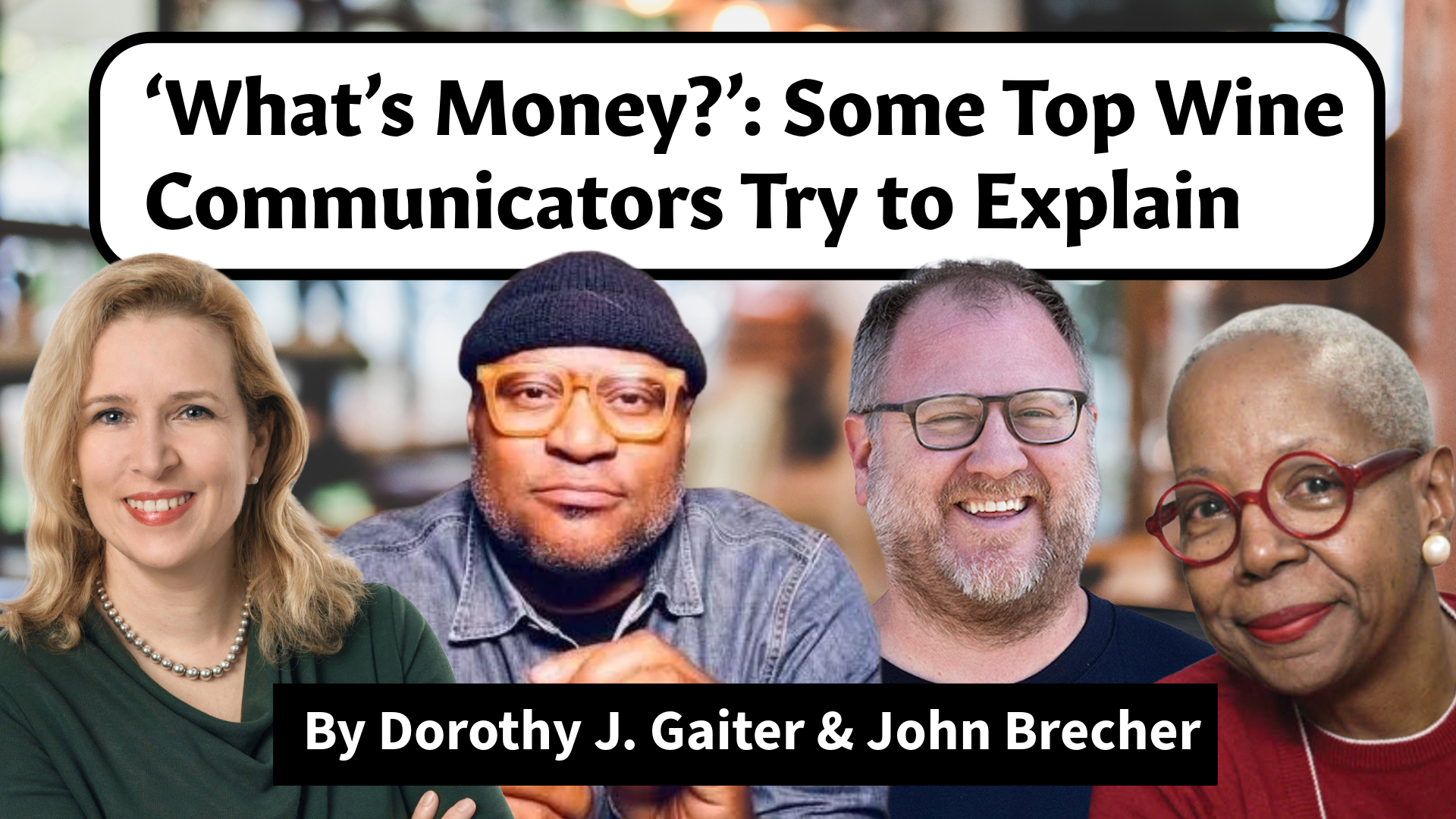
It’s tough out there for the little folks. The Urban Grape, a pioneering wine shop in Boston that did so much for its community, suddenly closed its doors, soon after its DC branch was shuttered. Coco Noir Wine Shop & Bar, in downtown Oakland, has posted pleas for donations to support “daily operations.” In our recent column, small winemakers told us again and again how difficult it is to compete these days in a consolidating industry with government regulations stacked against them. So imagine what it’s like for wine communicators at a time when newspapers are dying; it seems like anyone can be a journalist depending on the platform; and long-form writing may become a charming relic. The term “wine communicators” evolved to put others under the expanding tent that used to cover just “wine writers.”
You can imagine why, when we speak to young people who think they might want to become wine communicators, their No. 1 question is: How do I make any money doing this? It turns out there are some good answers to that question. The short version is to make your work into a brand that people trust. The long version is more complex. Helping to explore it are an expert known for his beanies and another who rarely shows his face on his feeds, which shows there is no one answer.
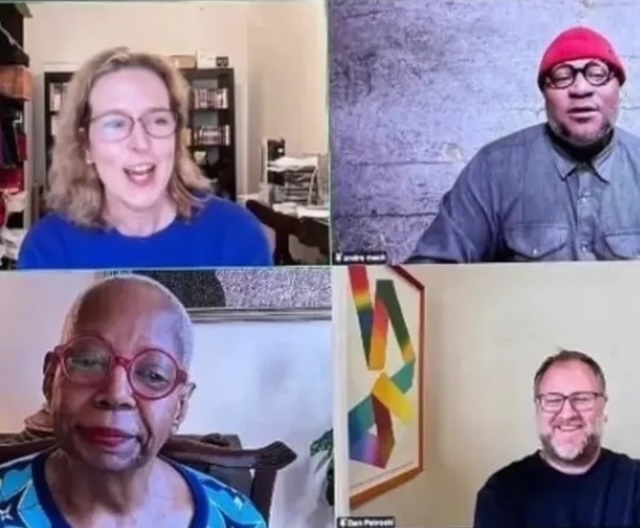
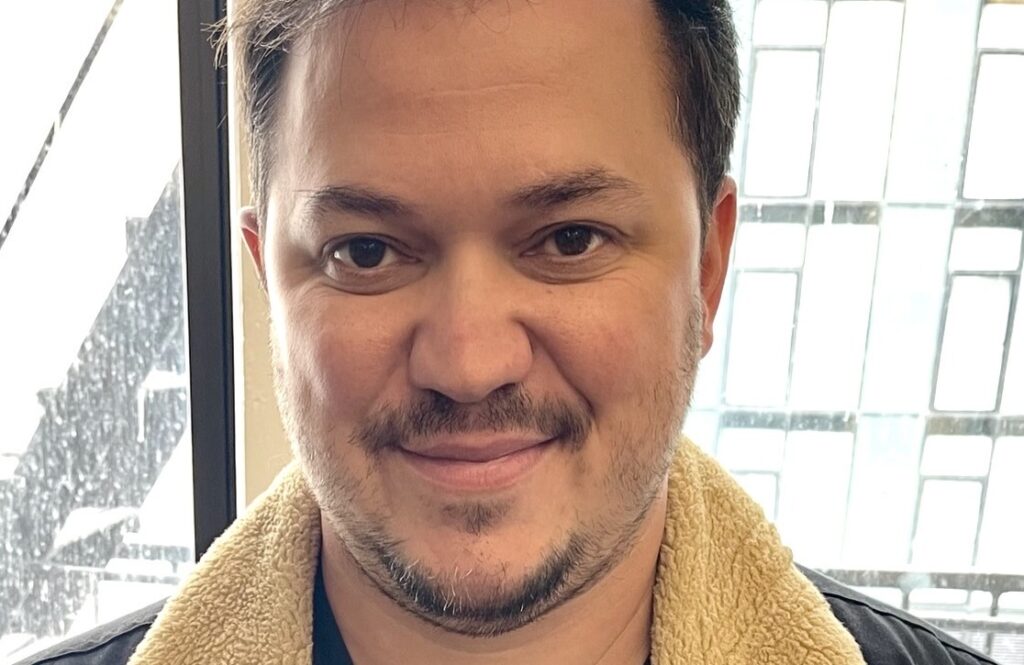
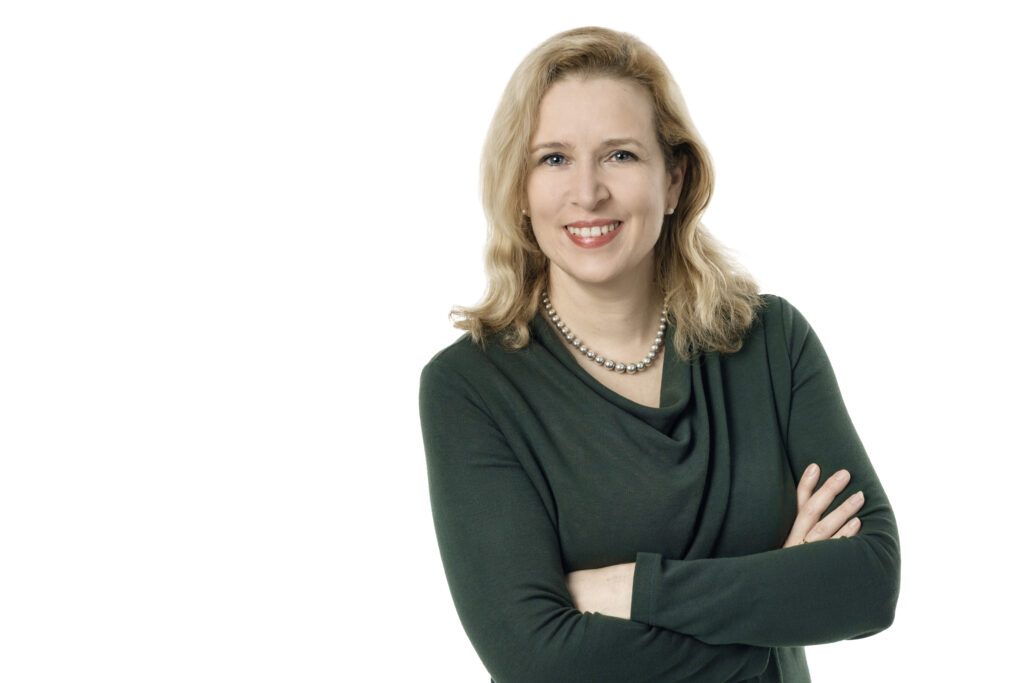
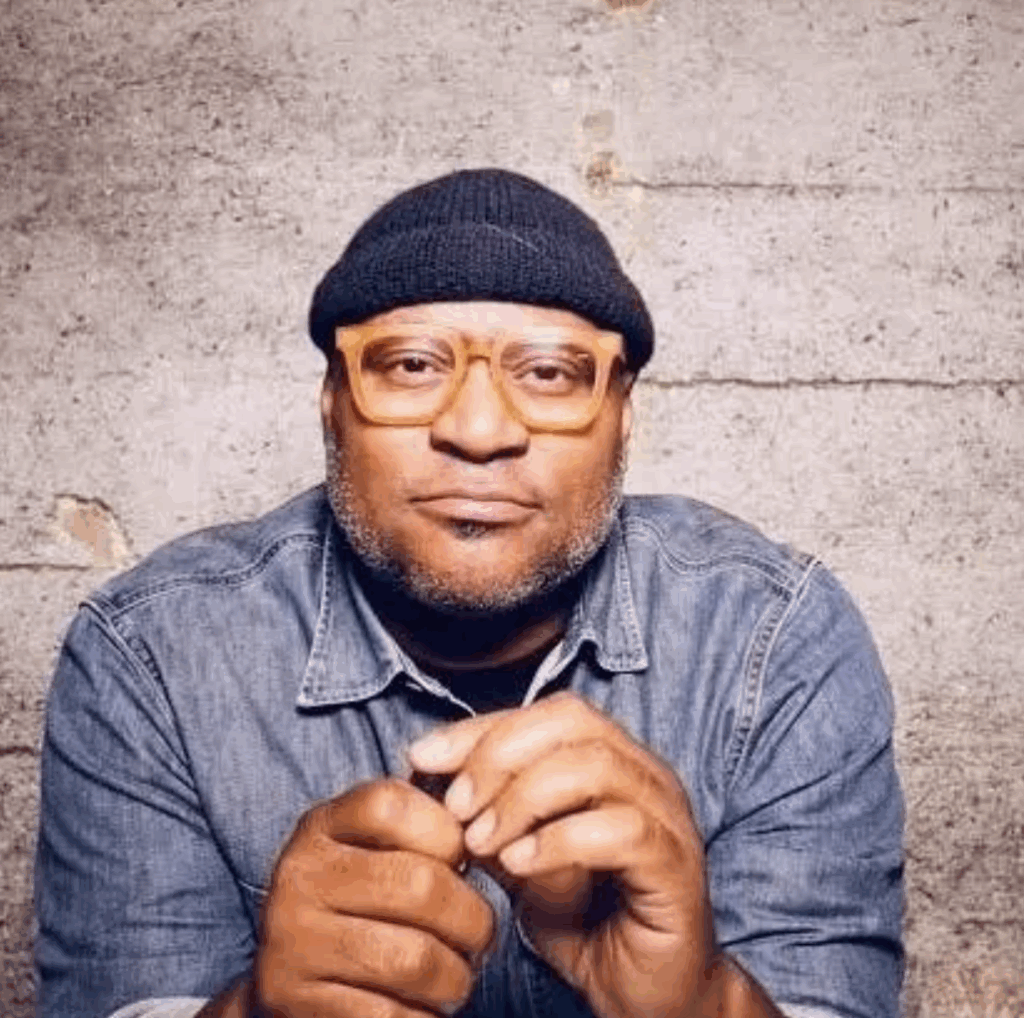
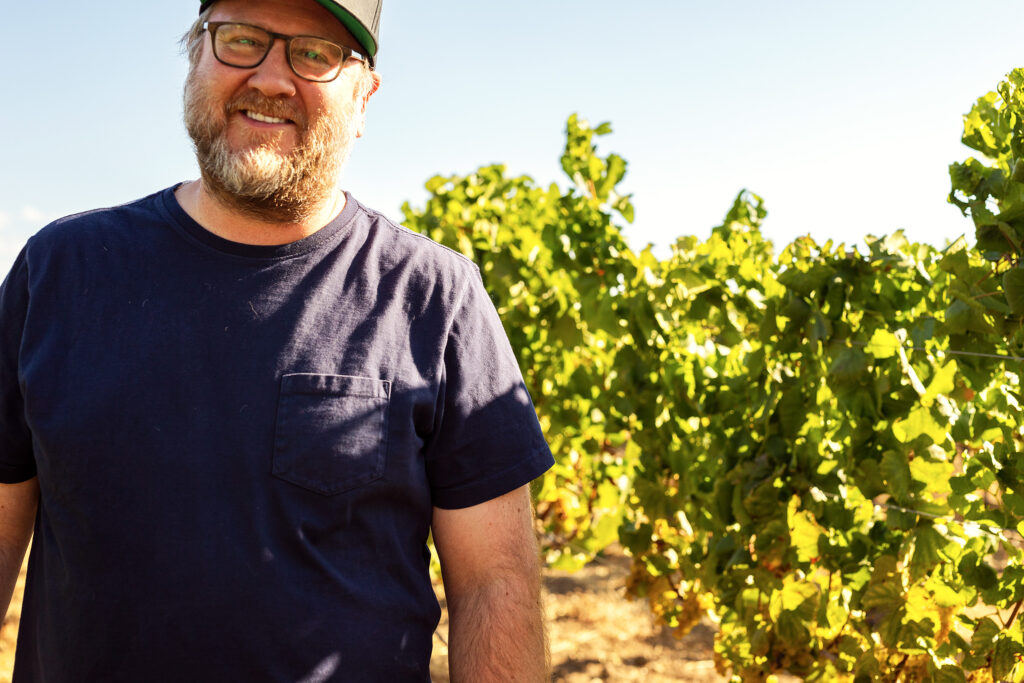
The Wine Writers Symposium, which was founded in 2005, hosted a free roundtable discussion on Zoom recently called “Contemporary Considerations for Wine Writers.” Felicity Carter, a well-known speaker and expert on the business of wine, was the moderator, and the panelists were Dottie, who conceived the idea for this discussion; André Hueston Mack, who is a sommelier, winemaker, serial entrepreneur, author, and widely known personality through his Bon Appétit videos and his ever-present beanie; and Dan Petroski, creator of Massican winery in Napa, publisher of magazines and an Italian cookbook, creator of a proprietary shade of blue and occasional maker of vermouth and beer. Dottie is a member of the board of the symposium, which is sponsored by Meadowood Napa Valley and the Napa Valley Vintners.
You can watch the discussion here. Carter put things into perspective right away: “I always used to say, marry somebody rich if you want to be a wine writer.” As old newspaper journalists who retired from full-time work before social media exploded, we were pretty well gobsmacked by what we heard about how technology combined with commitment and smarts can monetize wine knowledge.
Here is a very brief summary, which has been edited; we urge you to watch the discussion.
Carter: André, you have said that you are the product. What does that mean in practice?
Mack: Who you are and how you got there is unique in every way and you should embrace that and by embracing that, you become the product.
Carter: How has communicating about wine changed over the course of your career?
Dottie: I entered the space before social media so I was one of those people who didn’t look like they belonged. And our voice was different. We actually spoke to people the way people talk and that was not the way wine was being discussed. There was tremendous pushback from gatekeepers, but a huge amount of love and understanding from readers and actual winemakers.
Petroski: I think we’ve left the wine drinker behind and we’ve been basically operating in a snow globe talking to ourselves. And I think that has caused a little bit of a stunted growth of the entire wine journalistic community. I think there’s so much opportunity out there for wine journalism, wine criticism, wine reporting that can touch a lot of these narrow pathways, these niches as we want to call them, and everyone can find their fans.
Carter: What do you think are the most important technical skills?
Mack: Just turn the camera around and start talking to it. You can get somebody to edit. You can get AI to edit or whatever.
Petroski: Technical skills are important, but I think the content you bring to that is most important. It’s a problem because we can’t control the algorithm. But at the same time, it’s an opportunity. It’s not that hard to be accessible in today’s era of social media. I’ve answered every email in 17 years, I’ve answered every DM in 17 years. And it’s been posted about on wine boards saying, the winemaker wrote me back!
Carter: What sort of stories does your audience like and has that changed over time?
Dottie: We always said that we didn’t write a wine column. We wrote a lifestyle column. We wrote a column about life, how to live with wine, how to have it in your life. And I think that’s what people want to know. We did things that were real. And I think there’s a real longing for real connections.
Petroski: We have to think about the other side of the screen or the other side of the page more than we do in the wine industry. Wine is the product that we consume, but where do we consume it? How do we consume it? Who do we consume it with? Those are the things that create the greatest connections.
Mack: I think what really resonates are just genuine stories about how I learned about wine, how I think about wine. I got into wine by watching old episodes of Frasier, and 18 months later, I was the sommelier at the French Laundry. So, in that 18 months, what happened? I think that’s what they want to hear.
Carter: How much is it about you and how much is it about the story?
Dottie: Our column is our take on something. It is very personal.
Petroski: For 15 years I’ve never posted a selfie, but I can go to any city in America on a wine trip and meet wine community or meet consumers and they all know I love Nebbiolo, I love Barolo, and I love martinis. So for 15 years I’ve created this image of who Dan Petroski is as a wine drinker, a white-wine maker who loves Piedmont and a martini and that I’ve created that image around myself without anyone ever seeing who I am. I allow other journalists of the world to kind of tell my story or allow me to tell my story through their written journalistic pieces. But I rarely tell that story of myself online.
Carter: Do you see a difference between a journalist, somebody who is talking to wine consumers, somebody who’s an influencer, somebody who might accept money for brand purposes?
Petroski: I think of journalism as the arc underneath it. You have the critics who have produced the scores. You have the reporter who writes about the news. You have the influencer who is more brand-affiliated and focused and going on junkets and trips and social media. You have the storyteller who is going to be more lyrical. I think you start to think about that under the brand of journalism as an arc, and you can actually start to define your role in the space, and it’s really hard to do all of those things.
Carter: Who are you working for? Who primarily is your audience?
Mack: I think my audience is more people wanting to be educated. But ultimately, I’m working for me if I want to answer that question truthfully. I get up every day and I do what makes me feel great and authentic. And then you have different categories. And so when I get hired by a brand, I understand who I’m talking to. I don’t work with a brand if it doesn’t resonate with me and it doesn’t resonate with my audience.
Dottie: I consider myself a journalist. I feel like I am working for the public and I feel good about that. I think people have come to trust my voice. I am who I am, and they know what they’re getting when they read a John and Dottie column.
Carter: Do you make money from your communicating or is it all purely you’re a winemaker and the communicating is what you do on the side?
Mack: A lot of my income actually comes from the wine business, from making wine. But a lot of my money also comes from social media posts, for giving speeches, talks, panels, brand deals, going on trips, hosting events. So there’s money there, but they’re generally with the brands.
Carter: Somebody in the chat just said, “What’s money?” What do you think is the best evergreen way to reach audiences? Is it traditional email marketing or newsletter or something else?
Petroski: I would say in person. For me, for 10 years, almost every single week I got on the airplane and went to a market. That’s actually how I built my Instagram following was having those people that I was in front of each week follow me and follow along on the journey. I still email, but I adapted to text messages about a decade ago. Most people don’t change their phone number and it was a direct way that I could market to them. And then there’s different apps and software that can help you manage that. So normally if I’m flying, let’s say, to any place like Dallas, as soon as we hit down in Dallas, I turn on my app and it’ll tell me the top five people who spend the most money with me in the Dallas metro area. And then I might shoot them a text and say, Hey, you want to come meet me at the Four Seasons bar? I’d love to buy you a drink and say hello. So constantly engaging with them, but it was always in-person first.
Carter: What software do you use, André?
Mack: I use a thing called SuperPhone. It’s hooked up to my online system. So anybody who buys anything from me, they go into this database and collectively it tells you how much they’ve spent with you over the years and then where they live. And then every morning when I get up, it’s a whole list of birthdays and then I decide the ones that I want to write longer messages to and that kind of stuff. It uses AI to help, to remind me to stay in touch with people. So if I haven’t talked to Dan in say two weeks, it will automatically text Dan or it will prompt me to say that I need to text Dan.
Carter: Dan, what do you use to stay in touch with people?
Petroski: A personal email. Anyone who visits a Massican website and signs up for the email list or buys a bottle of wine gets a personal email from me. What I’ve learned early on, 75% of the people write me back and they write back prompted by a question: How did you find out about us? So immediately as a brand, my communication methodology is accessibility. And with that, now I know where you live, if you’re male or female and how you found out about us and if they purchased, I know your age. And that demographic profiling of that person allows me then to potentially market to them in the future.
Carter: Is it a better strategy to pick one platform — TikTok or Instagram or YouTube and focus — or is it important to participate in multiple channels?
Mack: I say all of them because you never know what will resonate on a different platform or not. It could be the exact same content or you could change just a little bit of it. It could be the same caption, but a different photograph. So the people who follow on all of the platforms will see that it’s a variation and they’ll be more inclined to follow. You never know what will hit something on. TikTok may hit bigger than something on Instagram or YouTube at this point.
Petroski: My biggest regret in wine communication has been not spending more time on Vivino and Reddit. I mean, there’s where the audiences are in mass, but I still tend to focus on smaller niche audiences.
Question from a participant: What should it look like for you to sell yourself or help people understand that you’re available for an opportunity?
Dottie: You have to develop a thick skin because people will say no, but you have to keep going. You have to really believe in what you want to do and that you can do it. Your job is to convince someone else that you can. So you have to just keep at it and a door will open.
Mack: Slide into the DMs. Pitch it to them right there. Say what you want to do. Don’t be afraid that they will take your idea and use it with somebody else. Say that you want to do it, say you’re the reason why, but also be consistent. If you’re on social and you’re telling them what you want to do, the most natural thing they’re going to do is go to your profile and look at what you do.
Petroski: I would go with just be known as an expert in what you are confident in. Make people come to you because they know you are the foremost writer-influencer on the Loire Valley, or like the way Jon Bonne is on New California, or Alice Feiring is on natural wine. They have created an aura around themselves that if they’re not part of the conversation, the conversation isn’t happening. It’s a lot easier to have people call you than you to be pitching your ideas. So stop throwing paint against the wall and focus and be known for something.
Dorothy J. Gaiter and John Brecher conceived and wrote The Wall Street Journal’s wine column, “Tastings,” from 1998 to 2010. Dorothy and John have been tasting and studying wine since 1973. In 2020, the University of California at Davis added their papers to the Warren Winiarski Wine Writers Collection in its library, which also includes the work of Hugh Johnson and Jancis Robinson. Dottie has had a distinguished career in journalism as a reporter, editor, columnist and editorial writer at The Miami Herald, The New York Times, and at The Journal. John was Page One Editor of The Journal, City Editor of The Miami Herald and a senior editor at Bloomberg News. They are well-known from their books and many television appearances, especially on Martha Stewart’s show, and as the creators of the annual, international “Open That Bottle Night” celebration of wine and friendship. The first bottle they shared was André Cold Duck. They have two daughters.