What does the future hold? Here are some predictions, from A to Z, in very brief form.
Authenticity. There is quite a bit of buzz that what young consumers want in wine now is authenticity, as opposed to a corporate product with a fanciful label about a brand named after Ma and Pa’s three-legged pony.
Billionaire. Wineries have been a plaything of rich people for some time now, but we’re guessing that, with more distressed vineyards and more billionaires, we’ll see that accelerate, perhaps with some particularly well-known rich people buying storied properties.
Canada. The trade war has already created disruption in the beverage alcohol industry on both sides of the border, but the effects are going to grow throughout the year and become a larger discussion.
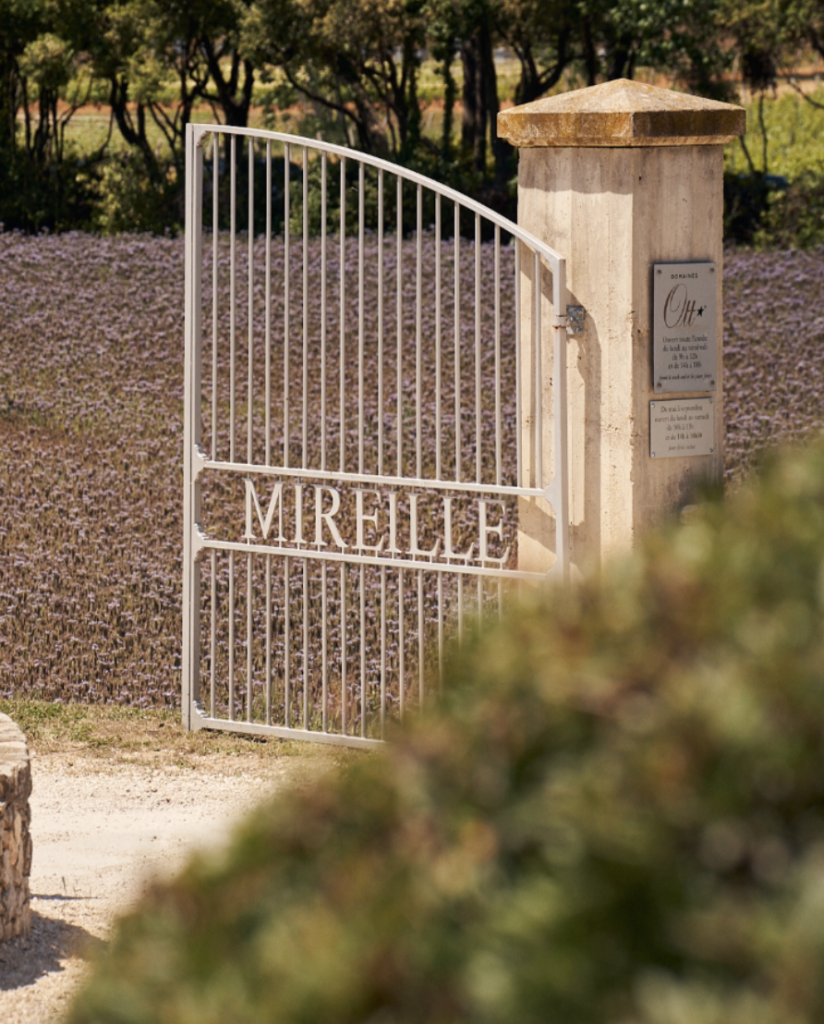
Domaines Ott. This is already a famous rosé from Provence, but with Mike White and HBO situating the fourth season of “White Lotus” in the south of France, get ready for this to become even cooler.
EXCLUSIVE! With a glut of grapes, we expect that more and more of the excess will become private-label, not-inexpensive “exclusives” that have some sort of backstory like “this is actually over-production Screaming Eagle [or Lafite]!” It’s not.
Fun. For some years now, wine writers have been saying that we need to make wine “less intimidating” or “simpler.” The new word is “fun,” which seems OK to us.
Gen Z. Everybody in wine is talking about Gen Z. First, wine was dying because Gen Z didn’t drink it. Now Gen Z is drinking it after all, just not what or in the manner that the industry had anticipated. We don’t know which will turn out to be correct, but we do know this question will be trending all year.
H-2A. This is the immigration visa program that allows seasonal farmworkers into the U.S. Vineyards and other agricultural endeavors need workers and the crackdown on immigration has already affected harvests. We expect this will be an even larger issue.
Indigenous. One of the great trends in wine over the past couple of decades is that winemakers are rediscovering the indigenous grapes of their regions. With climate change affecting vineyards everywhere, we’d guess efforts to find grapes that are naturally suited to a place will accelerate.
Judgment of Paris. This will be the 50th anniversary of the famous tasting in Paris that affirmed the excellence of winemaking in California and ignited a revolution in the U.S. fine-wine industry that reverberated globally. There’s even going to be an opera.
Kirkland Signature. With a grape glut, there is bound to be a new Two-Buck Chuck, that very inexpensive wine that everybody loves to love because it shows you are not a snob — and, by the way, it’s actually overproduction Lafite or Screaming Eagle. We don’t know who’s going to hit the right note this time, but we’d think Costco is a good bet, since it already sells so much wine, including its Kirkland Signature brand.
Low alcohol. If you think the battle over alcohol is hot now, wait a few months. With all medical science being challenged these days, the no-alcohol, low-alcohol trend is just ramping up. Gen Z may be driving this trend.
Merger. With wineries and vineyard owners suffering now, we feel sure we will see some very large mergers or takeovers in the wine industry. We’ve reported that some industry insiders feel that there are way too many labels out there and that wine-curious consumers feel overwhelmed by the number of choices.
Neo-Prohibition. There’s been an undercurrent of this for a long time in the U.S., but it’s getting stronger. Expect major news on this in the next year.
Ozempic. GLP-1 drugs are all the rage, and there’s some indication that they not only suppress desire for food, but also alcohol, including wine, and ultimately, some say, the community that comes with the sharing of those things. It’s one more obstacle wine is facing right now.
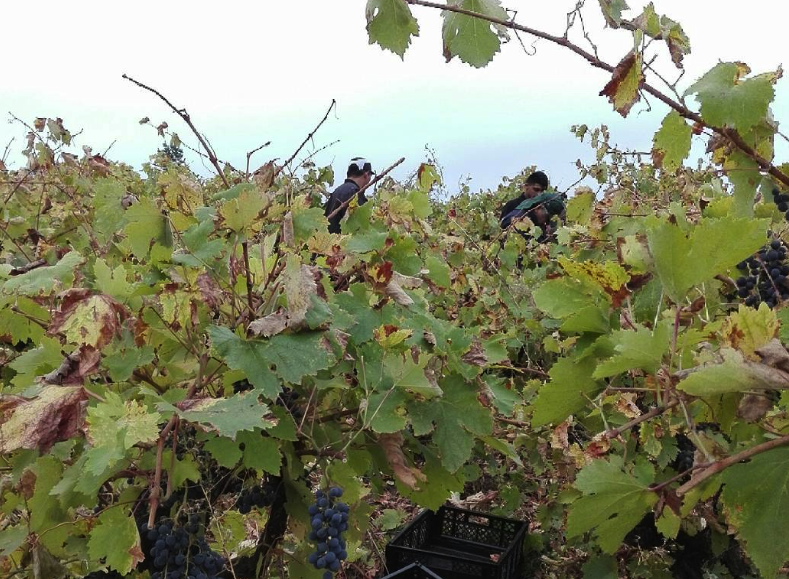
Pistachios. Thousands of acres of vineyards were pulled up in 2025 as grape prices fell. They have been replaced with pistachios, along with almonds, lemons and other crops.
Quevri. We’re not sure about the state of natural wine — has it peaked or just plateaued? — but some of the winemaking techniques used in making natural wine have become somewhat popular. A quevri is a clay pot used to make wine in Georgia, whose wine industry itself is making a big push these days, and clay pots or clay eggs, in use for centuries there, are pretty hot among some cutting-edge winemakers elsewhere.
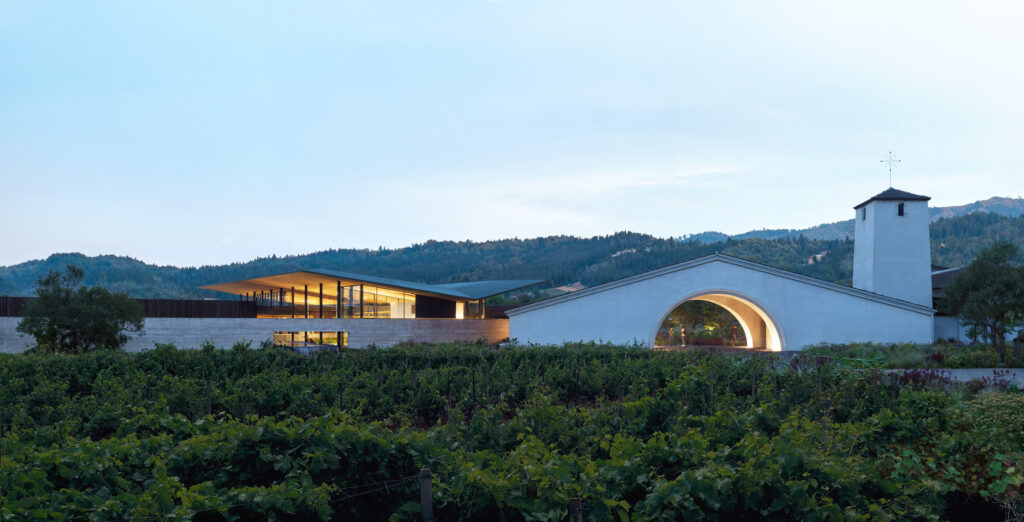
Robert Mondavi Winery. The iconic Napa winery is scheduled to reopen in May 2026 after years of renovation. Be prepared for many stories about the stunning design, the visitor experience, the history, the food and the wine. Since this was the first winery we ever visited, way back in 1975, we’re excited about that. As you can see in the rendering, courtesy of the architectural firm spearheading the project, Aidlin Darling Design, the renowned arch and tower remain.
Substack. That’s where wine writing is going these days. Here are some recommendations from former Washington Post columnist Dave McIntyre, who has his own.
Taylor Swift — because, really, how long can it be before she has her own wine brand, especially one she can pour at her wedding? (Just a thought: Gallo is the official wine sponsor of the NFL and since she’s marrying an NFL star, that sure seems like a good marriage, too.)
Urban Grape. The retail store/community supporter suddenly closed both its Boston and DC locations in 2025. They cited an inability to come to terms with lenders, but many small, independent wine shops are struggling. It’s tough to keep a personal, truly helpful wine store alive in an era of Total Wine and Costco, and they need and deserve your support.
Virtual sommeliers. You didn’t think you’d get all the way to the bottom without some mention of AI, did you? Virtual sommeliers — let’s call them VSomms — are already buzzing around and we’d bet they will really break out soon, since so many people don’t feel comfortable around the real thing and would rather ask AI what wine they’d like. Whatever makes consumers more confident is OK with us, but our wine life over the past 50-plus years would have been far less exciting and fulfilling if we hadn’t met human sommeliers with passion, knowledge and an ability to read a table.
Wine Improvement District. WIDs impose a small “assessment” on wineries for tastings or direct-to-consumer sales. Supporters say they help wine areas in many ways, including marketing. But they are highly controversial, with some wineries saying the last thing they need is another tax on consumers, who of course, would ultimately bear the added cost.
X, Gen. This cohort is central to the wine industry right now. Whenever the discussion turns to Z, X will be part of it.
Year of the Century. In our experience, pretty much every vintage is declared the best ever, but it seems to be true that 2023 was special in Napa. The high-end reds from there will be released soon and, even if you are not a wine geek, expect to hear the hype.
Zinfandel. This is really just a hope, but maybe the resurrection of Ravenswood will lead to renewed interest in this great grape and wines with more restraint and structure.
Dorothy J. Gaiter and John Brecher conceived and wrote The Wall Street Journal’s wine column, “Tastings,” from 1998 to 2010. Dorothy and John have been tasting and studying wine since 1973. In 2020, the University of California at Davis added their papers to the Warren Winiarski Wine Writers Collection in its library, which also includes the work of Hugh Johnson and Jancis Robinson. Dottie has had a distinguished career in journalism as a reporter, editor, columnist and editorial writer at The Miami Herald, The New York Times, and at The Journal. John was Page One Editor of The Journal, City Editor of The Miami Herald and a senior editor at Bloomberg News. They are well-known from their books and many television appearances, especially on Martha Stewart’s show, and as the creators of the annual, international “Open That Bottle Night” celebration of wine and friendship. The first bottle they shared was André Cold Duck. They have two daughters.