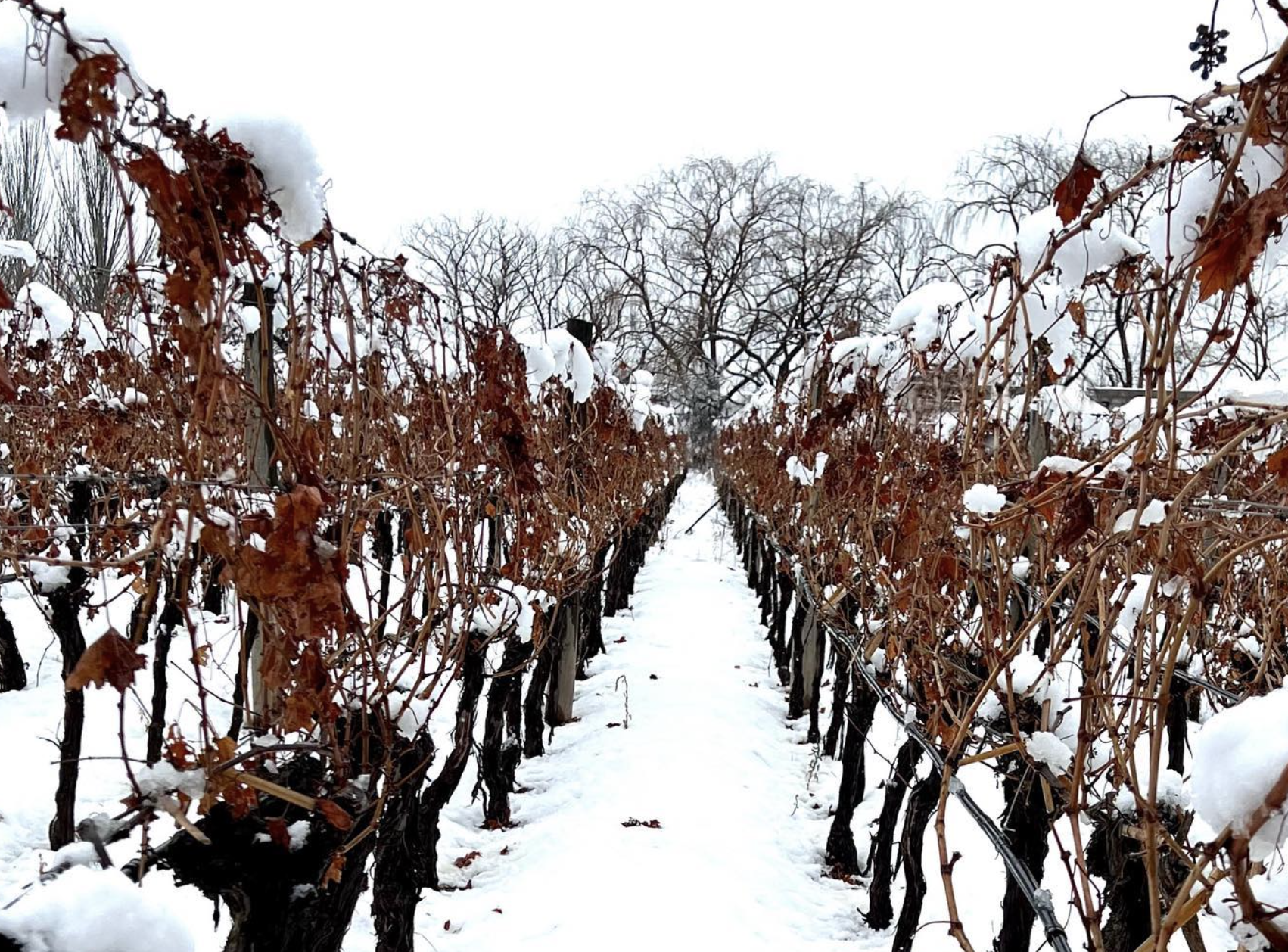
Say “Mendoza” and wine and the first word that comes to mind is Malbec. The region built its modern reputation on that grape, after all Argentina produces roughly 75% of all Malbec in the world. Pinot Noir, if it enters the Argentine conversation at all, sends most people’s minds south, far south to Patagonia.
Patagonia’s Pinot Noir credentials are genuine and hard-won. Bodega Chacra, the most celebrated producer, a partnership between Sassicaia’s Della Rochetta family and Burgundian Jean-Marc Roulot, has been making Pinot Noir since roughly 2004. So when Laura Catena and Roy Urvieta began touting the extreme high-altitude parcels of the Uco Valley for Pinot Noir, they were pushing against established perceptions of suitability.
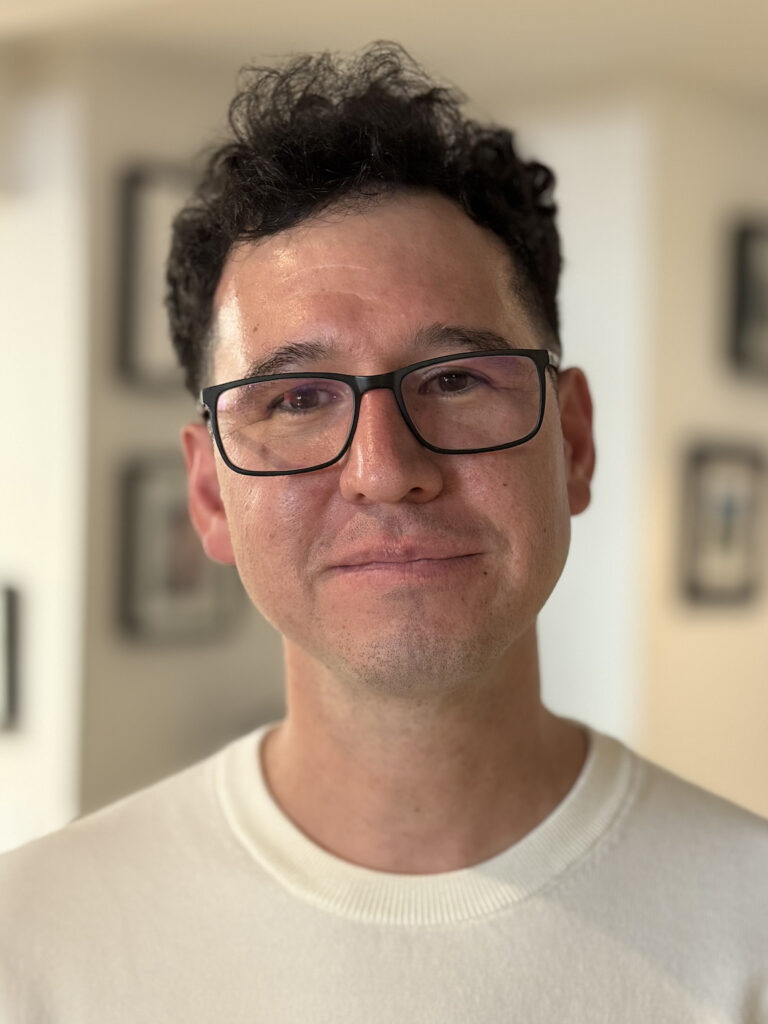
When Roy Urvieta (photo below) walked into Grape Collective this week with his four site-specific Uco Valley Pinot Noirs, he brought with him a new chapter to the Mendoza wine story. As winemaker for Domaine Nico, Roy is the scientific and creative engine behind an ambitious wine project rooted in Burgundian philosophy but shaped by the extreme conditions of Argentina’s Uco Valley.
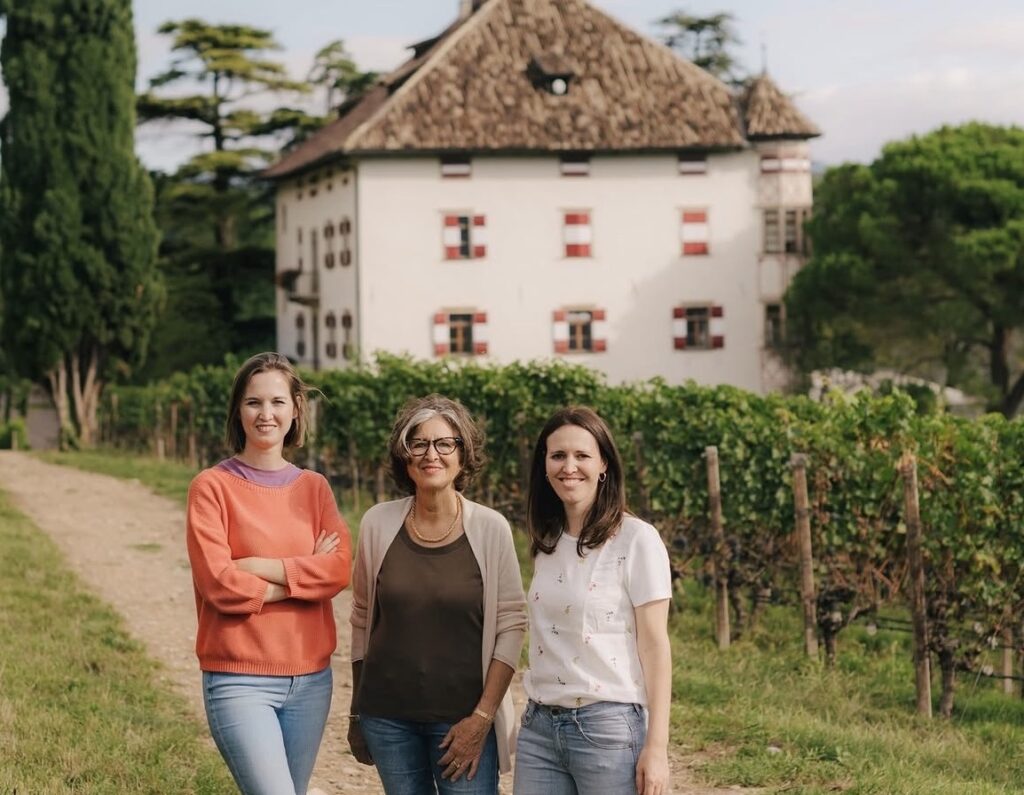
Domaine Nico is, at its core, a family affair with an international soul. The project was conceived by Laura Catena, one of the most influential figures in Argentine wine and a fourth-generation member of the family that built Catena Zapata. The winery’s name carries deep personal meaning: Nico is short for Nicola, Laura’s daughter, whose name in turn pays homage to Nicola Catena, Laura’s great-grandfather and the founder of the Catena winery in 1902.
At fifteen years old, Laura Catena left Argentina to live alone on a French farm, working on the land and studying art. She read Sartre and Camus and developed a francophile’s sensibility. The wine is called Soeur et Frères (Sisters and Brothers), a deliberate inversion of the French convention of putting Frères before Soeurs. It’s a small, pointed act of feminine reclamation wrapped in a Burgundian homage.
Laura’s father planted the first Pinot Noir vines in Villa Bastías, Tupungato, back in 1993, working with clones 115, Pommard, Swan, 113, 777, and 114. The goal from the beginning was ambitious: to understand what Argentina could produce with Burgundy’s most temperamental grape. By 2008, Laura assembled a dedicated team to accelerate the research, bringing together winemaker Belén, director Alejandro Vigil, and Roy Urvieta.
In 2016 after years of separate microvinifications and parcel studies, the team made a decisive move: they bottled the five individual parcels for the first time. Domaine Nico was officially born.
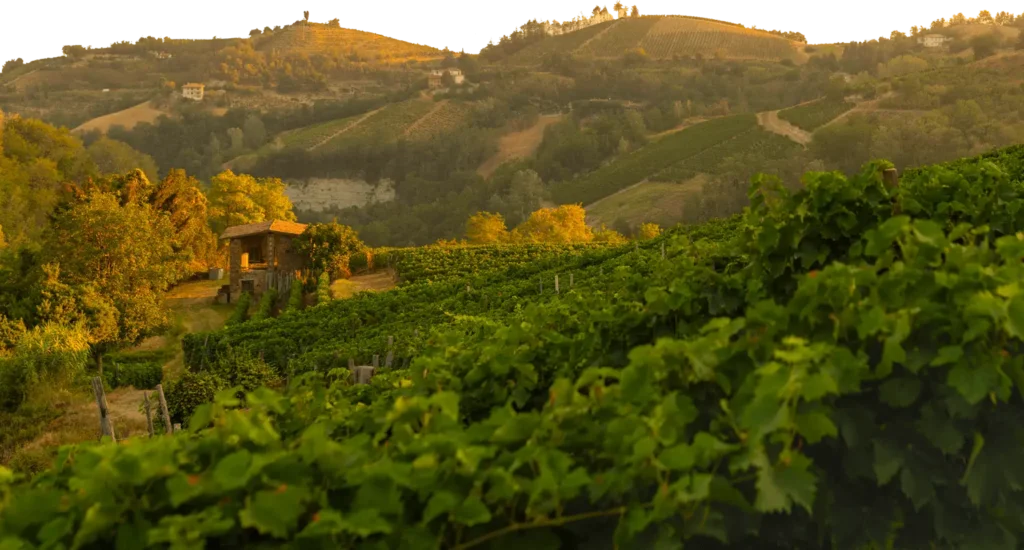
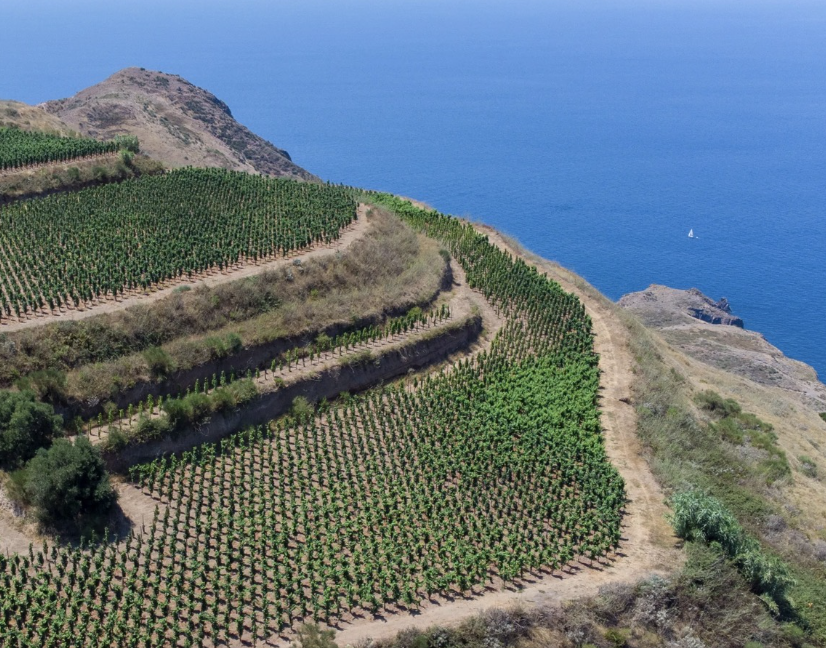
The vineyards sit between 3,675 and 4,921 feet of elevation, spread across small parcels within the Uco Valley, from Villa Bastías to Gualtallary, all within the Tupungato region. The soils are limestone of alluvial origin. The climate is cool. The sunlight intensity at this elevation is exceptional, extending the growing season and concentrating flavors without sacrificing acidity or elegance. Domaine Nico produces wines through fifteen different microvinifications, each fermented with indigenous yeasts. Some lots use whole cluster fermentation which adds structure, spice, and a tension to the wine and the aging takes place in French oak barrels.
In particular we liked the La Savante Pinot Noir sourced from an older, limestone-rich parcel at about 4,800 feet in elevation. The wine offers bright minerality, medium tannins, delicate raspberry notes and a very linear backbone of bright cherry.
Wine has always moved forward on the strength of people willing to ask whether the conventional wisdom is actually correct. Roy Urvieta and Laura Catena asked that question about Mendoza and Pinot Noir, and they asked it with decades of research and an unwillingness to accept what everyone already believed.
For more on Catena and Mendoza:
Laura Catena on Science, Culture and How Argentine Malbec Fits In With The World’s Greatest Wines