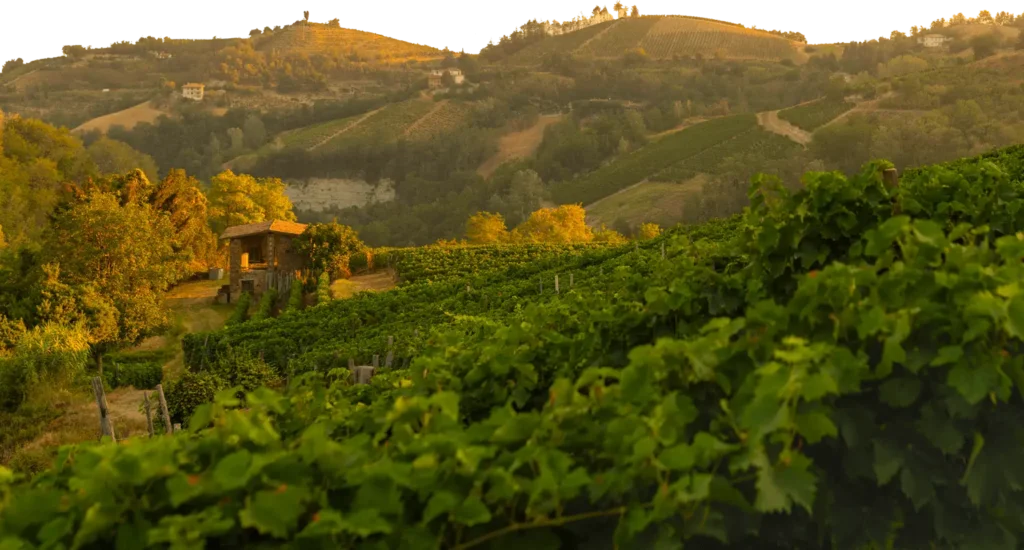
Piedmont may be best known for its red wines, from the legendary Barolo and Barbaresco to everyday Barbera and Dolcetto, but another wine tradition has existed in the region for more than a century: traditional method sparkling wine. Alta Langa is a relatively new Italian wine denomination (in 2002), yet its history dates back to the 19th century, when the House of Savoy brought French influence and a fascination with Champagne to Turin. Local producers soon began experimenting with Pinot Noir and Chardonnay in the cooler, higher-altitude vineyards, helping establish Italy’s oldest traditional method sparkling wine region.
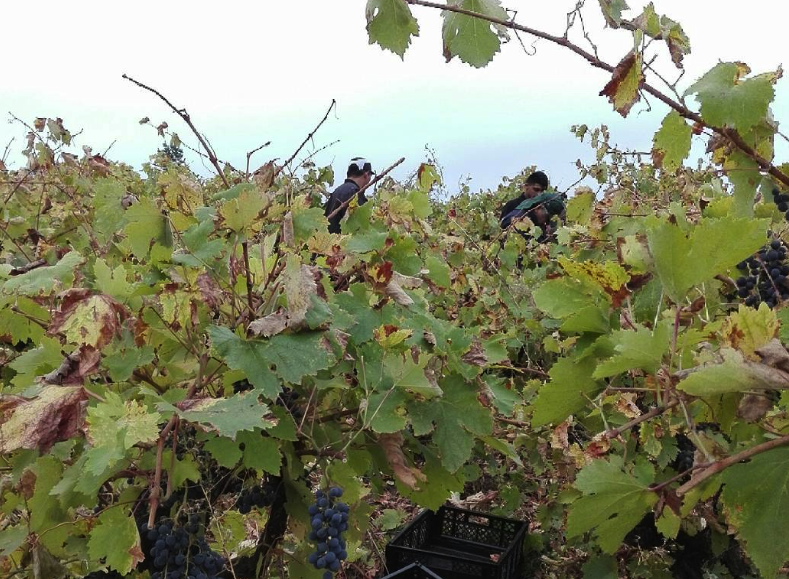
Today, Alta Langa DOCG remains something of an insider’s wine, consumed mostly within Italy, due in part to its relatively small-scale production. Vineyards are often planted on steep, forested hillsides where much of the work must be done by hand, and many producers wait close to a decade before releasing their first bottle. Alta Langa sparkling wines tend to be structured, savory, and food-friendly, combining bright acidity with depth and texture gained from extended lees aging. While comparisons to Champagne are inevitable, the wines have a distinct Piedmontese flair, tied to the region’s landscape and cuisine.
The denomination’s first major New York tasting, in March of this year, brought together 29 producers and offered a rare opportunity to explore the breadth of Alta Langa and the category’s growing consumer interest. Following the tasting, Grape Collective’s Lisa Denning caught up with Paolo Rossino, Director of the Consorzio Alta Langa, by email to learn more about the area’s identity, terroir, and growing international ambitions.

Lisa Denning: Alta Langa has a long history, yet it’s a relatively recent official wine denomination, receiving its DOC status in 2002 and being elevated to DOCG in 2011. Can you tell me about the seven founding wineries and how they set the standards?
Paolo Rossino: Consorzio Alta Langa was founded in 2001 following more than a decade of research and experimentation carried out by seven historic sparkling houses, the “Seven Sisters”: Riccadonna, Gancia, Martini & Rossi, Fontanafredda, Contratto (then Enrico Serafino), Cinzano (then Giulio Cocchi). These pioneering producers shared a vision to revive Piedmont’s historic sparkling wine tradition through a high-quality Metodo Classico rooted in the hills of Alta Langa. Together, they established the denomination’s rules and identity by focusing on altitude-grown Pinot Noir and Chardonnay, vintage-only production, and long lees aging.
Can you tell me about Alta Langa’s terroir and why it has proved so well for sparkling wine production?
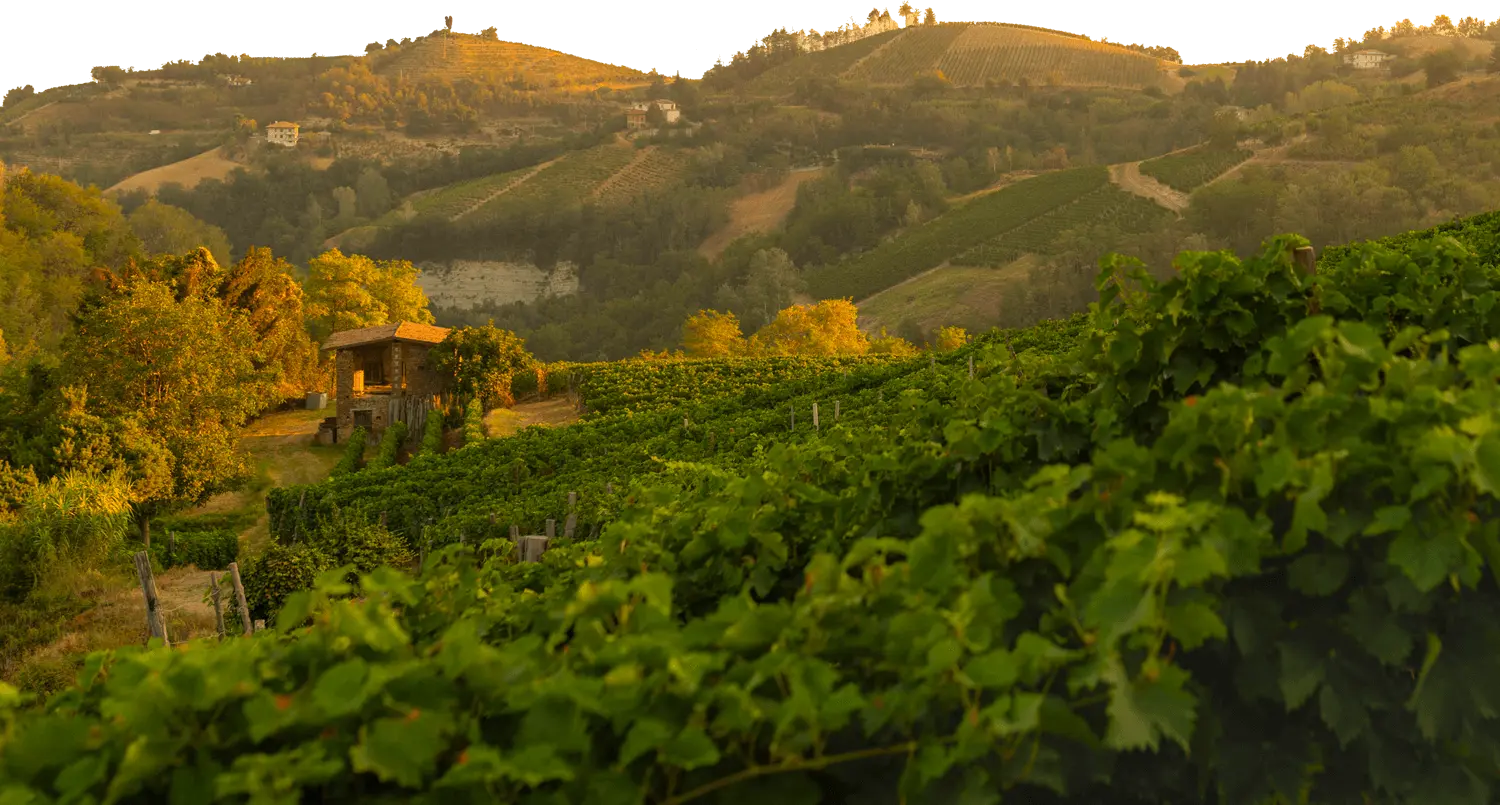
Alta Langa DOCG’s terroir is naturally suited to sparkling wine, thanks to its limestone-rich soils, which derive from its ancient marine origins, elevation, and pronounced day-night temperature variations. The vineyards are located across the hills of Alessandria, Asti, and Cuneo, between 250 and 800 meters (average altitude is 450 meters). The cooler climate allows slow ripening, which is essential for preserving acidity and aromatic finesse. At the same time, the calcareous soils contribute minerality and structure. This combination gives Alta Langa DOCG wines tension, verticality, and longevity.
What are the biggest practical challenges for growers working this type of terroir?
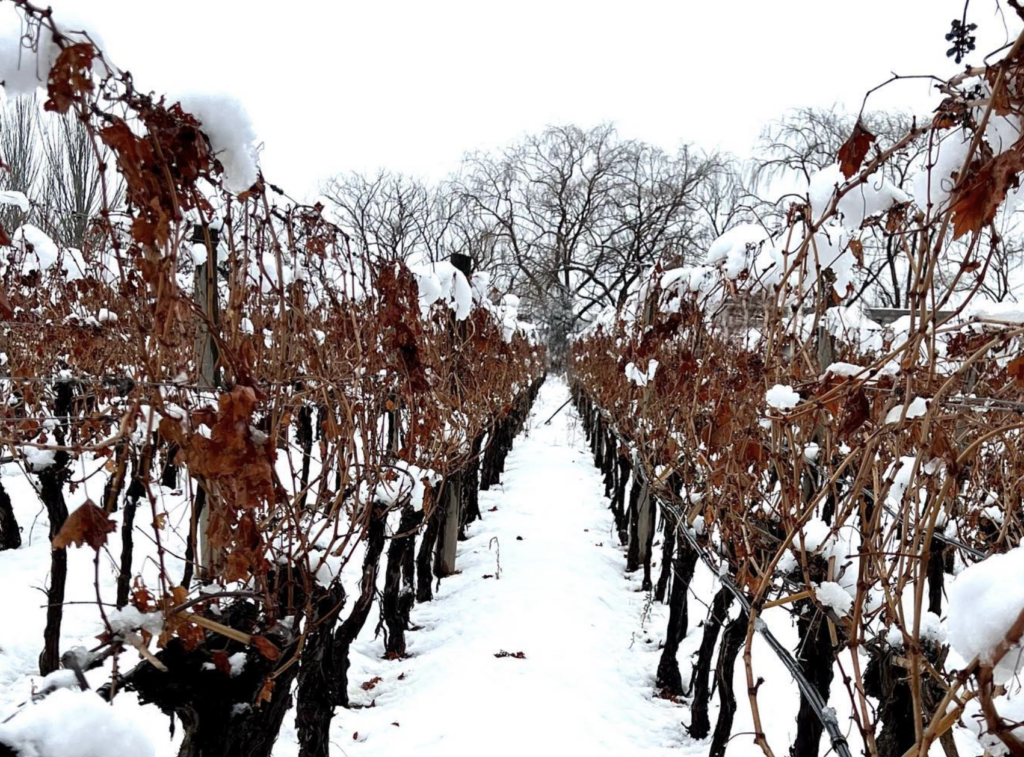
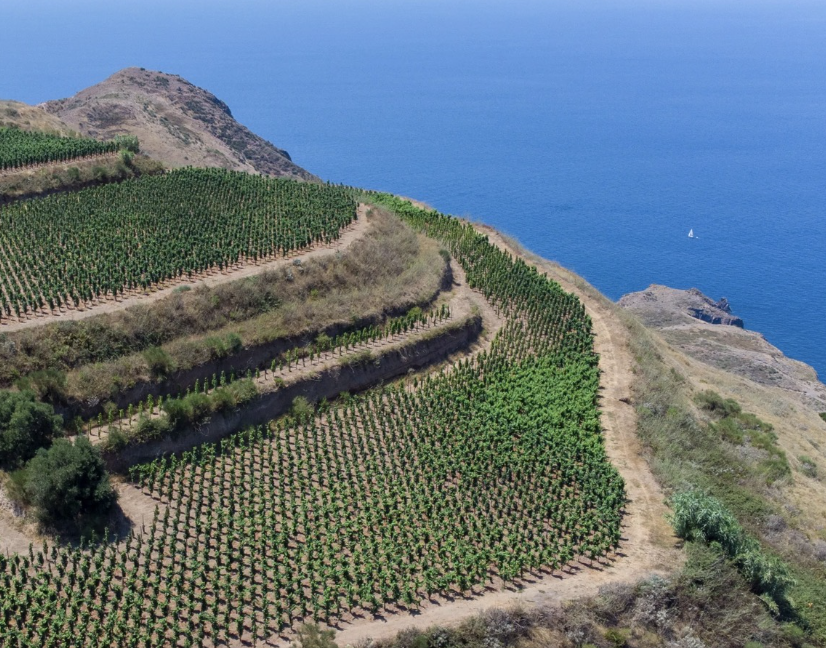
Working in Alta Langa is demanding. The vineyards are often steep, fragmented, and difficult to mechanize, so much of the work must be done by hand. In addition, because the production cycle for Metodo Classico is long, growers and producers must invest patiently, often waiting many years before releasing a wine.
The Alta Langa DOCG is known for its strict standards. What are the most important ones, and how do they influence the style and quality of Alta Langa wines?
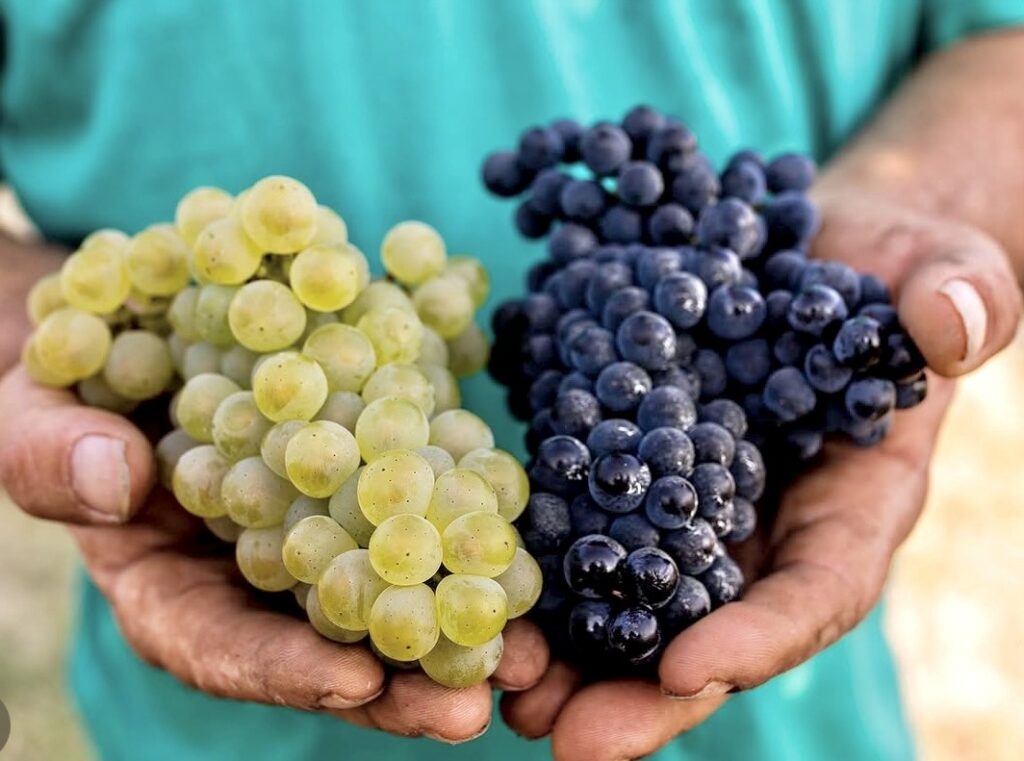
Alta Langa DOCG has some of the strictest rules in Italian sparkling wine production. Vineyards must be located above 250 meters above sea level; the wines must be vintage-dated only; and the minimum lees aging is 30 months, longer for Riserva wines (60 months at least). Harvesting is manual, yields are controlled, and only Pinot Noir and Chardonnay are permitted. These standards create wines with freshness, precision, depth, and remarkable aging potential. The long time on lees gives complexity and texture, while the soil and the altitude preserve freshness, acidity, and elegance.
Do comparisons to Champagne help or hurt, and how do you define Alta Langa’s identity in a way that makes it unmistakable in the glass?
Comparisons to Champagne are inevitable because we share the classic method and grape varieties, but Alta Langa has its own identity. We are not trying to imitate Champagne. It is a strong, terroir-driven wine: Alta Langa DOCG expresses Piedmontese hilly viticulture, with higher altitudes, Mediterranean influences, and a distinct Italian gastronomic culture. In the glass, Alta Langa DOCG is recognizable for its structure, vibrant acidity, savory character, and balance between elegance and energy. It is often drier in style and particularly versatile at the table.
Are younger producers entering the appellation, and if so, how are they changing the conversation?
Yes, younger producers are increasingly entering the appellation, and this is very positive. Many are bringing fresh energy, smaller-scale projects, and a strong focus on sustainability and site expression. Some come from historic wine families, while others are new independent growers attracted by the denomination’s potential. They are helping broaden the conversation around Alta Langa DOCG, especially internationally and among younger consumers.
Can you tell me about the sustainability efforts of Alta Langa wine producers?
Sustainability is becoming central across the denomination. Many producers are practicing organic or low-impact viticulture, reducing chemical inputs and protecting biodiversity in these hillside landscapes, which are rich in meadows, woods, and other natural ecosystems. Because Alta Langa DOCG production is closely tied to the land and requires long-term investment, sustainability is viewed not as a trend but as a necessity for future generations.
Alta Langa is largely a locally consumed wine rather than an export-driven one. How important is growing exports to its long-term strategy?
Historically, Alta Langa DOCG has been strongly connected to the domestic market and to Piedmontese culture. However, exports are becoming increasingly important for the denomination’s long-term growth and international recognition. Our objective is not volume at any cost, but positioning Alta Langa DOCG among the world’s great sparkling wines. International markets are responding very positively because consumers are looking for terroir, authenticity, and distinctive identities.
Is Alta Langa more of an aperitivo wine or a dinner wine?
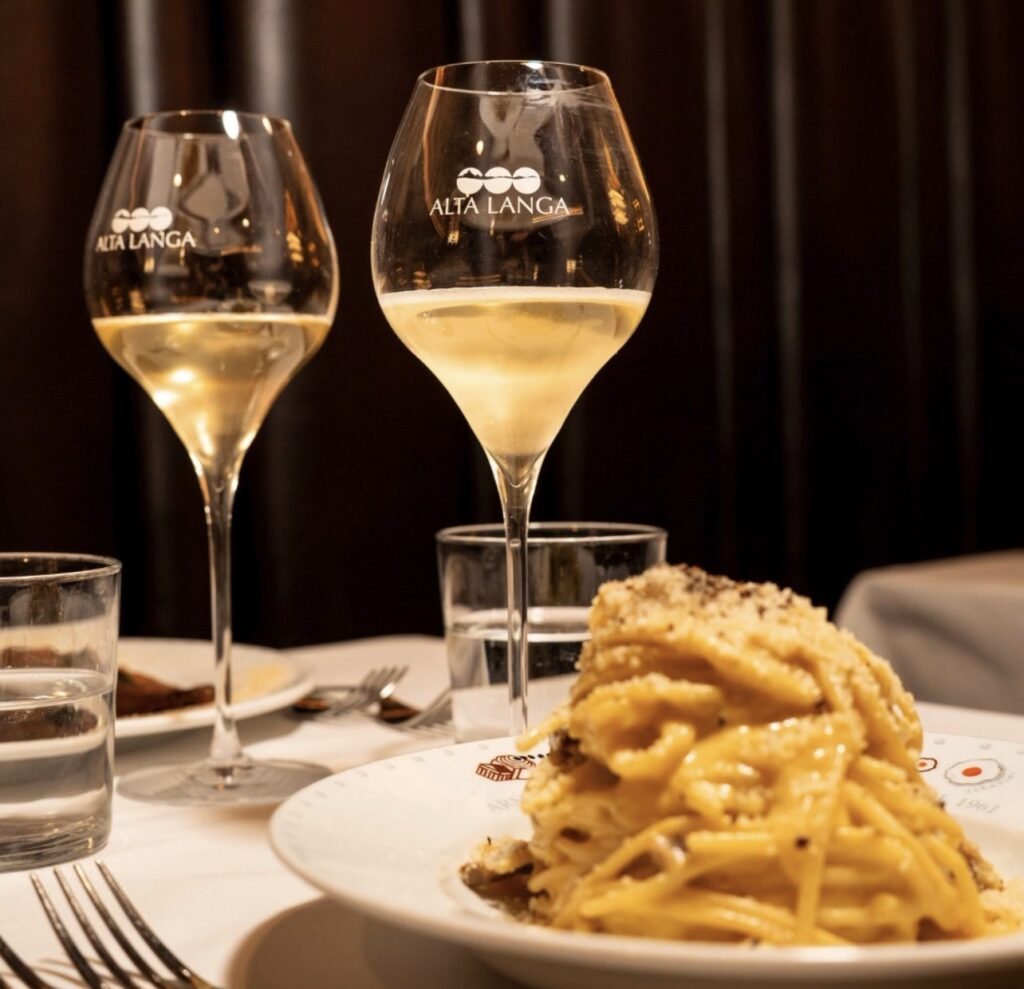
Alta Langa DOCG can certainly work beautifully as an aperitivo, but it is above all a gastronomic sparkling wine. Its structure, complexity, and long aging make it ideal throughout a meal. It pairs exceptionally well with aged cheeses and many traditional Piedmontese dishes, with white truffle, seafood, white meats, and mushrooms. This versatility is one of its great strengths.
If you had to win over a serious sparkling wine lover with one bottle, which style of Alta Langa would you pour?
I would probably pour a Blanc de Noirs Alta Langa DOCG with extended lees aging, perhaps an Extra Brut or Pas Dosé style. These wines showcase the denomination’s depth, precision, and aging capacity. They combine tension and elegance with remarkable complexity, surprising even experienced sparkling wine lovers.
Is there anything else about Alta Langa you would like to add?
What makes Alta Langa DOCG absolutely special is the combination of history and vision. Piedmont has the oldest sparkling wine traditions in Italy, dating back to the 19th century, yet Alta Langa DOCG remains a young denomination with enormous potential. It is a project built on patience, pride, collaboration, and respect for the territory. That spirit continues to define us today.