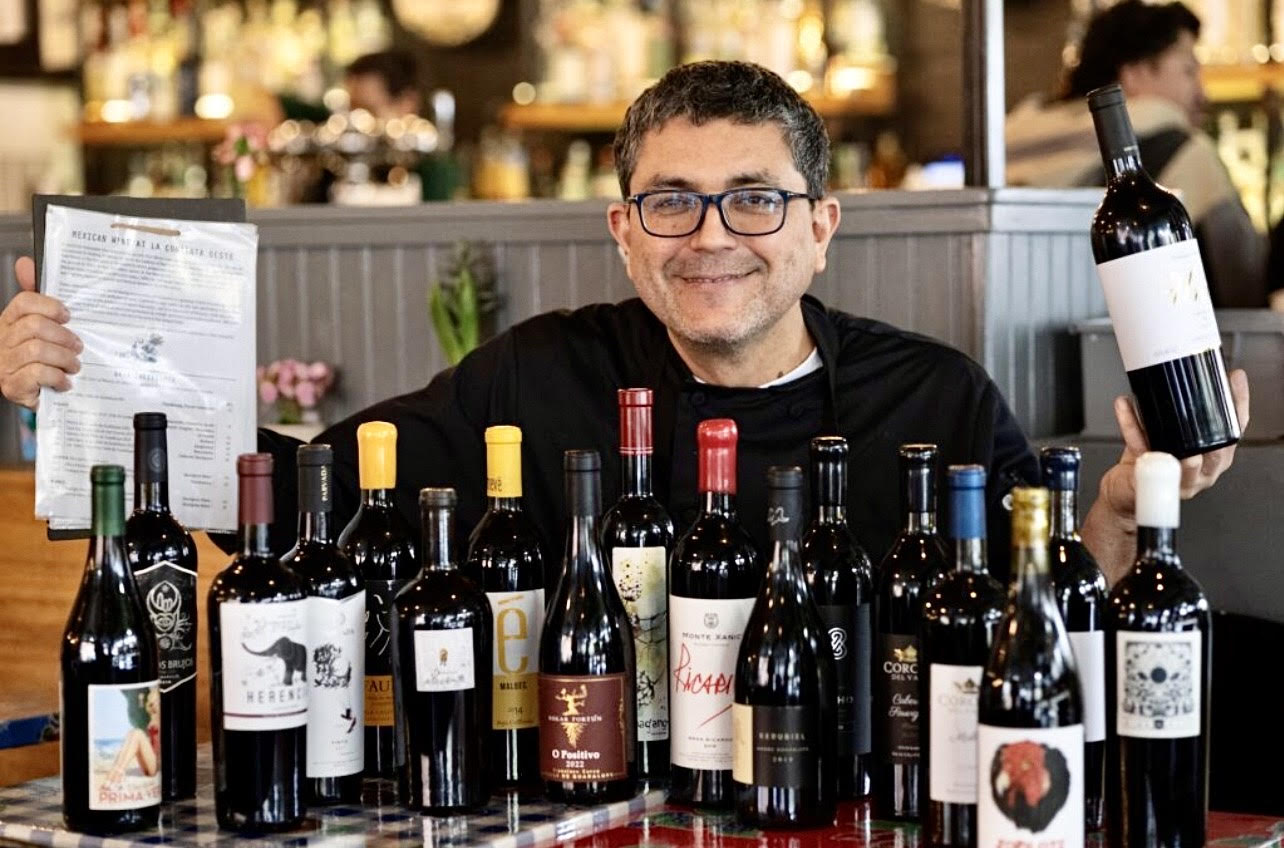
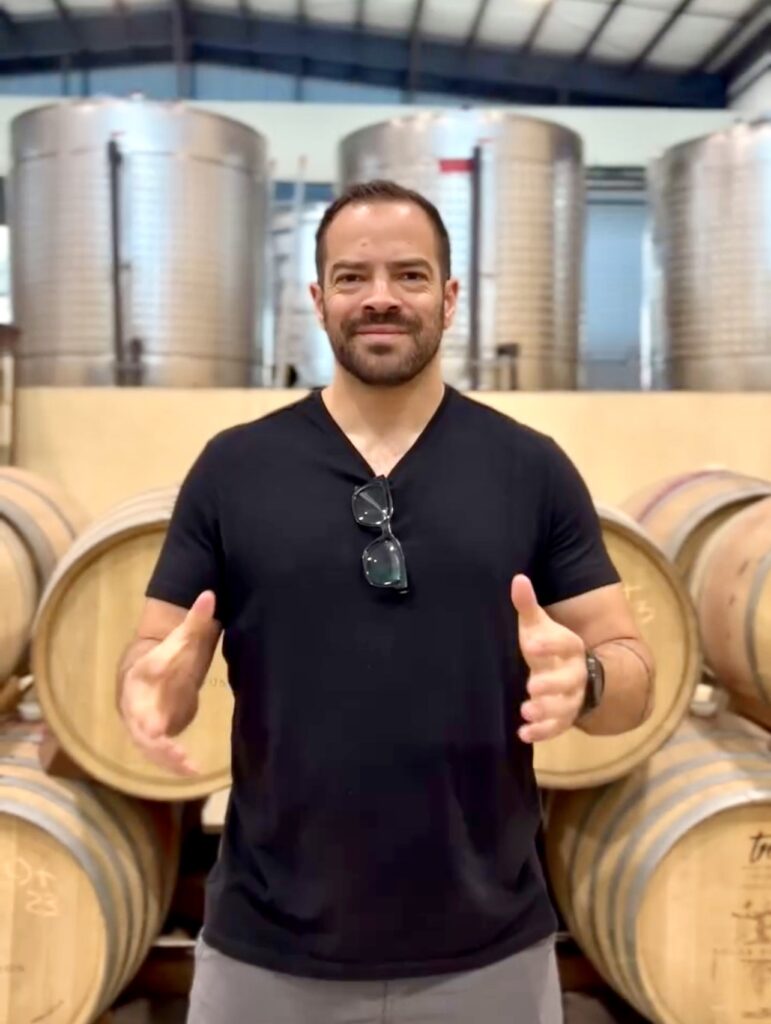
At La Contenta Oeste in downtown Manhattan, the scene is lively. Tables are packed with shareable plates like tacos, ceviche, and chicken mole poblano, all washed down with salt-rimmed margaritas and icy cold beers. Amid the buzz, the wine list often goes unnoticed, even though it tells a different kind of story. It’s entirely Mexican, curated by chef-owner Luis Mota (in photo above), who hopes to introduce his customers to the surprising range and quality of wine produced south of the border.
This lack of awareness is one of Mexican wine’s biggest hurdles in the U.S., despite its winemaking history that dates back further than that of Napa.
“There’s a misconception that Mexico is too hot for wines with finesse and elegance,” says Graham Tucker, Northeast Brand Manager for Mexican wines at Winebow Fine Wine + Spirits. “But the reality is very different. Mexico’s Mediterranean climate and elevated altitudes are auspiciously suited to crafting classically driven wines.”
As Mexican wines begin to trickle into more U.S. markets, the question lingers: Will American consumers take them seriously?
Centuries in the Making
The irony is that Mexican wine is anything but new. The Spanish planted the first North American vineyards in 1521.
“People think the country is just getting into winemaking,” says Patrick Neri, founder of Beso Imports, the largest importer of Mexican wines in the US. “But Mexico is where the entire project of making wine on this continent started.”
That deep heritage has not always translated into commercial recognition. In the 17th century, to protect its domestic wine industry, the Spanish crown enforced measures to restrict wine production in its colonies except for use in the Church. The vineyards that survived played a crucial role in preserving viticultural knowledge and grape varieties in the New World.
“Mexico is still waking up to the idea that it makes world-class wine,” says Neri. “I once poured it for the Mexican ambassador to Argentina, and he had no idea his own country even produced wine.”
But that’s changing. What began as a slow resurgence in the 1980s has grown into a full-blown reinvention, as emerging winemakers join forces with longtime producers to reshape Mexico’s wine identity.
Talent, Terroir, and Freedom
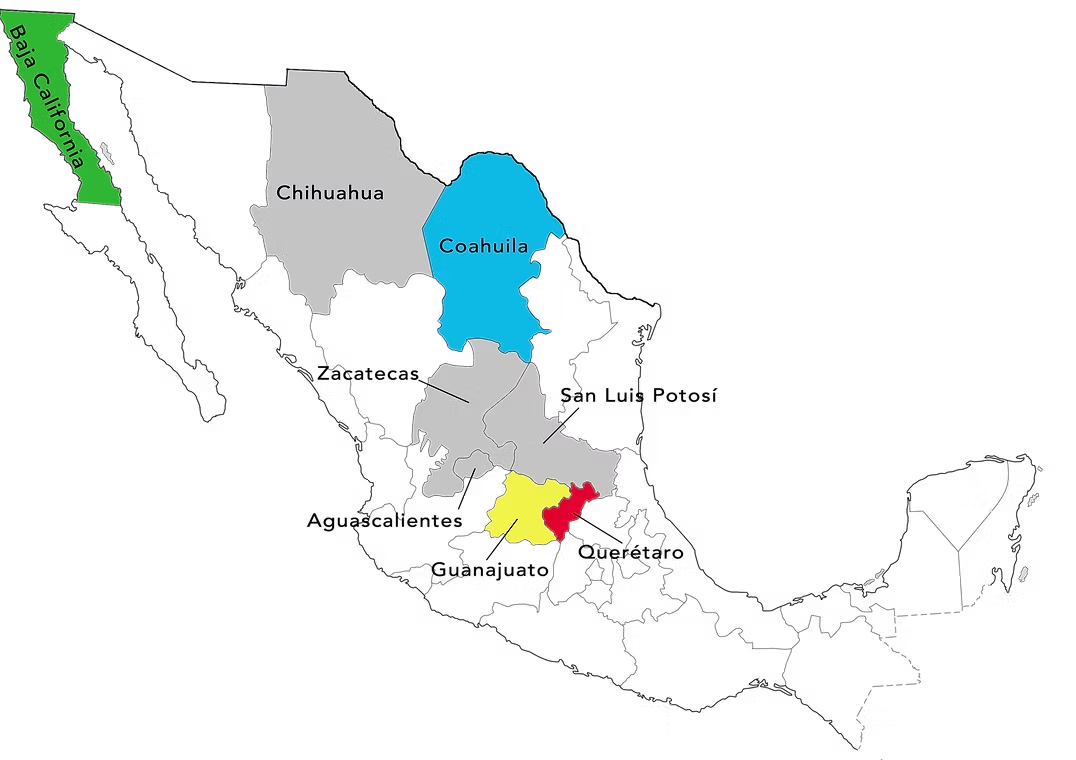
Leading that charge is Maria Rivero González, CEO of family-owned RGMX in Parras, Mexico, and RGNY on Long Island’s North Fork. The Parras Valley is a subregion of Coahuila in northern Mexico, and home to Casa Madero, the oldest winery in Mexico, founded in 1597. Some popular grape varieties grown in this region are Cabernet Sauvignon, Tempranillo, Chardonnay, and Chenin Blanc.
Rivera Gonzalez believes the key to Mexican wine’s future lies in redefining assumptions.
“We’re in the middle of the desert,” Rivero González says. “People assume that means scorching heat and heavy wines, but the truth is we have dramatic diurnal shifts. The vines wake up in cool, dry mornings. That’s where the acidity comes from. Our wines are clean, fresh, and elegant.”
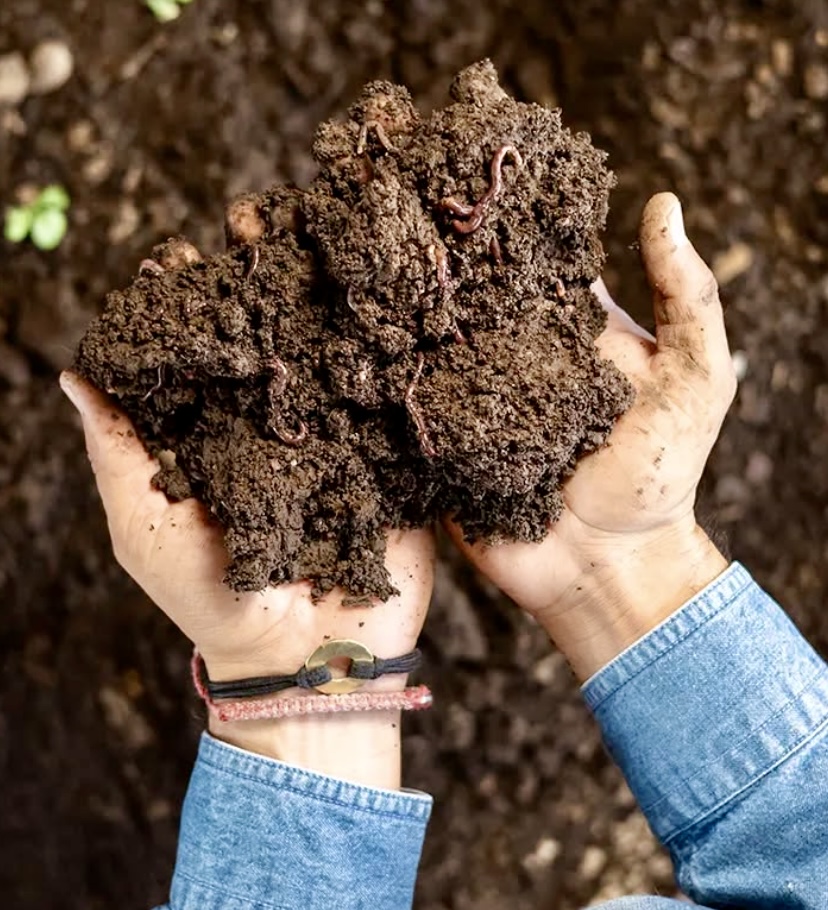
Rivero González farms organically in Mexico, though she’s less interested in labels than in results. “What matters to me is biology,” she says. “I grow my own fungi and worms, and feed them back into the soil to help build life. It’s about letting the vines do the work and respecting the land.”
That kind of ground-up, experimental mindset is common among Mexico’s new generation of winemakers, who work without the strict regulations of most wine-producing countries. They view it not as a limitation but as an opportunity. “It gives us flexibility,” Rivero González states. “There’s freedom to plant what works best in a particular spot, rather than following an outdated rulebook.”
Santiago López, second generation at Solar Fortún, a small family-run winery in Valle de Guadalupe, agrees.
“Mexican wine has sometimes been described as ‘the Wild West,’ and in some ways, it is,” says López. “This diversity is part of our ongoing search to discover what truly thrives in our region. Instead of dictating what Mexican wine should be, our community is actively experimenting with different varieties, styles, and philosophies to find the best expression of our land.”
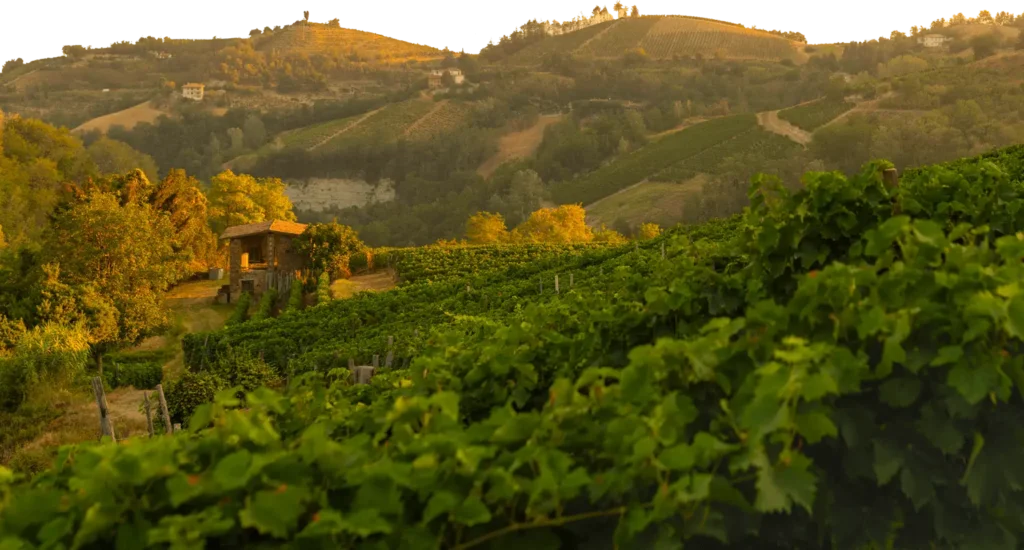
Valle de Guadalupe is just 75 miles south of the U.S. border in Baja California, and the region accounts for nearly 90% of Mexico’s wine production. This sprawling region is defined by a diversity of microclimates, soils, and winemaking approaches.
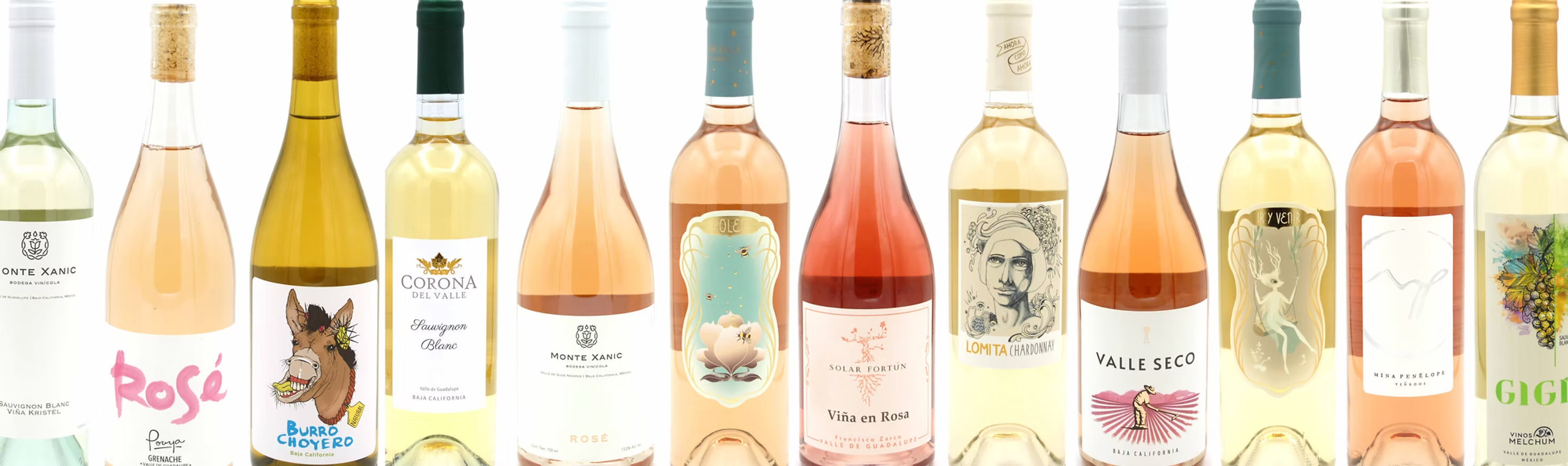
López points to the valley’s three main subregions as an example. San Antonio de las Minas, at the entrance to the valley, gets more fog and morning mist; El Porvenir, in the center, is hotter and has clay-rich soils; and Francisco Zarco, where Solar Fortún is located, features sandier hills. Over time, López has become convinced that Rhône varietals thrive especially well in his area, though he notes that each zone has gradually found its own strengths.
Like Rivero González, López sees the freedom to experiment not as a limitation, but as one of Mexico’s greatest advantages. Rather than following a set rulebook, producers are letting the land and the market guide the way. “It’s been a self-correcting process,” he said. “The wines that truly reflect their place are the ones that endure.”
Many see this openness as a driving force behind the rise in quality. “What we’re seeing are wines with a real sense of place and purpose,” says Winebow’s Tucker. “These are serious grape growers and winemakers focused on honest varietal expression and typicity.”
López believes that tighter controls will develop over time, but hopes it grows from experience, not imitation. “Regulations,” he says, “should arise organically from genuine experimentation and learning, rather than being prescribed based on other regions or mere suppositions.”
As the region’s wine quality has improved, so has its reputation. López believes it’s the wine, not just the beaches or resorts, that has helped put Baja on the map for tourists. He views it as a mutually reinforcing cycle: better wines attract more visitors, and more visitors lead to greater investment and incentive to raise the winemaking bar.
A Chef’s Evolving Perspective
For Chef Mota, who’s spent years cooking and serving Mexican food in New York, the evolution of Mexican wine has opened up new possibilities at the table, and he’s made it his mission to introduce those wines to his guests.
“Back then, many of the wines leaned more toward a Napa or Bordeaux style: heavier, oakier, more extracted,” says Mota. “But now they’re completely different. I can’t say, ‘This tastes like a Sonoma wine’ anymore, because it doesn’t.”
He sees Mexican wine today as more refined, balanced, and rooted in its own terroir. “There are still some similarities to California—the sunshine, the ripeness—but Mexican wines have their own signature, their own soul,” he says. “The terroir is so important.”
Mota’s connection to wine goes back nearly two decades. “When I opened my first place in 2005, my partner brought in a Mexican wine to try,” he recalled. “I remember thinking, ‘Wow, it’s salty!’ Back then, the wines weren’t as refined—the salinity could be a bit much. But even then, I appreciated that savory quality, just like in cooking.”
He says the wines have come a long way. “They’re much more balanced now, but that hint of saltiness is still there. When it’s done right, it really brings out the flavor of the food.”
He’s also observed a shift in vineyard practices. “Now it’s becoming increasingly standard for producers to be organic or biodynamic, especially among smaller, family-owned wineries. They’re really thinking about sustainability and how to care for their land.”
An Importer Digs In
Still, visibility remains limited, and infrastructure is uneven. “Until recently, it was hard to do more than talk about Mexican wine,” says Neri. “Even if you wanted to buy a bottle, it wasn’t on the shelf. That’s finally starting to change.”
Neri approached building Beso’s portfolio the way one might explore Burgundy or Bordeaux: by digging deep into site, history, and farming practices. “Before we imported a single bottle, we studied every winegrowing region in Mexico,” he said. “We didn’t just grab what tasted good. We looked at soil profiles, vintage variation, elevation. We asked, ‘Which grapes thrive here?’ Then we chose producers who were committed to expressing that place.”
What he found surprised him. Many of the country’s top wines come from small producers who own their vineyards, farm organically or biodynamically, and aren’t trying to replicate Napa. They’re focused on reflecting their own land.
He also noted that regions outside Baja, like Querétaro, Guanajuato, and Coahuila, may be poised for a breakout, especially with white and sparkling wines. “Right now, too many producers there are focused on reds,” he says, “which don’t always suit the climate. Crisp whites and rosés could really shine. Once that clicks, I think the market will catch up.”
Facing the Market
That shift in perception is happening—slowly, but surely. “The U.S. market is still figuring out what Mexican wine is,” says Tucker. “Right now, it’s seen as a novelty, a hyper-niched category. But there’s real depth and sophistication here. These are wines any buyer or sommelier should be proud to represent.”
Producers are starting to feel that momentum. “We’ve gone from being an interesting ‘find’ to a more serious category,” says López. “Interest is growing fast, and we’re already seeing it reflected in our numbers. There’s still work to do, but it’s happening.”
Still, challenges remain. Pricing, for one, can be a hurdle. “Everyone loves Mexico, but they expect the wine to be cheap,” says Maria Rivero González. “It’s not cheap to make good wine, especially in regions without large-scale production or subsidies.”
Adding to the pressure, the U.S. wine market overall is shrinking. “We’re coming in hot at a tough moment,” says Rivero González. “But we have something different to offer. That’s our advantage.”
For importer Patrick Neri, the path forward hinges on two things: education and access. “The product speaks for itself—we just have to get it in front of people.”
He draws a comparison to mezcal’s rise in the U.S., with one key distinction. “Fifteen years ago, mezcal was barely on the radar, and most of it was borderline undrinkable. Now it’s a fixture at any decent Mexican restaurant. I see Mexican wine following a similar path, but the big difference is that the wine is already there in terms of quality. People just don’t know it yet.”
Meanwhile, in Manhattan’s West Village, Chef Mota is helping guests discover Mexican wine, one glass at a time. He prefers to let the wine speak for itself. “I’m not trying to give customers a whole history lesson,” he says. “Sometimes I don’t even say, ‘This is Mexican wine.’ I just pour it with the food, and let people react.”
That moment when someone takes a sip and says, “Wait, what is this?” is what Mota is after. “I want my customers to see that the wines aren’t just good ‘for Mexico,’” he says. “They’re just good, period.”
For more on Valle de Guadalupe, read Christopher Barnes’ article at GrapeCollective.com.
Check out Chef Mota’s Mexican food and wine pairings at TheWineChef.com.