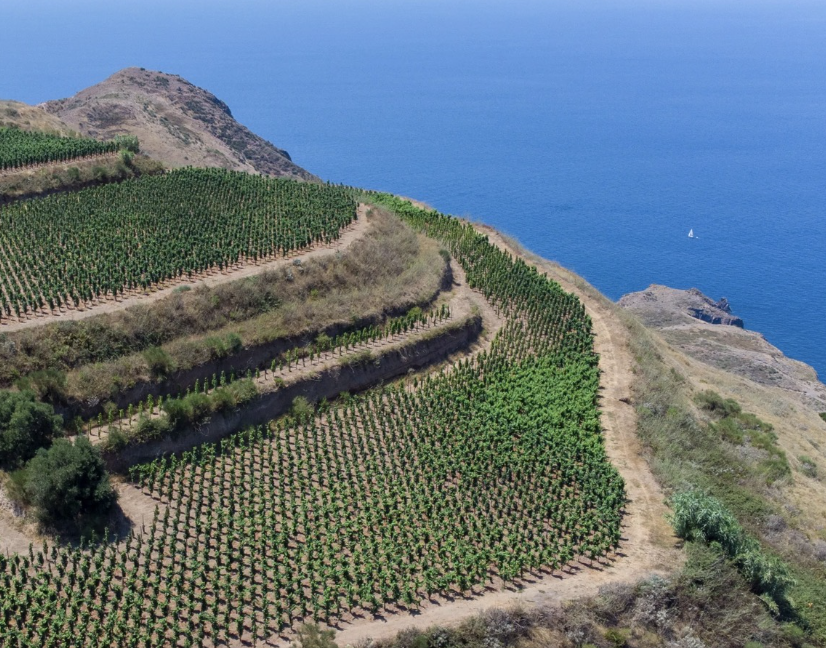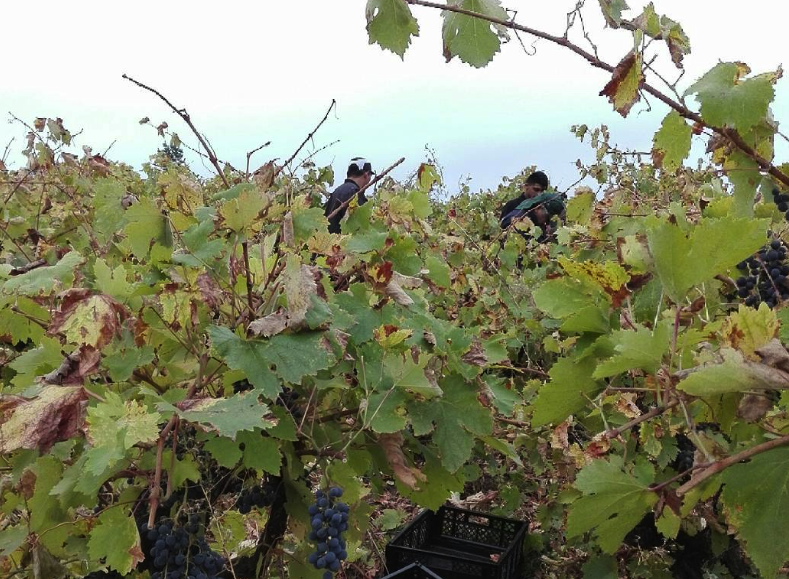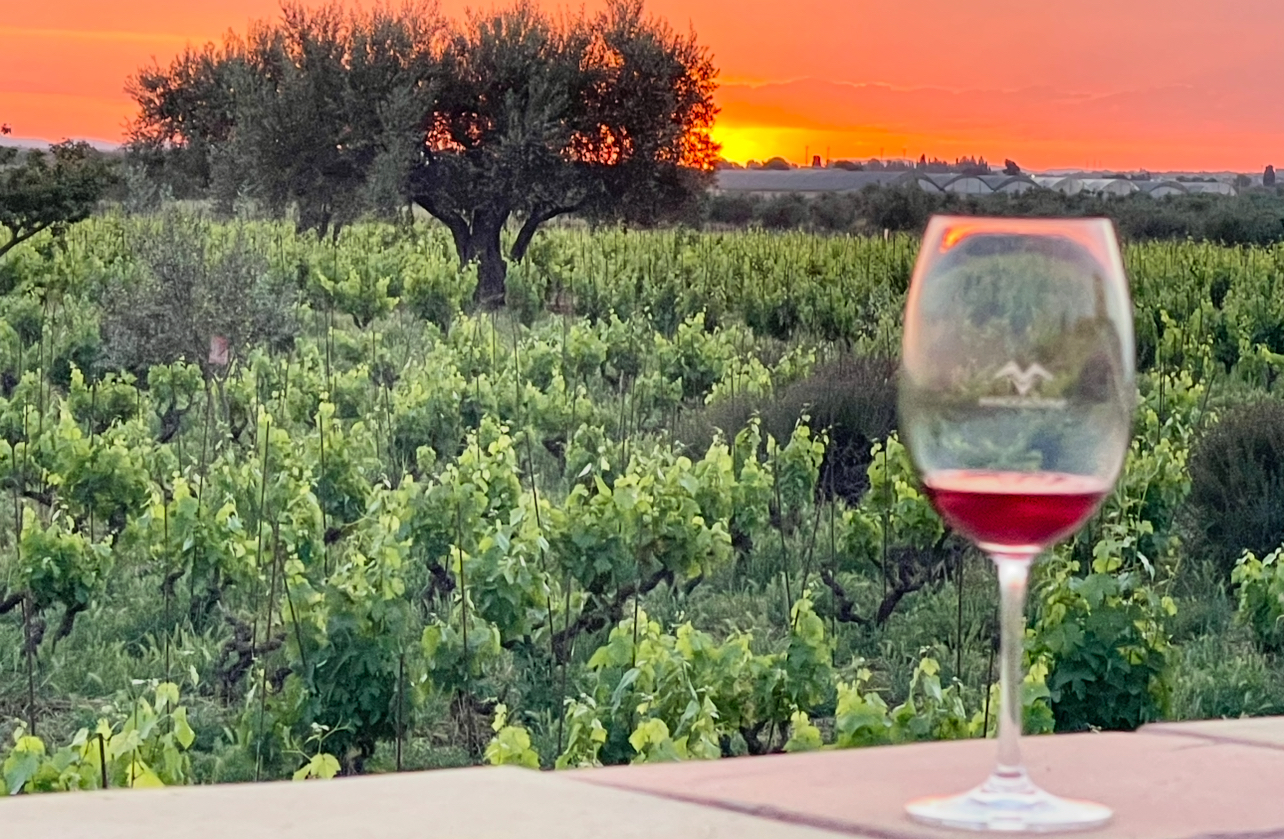
Wine regions find their voice slowly, shaped by generations of growers. In Sicily’s southeastern corner, among the sandy, limestone-rich soils of Vittoria, one grape’s voice is rising: Frappato. Once valued mainly as an aromatic blending partner, it’s now recognized as one of the island’s most exciting reds.
This rare indigenous variety covers fewer than 2,000 acres worldwide, nearly all in Sicily. Its spiritual home is Vittoria in the Ragusa Province, where warm sun, sea breezes, and the shelter of the Iblei Mountains yield light reds with bright acidity, fine tannins, and aromas of pomegranate, violet, herbs, and spice. For decades, Frappato was used chiefly in Cerasuolo di Vittoria, the island’s lone DOCG. But starting in the 1990s, visionary producers began bottling it solo, and today, wine lovers are embracing this lighter, food-friendly style that is full of energy and freshness.
Gaining Acceptance
Not everyone was convinced Frappato could stand on its own, as its lightness often puzzled both critics and consumers.
“In the 1980s, it was difficult to understand Frappato because red wines were expected to have deep color, strong structure, and be suited for aging,” says Massimo Maggio of Vigna di Pettineo, a family-run estate in Vittoria. “Frappato, instead, remained a grape beloved by the locals, who have always appreciated a versatile wine that is light in color, yet rich, intoxicating, and pleasant in both aroma and taste.”
At Valle dell’Acate, a historic family estate, Frappato has long been at the heart of its identity, both as a single varietal and in blends like Cerasuolo di Vittoria. Owner Gaetana Jacono remembers how difficult it once was to convince the outside world of its worth. “When I first started working at our winery, it wasn’t easy to sell the wines,” she says. “This light colored, elegant, not overpowering, style was an outsider in Sicily and in Europe. My first success came in 1999 in the American market, and it was a breakthrough. By 2012, the situation had changed and people were beginning to understand that Sicily had different areas with different identities and styles of wine.”
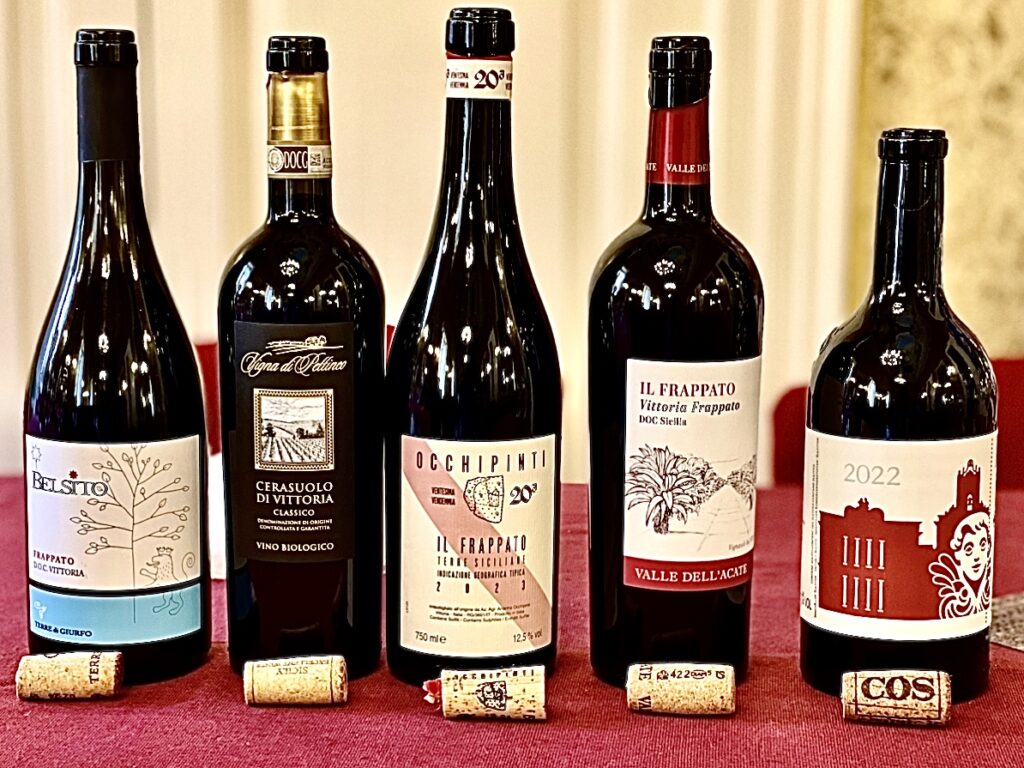
A generation later, Frappato had found a powerful new voice in Arianna Occhipinti, whose elegant, expressive style helped carry its reputation far beyond Vittoria, redefining the image of Sicilian reds, while offering exactly what today’s wine drinkers are looking for.
“Talking about Frappato is like talking about love,” says Occhipinti, founder of Azienda Agricola Arianna Occhipinti. In Solco, her magazine on wine, land, and identity, Occhipinti writes of Frappato’s rebellious yet romantic nature and how the two “took each other by the hand.” For her, Frappato is “an astonishing interpreter of a complicated land… a malleable grape variety that tells a producer’s story.”
For Occhipinti, the appeal of Frappato is inseparable from her natural winemaking philosophy. Her fermentations are always spontaneous and the wine is bottled only if it “finishes cleanly,” a process she believes lets the grape’s inner energy shine through. “Even the people who say that natural wine doesn’t exist, when they see what we’re doing, they start using a little less of this or that,” she says, “and the whole conversation moves forward.”
Much of Arianna’s philosophy comes from her uncle, Giusto Occhipinti, co-founder of the renowned Azienda Agricola COS and one of Sicily’s most influential producers. He helped put Vittoria on the global wine map, championing traditions like spontaneous fermentation with native yeasts in concrete and amphorae (photo below). Giusto likens winemaking to sculpture—starting with a block of stone and carving away to reveal what’s inside. “Less is best,” he says. “You can put 120 ingredients in a wine, but I prefer adding only grapes.”
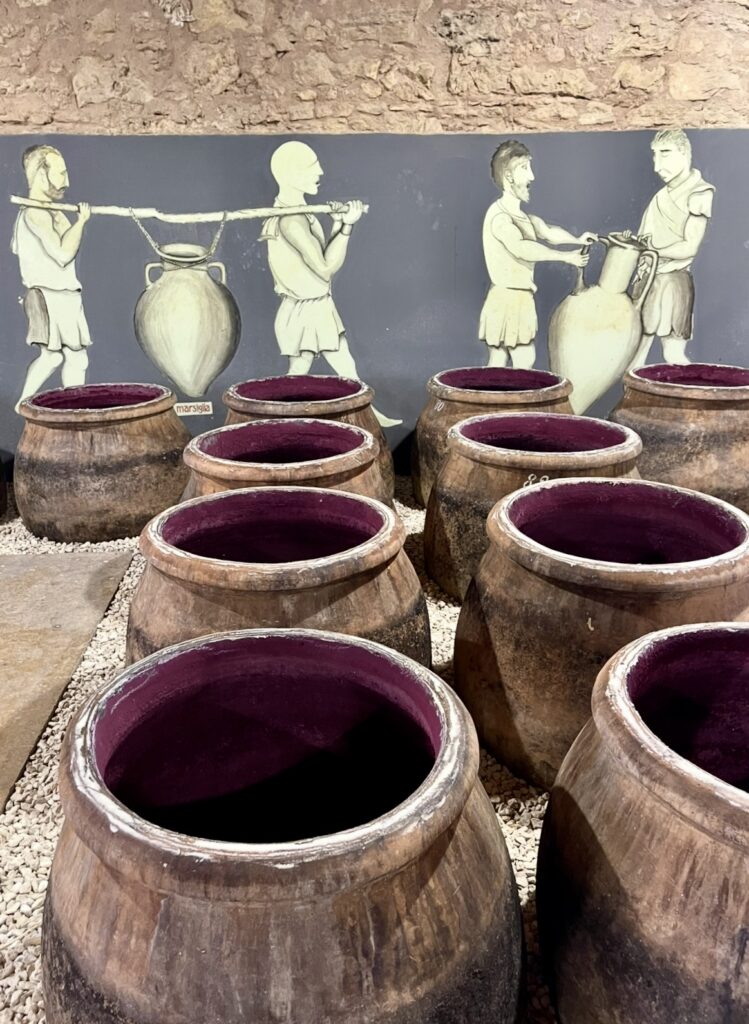
For Giusto Occhipinti, that means accepting the vintage as it comes. “This isn’t Coca-Cola,” he says. “It’s impossible to produce a wine everyone will like every year. Some years the wines aren’t perfect, but we show what the vineyard gave us.” His commitment to organic and biodynamic principles, along with minimal intervention, has inspired the current wave of Frappato producers.
The Vittoria Advantage
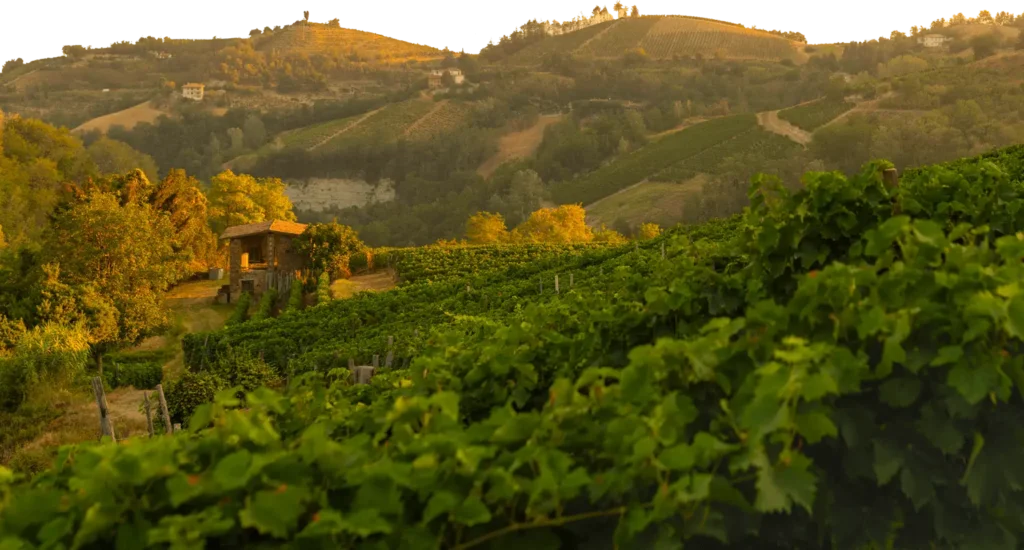
Drive through the rolling hills of Vittoria in the Province of Ragusa, and you’ll understand why Frappato thrives here. The landscape tells an ancient story.
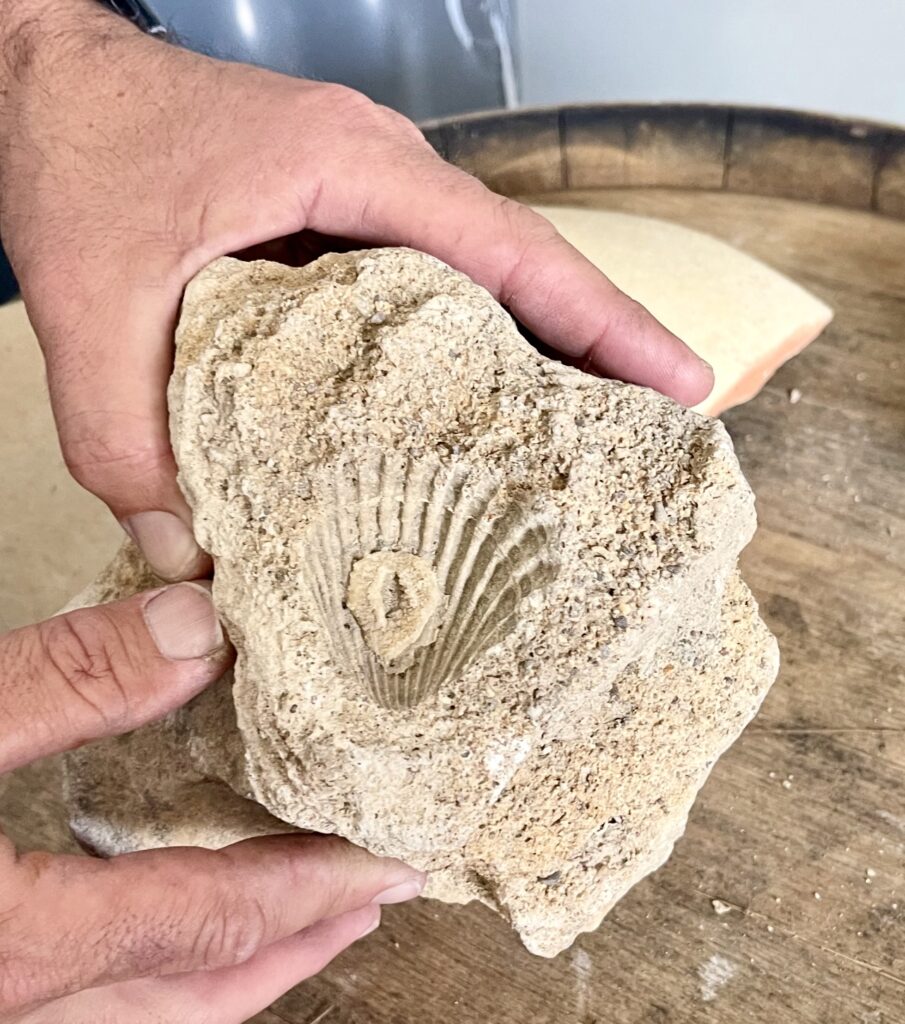
“Thirty million years ago, this area was underwater,” says winemaker Mattia Giacomelli of Santa Tresa, an estate long focused on native Sicilian grapes. “There are marine fossils in the soil that give our Frappato a mineral freshness.” Giacomelli calls Frappato, “easy to drink but complete.” He says its fruity notes and fresh, clean finish linger in a satisfying way.
He notes that these ancient fossils do more than just add mineral notes, their calcium helps keep the vines healthy, and gives the wines a distinctive salty, chalky character that wine lovers often describe as “minerality.” It’s a direct connection between Vittoria’s prehistoric past and the unique flavor of today’s Frappato.
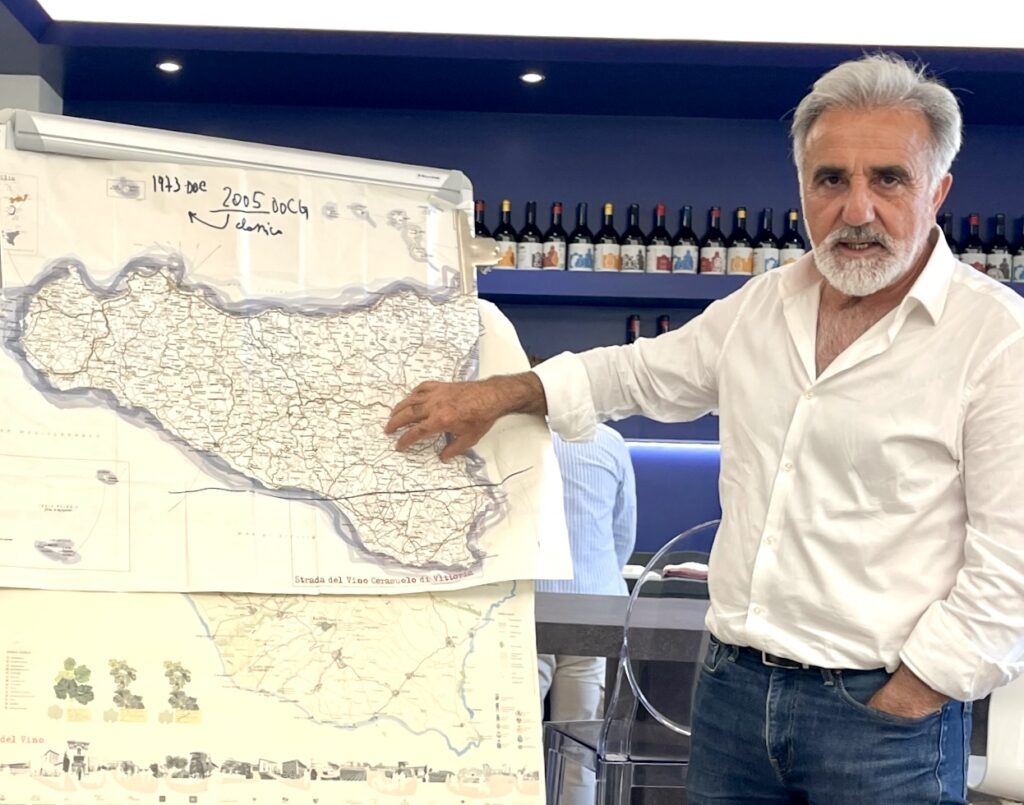
The region’s position between sea and mountains, just 8 kilometers from each, is another factor which creates ideal growing conditions. As Arianna Occhipinti explains (photo below), the area may look sandy with large pebbles on the surface, but “underneath it, there is a compact layer of limestone” where the vine roots anchor themselves. This limestone foundation gives Vittoria’s wines their characteristic “total acidity and lower pH,” she notes, which is why wines from Vittoria are, traditionally, lower in alcohol and very elegant.
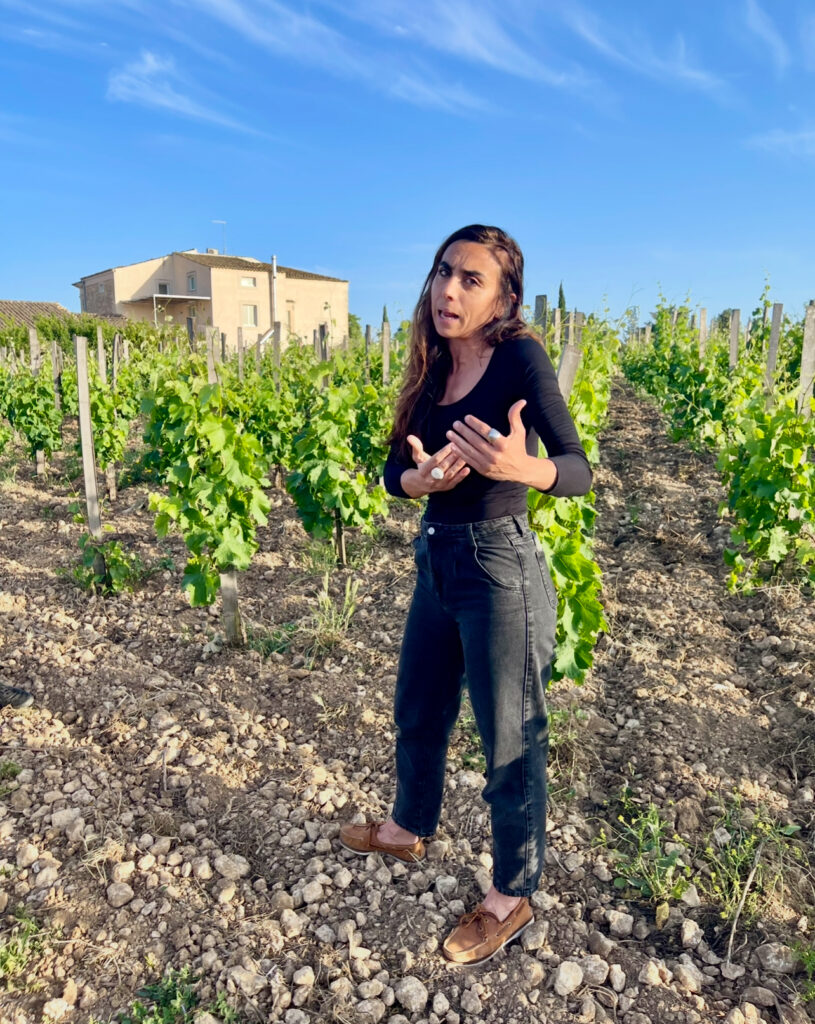
“Frappato di Vittoria is a super nice wine,” says Arianna Occhipinti. “It’s never jammy, it’s never alcoholic, and it’s most special from Vittoria, the place of origin.”
It’s this distinctly local character that is resonating with an international audience. “What excites me most,” says Maggio, “is that Frappato is now recognized as a true expression of its territory, with its own elegant identity, perfect for any occasion.”
A Partnership
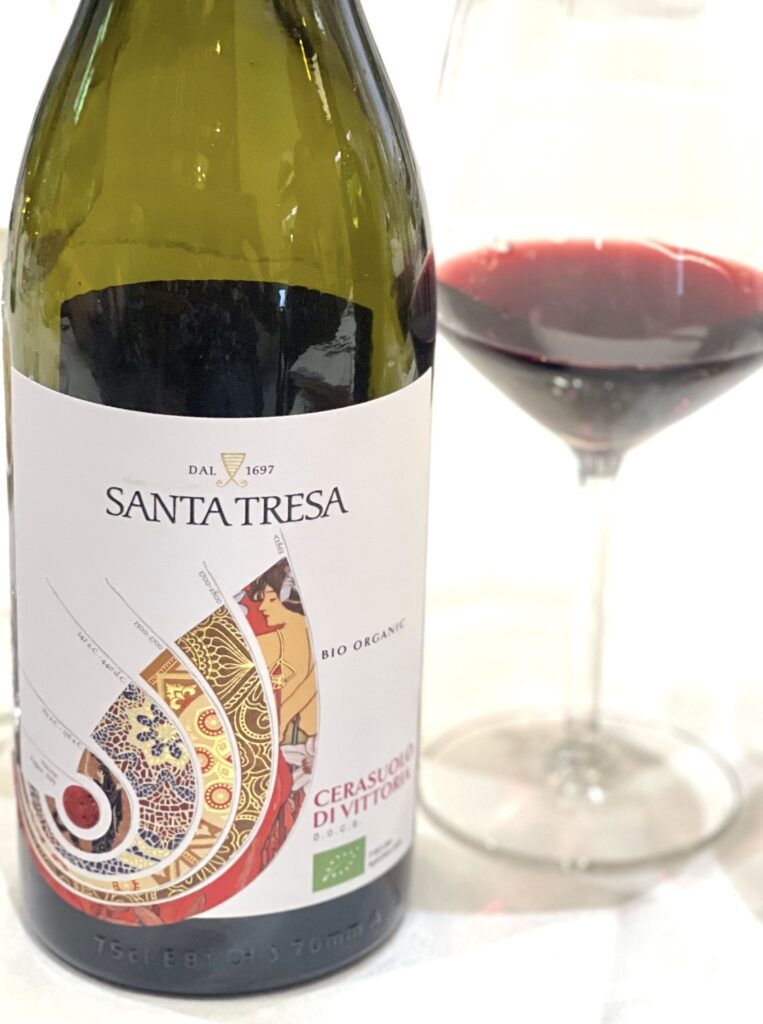
You can’t talk about Frappato without mentioning Cerasuolo di Vittoria, Sicily’s only DOCG wine. This traditional blend of 30 to 40% Frappato with 60 to 70% Nero d’Avola allows Frappato’s brightness and lift to temper Sicily’s boldest red.
The partnership isn’t without challenges, however. “Frappato and Nero d’Avola are two completely different grapes,” explains Jacono. “They ripen at different times and respond differently to altitude and climate change. In Ragusa, Frappato is strong and Nero d’Avola is very fragile. Blending them well takes patience and time in the bottle.”
The blend allows for stylistic freedom, giving producers room to interpret the balance between strength and finesse. “The goal is always the same: to create a wine with elegant tannins, no bitterness—a serious wine, yet fresh,” says Giacomelli.
Much of Cerasuolo di Vittoria’s modern reputation stems from Giusto Occhipinti’s transformative influence. Described as “the most articulate supporter and explainer of his local wine culture,” he has spent decades elevating both Cerasuolo and Vittoria from relative obscurity to international recognition.
Food-Friendly by Nature
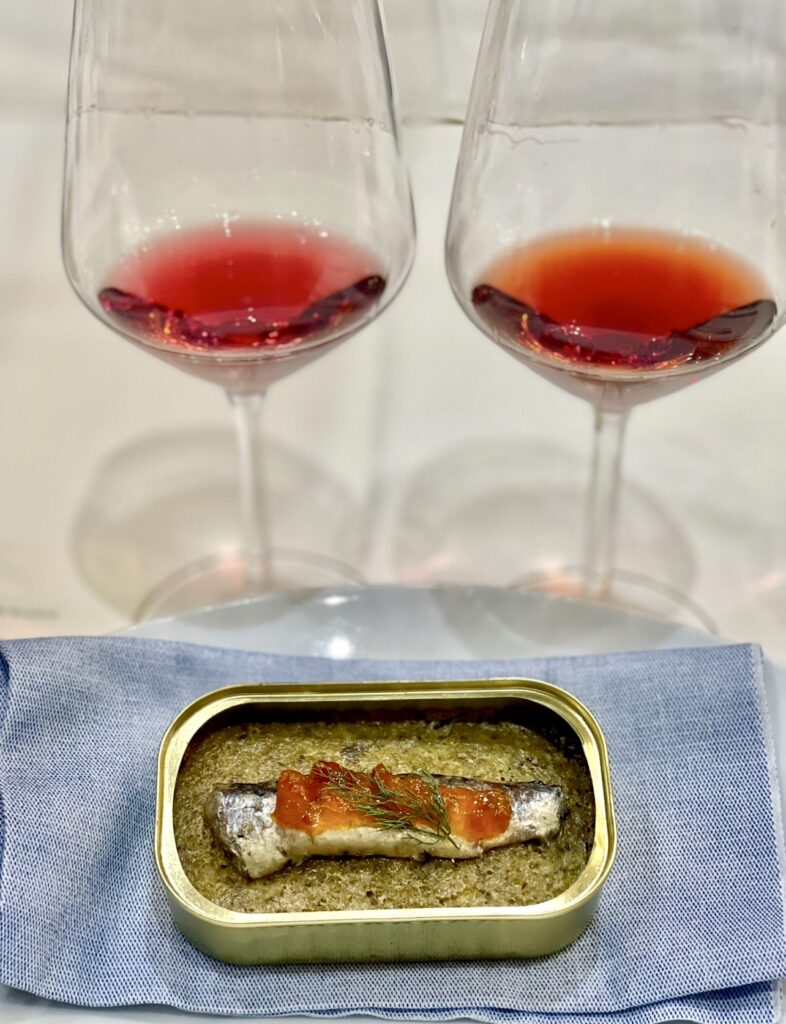
One of Frappato’s greatest qualities is how easy it is to pair with food. Achille Alessi of Dimore di Giurfo, a historic estate in the Ragusa countryside, says, “Our Belsito Frappato is my favorite wine because it’s fruity and easy to pair with just about everything. You can even chill it and serve it with pasta and cherry tomatoes or even a tuna salad.” Alessi also makes a delicious sparkling Frappato that’s equally as food-friendly.
This flexibility works with more than just simple weeknight meals. “Frappato goes really well with elegant fish preparations,” Jacono notes, which makes sense given the region’s seafood-focused cuisine.
As Maggio explains, “It’s rare to find red wines that are both light and truly enjoyable, with a refined concentration of floral and fruity aromas, delicate tannins, a salty acidity, and a broad aromatic profile.”
But don’t think this easy-drinking nature means the wine lacks depth. It ages well too. “Frappato is more ageable than many other light-bodied reds. It stays fresh and alive,” says Alessi.
Maggio agrees, adding, “It will surprise you, even after a few years in the bottle. Frappato breaks the mold, offering a different and refreshing perspective on Sicilian wine.”
Looking Forward
As wine drinkers shift toward lighter, more food-friendly styles, Frappato has found its moment. It’s a grape that speaks of place and tradition, proving that a wine can be memorable without being massive. In rediscovering what’s been in Vittoria all along, the story comes full circle.
“Vittoria is the original home of Frappato,” Gaetana Jacono reminds us. “That matters.”
Many thanks to Assovini Sicilia for sponsoring my visit to the 21st edition of Sicilia en Primeur, and to the wineries mentioned above for their warm hospitality.
All photos by Lisa Denning.
Read more on light-bodied Italian reds at grapecollective.com.