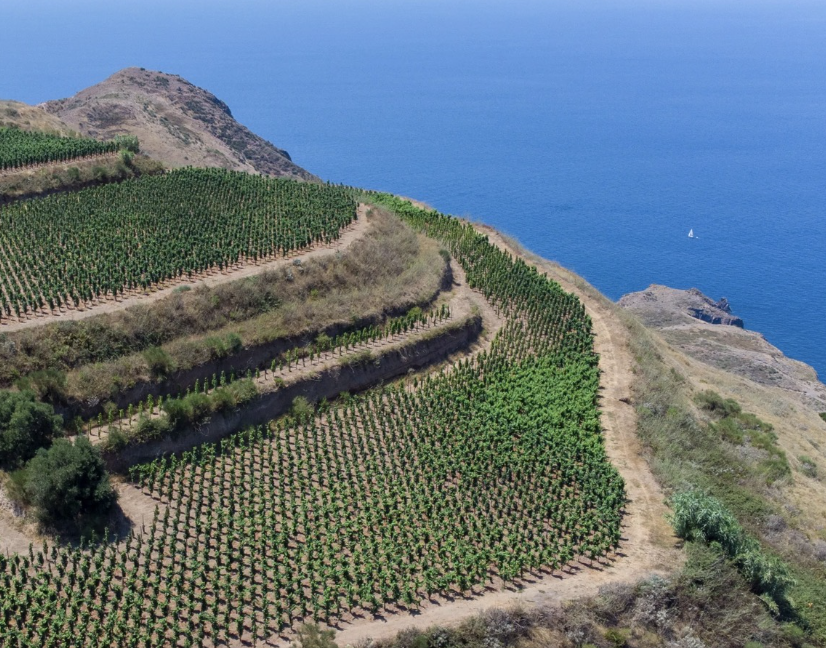
The sun-kissed vineyards, rolling hills, steep mountain terrains, winding roads leading to nowhere, and even livestock roaming the fields, the vision of vineyards is hard to deny. But that picturesque image was not what Sami Ghosn saw when he returned home to Lebanon in 1992 to establish Massaya.
a
Wine history in Lebanon.
Wine in Lebanon
The 15-year civil war that tore the country apart had just ended. Sami (and his brother Ramzi), who have been living abroad to escape the horrors of war, wanted to return home to rebuild their family’s land in the Beqaa Valley. The wine industry, while small, was miraculously kept alive by a few pioneering producers who managed to capture the attention of export markets. And in 1992, it seemed to be headed towards a brighter future, and Sami became part of the new generation of winemakers that showcased Lebanon’s potential. Sami, a humble man, would only admit that “…it just so happened that I was at the crossroads of igniting the new generation of winemaking during the 1990s when Lebanon finally came into a sort of stability at the time.”
But where did the wine industry in Lebanon come from?
We need to understand the history of Lebanon first, before we can understand the history of Lebanon’s wine industry.
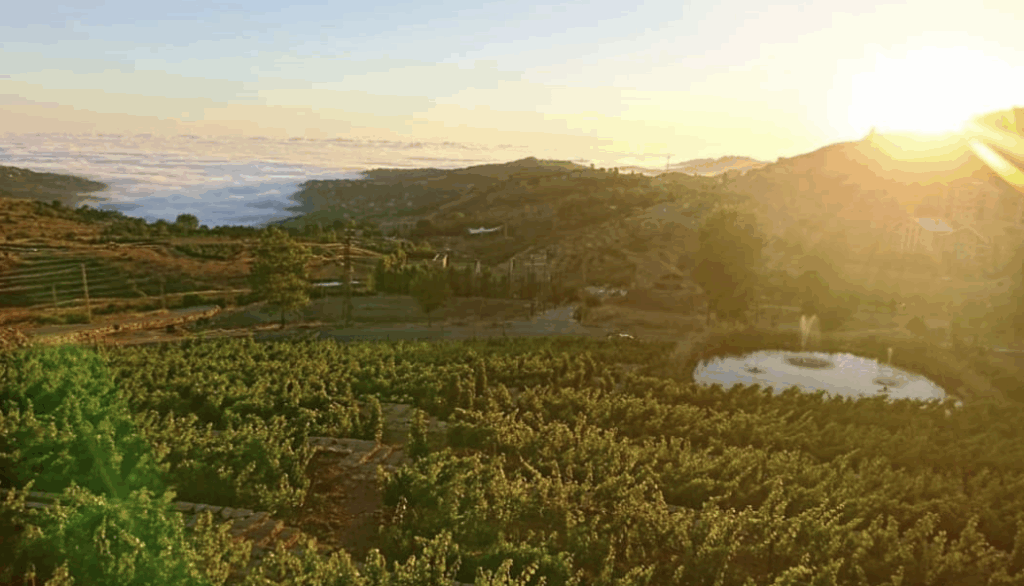
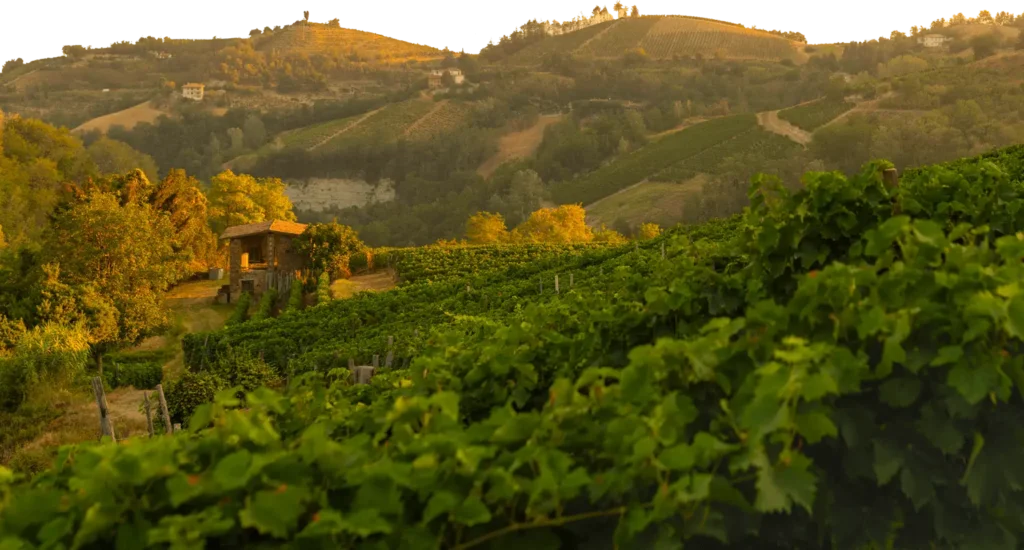
(View of Beqaa Valley from Massaya)
Located along the coast of the eastern Mediterranean Sea, north of the city of Jerusalem, the location of Lebanon has always been a strategic trading hub. But more importantly, it was at the crossroads of different religions and cultures that occupied Central Asia. The history of the region is ancient, with the Canaanite civilization inhabiting the region as early as 4000 BCE. Throughout the millennia that followed, different civilizations and powers have occupied the region, including the Phoenicians, Assyrians, Babylonians, Romans (later the Byzantines), Crusaders, and ultimately the Ottomans. As Sami puts it, “…this tiny country, …is the melting pot of all those minorities that have been persecuted… be you Kurdish, Armenian, Druze, Shiite Muslim, Jewish, what have you. Those who have been persecuted found safe haven in Lebanon.”
Our modern understanding of Lebanon took shape after the end of World War 1 and the collapse of the Ottoman Empire. Initially, the state of Greater Lebanon was founded in 1923 under the French Mandate for Syria and Lebanon. Then following World War 2, Lebanon gained independence in 1946. Despite the independence, the cultural and religious tensions between the coexisting population of Christians (Maronite and Greek Orthodox) and Muslims (Shiite and Sunni), the ineffective government model, and mounting conflicts from its neighbors (among them Palestine, Israel, and Syria), were a lethal combination that eventually led to the civil war between 1975 – 1990. Ever since then, the country has been trying to recover.
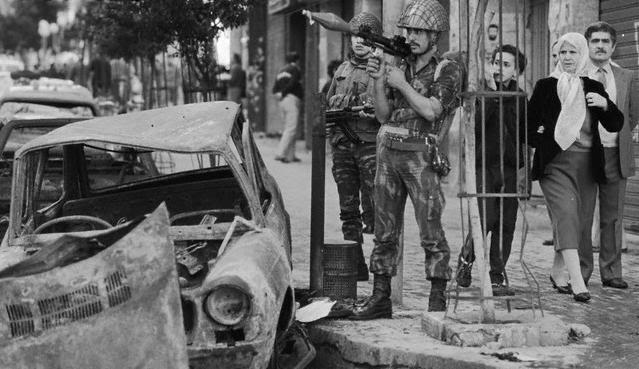
(Syrian soldiers in Lebanon)
But there wasn’t always chaos in Lebanon.
During the three decades between the independence and the civil war, Lebanon enjoyed a period of peace and prosperity, receiving significant foreign investments and gaining attraction from tourists; the capital city of Beirut was even called the “Paris of the Middle-East” during this time. And it was also during this golden age (and during the French Mandate) that a modern wine scene was reintroduced to Lebanon after nearly 400 years of dormancy under Ottoman rule.
So, wine has always been in the region, and it was the Phoenicians who were credited as the first civilization to introduce winemaking to the region; there are records that show their wines being exported to civilizations throughout the Mediterranean. But the culture of wine in Lebanon rose and fell with the different regimes and religious affiliations that occupied the region. Eventually the Ottomans outlawed wine production completely throughout the empire (though there were always exceptions).
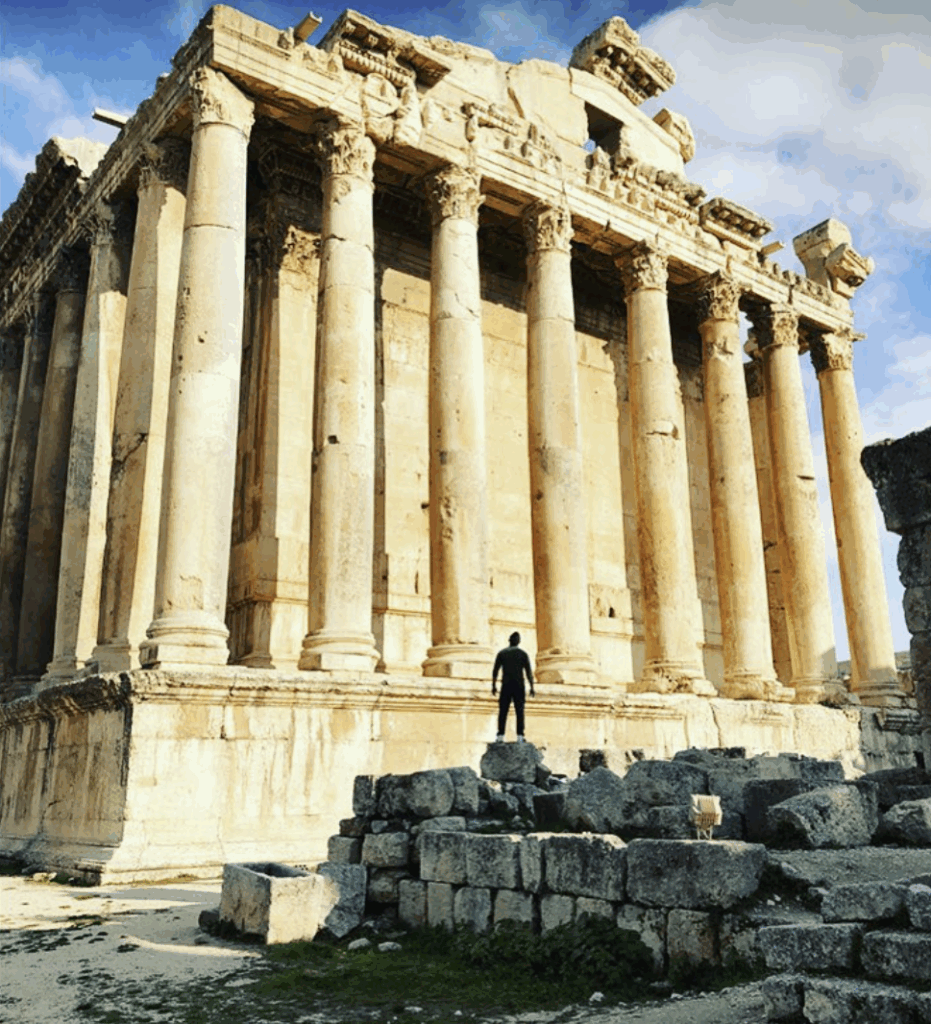
(Temple of Bacchus, the Roman god of wine, in the Beqaa Valley; Likely built during the 2nd century AD)
Then during the 1850s, as the Ottoman’s rule was diminishing, the French Jesuits who have begun establishing its presence in the region started planting French varieties (namely Cinsault, Carignan, and Syrah) for religious purposes. But then under the French administration, and later on during the golden ages, the demand for wine in Lebanon continued to grow, and would form the basis of Lebanon’s modern wine culture; many of the most influential Lebanese producers were established around this time.
Although the country and local wine industry would eventually succumb to the turmoil caused by the civil war and subsequent conflicts, there were five producers that stubbornly continued to make wine (i.e. Musar, Ksara, Kefraya, Nakad, and Domaine des Tourelles). And today, characterized by the hopefulness and resilience of the Lebanese, there are over 80 producers in the region, including Massaya.
So what did the Phoenicians, Romans, Jesuits, and today’s winemakers see in Lebanon’s terrain?
First is the altitude. Lebanon has a mountainous terrain with two mountain ranges – Mount Lebanon to the west, and Anti-Lebanon to the east. Vineyards here are situated often between altitudes of 3,300 to 5,900ft (1,000 to 1,800m), some of the highest in the northern hemisphere, which helps the grapes retain acidity against the intense heat of Lebanon’s Mediterranean climate.
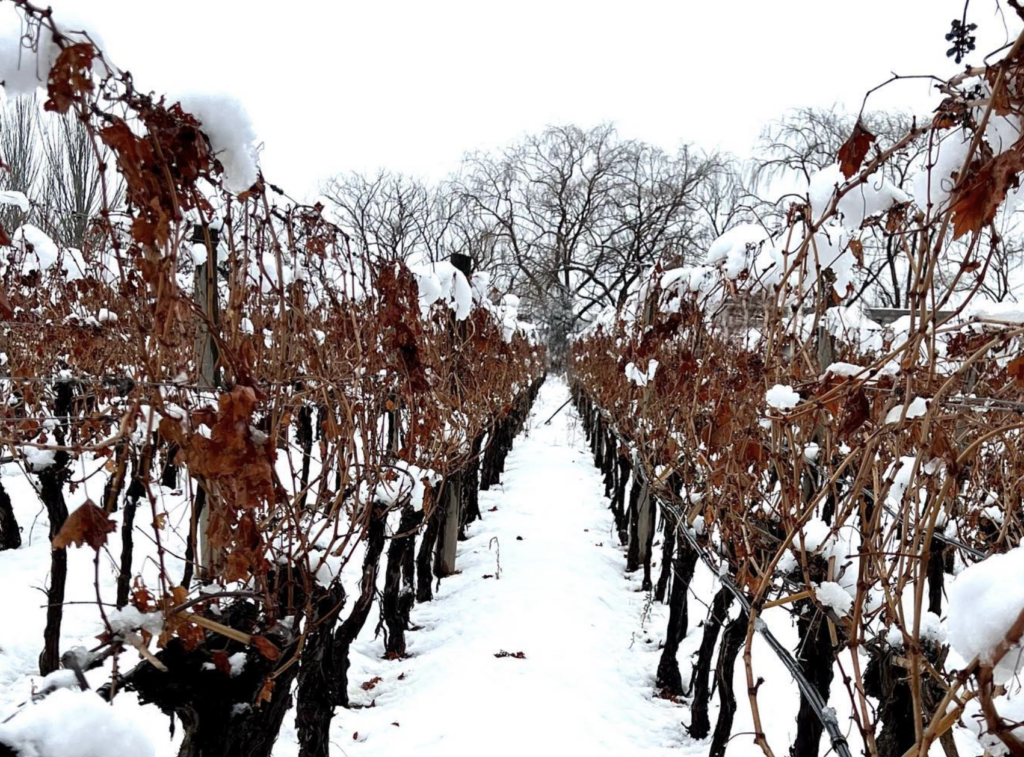
Lebanon is also a narrow country, averaging around 35mi (56km) in width, and the Mediterranean Sea on its west coast also contributes to moderating the heat during the growing season. In fact, the winters in Lebanon get cold enough that it sometimes snows on the mountains. That combination of extensive sun exposure and cold winters creates an unbelievable condition that encourages minimal intervention. According to Sami, “…there is no room for fungus, bugs, predators to the grapes, worms. Whatever escapes the sun and the dryness is trapped by the freezing temperature in winter. So you don’t have to force nature in any way to mature grapes in Lebanon.”
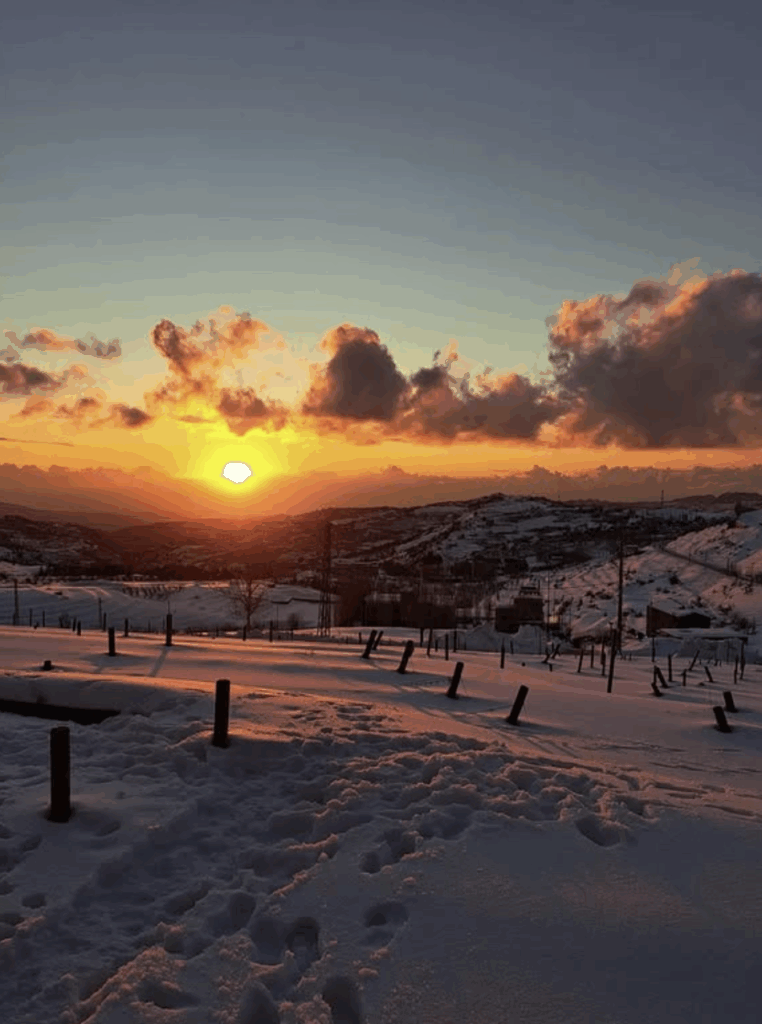
(Massaya vineyard during the winter)
But this wasn’t the motivating factor for Sami and Ramzi to return home.
Sami and Ramzi were born into a Christian Maronite family that had to flee the country as the civil war broke out in 1975. Although they built a life abroad, they never forgot their roots in Lebanon. By all accounts, Sami could have continued to live a very comfortable life as an architect in California, but he had a strong desire to rebuild their connection with their homeland.
This desire drove Sami to return to Lebanon in 1992, to the land that his family had to abandon. In Beqaa Valley, where his family had originally owned a property, he encountered squatters who have occupied his family’s property, and had to confront them (with an AK-47) in order to reclaim it. Fortunately, his determination succeeded.
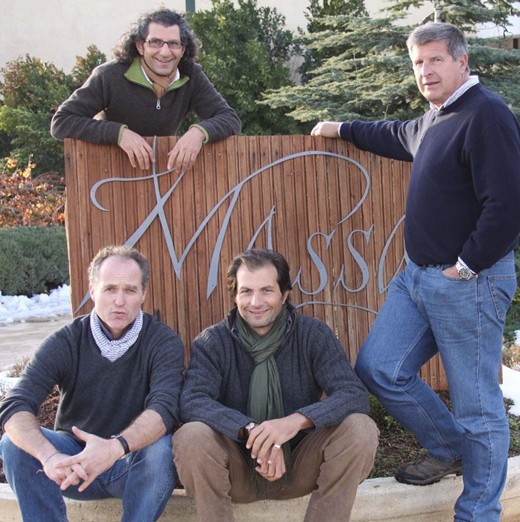
(Top: Ramzi Ghosn; Bottom left to right: Daniel Brunier, Sami Ghosn, Dominique Hebrard)
When asked why he was so inspired to reclaim his family’s property and start Massaya, Sami’s response was simple: “I just wanted to recuperate the property while I was living in California and saw the image of Lebanon, our memories of our youth, and our ancestry disrupted. I wanted to bring this back to life in a civilized manner…”
And from one vineyard in the Beqaa Valley, they started making arak, the traditional anise-infused spirit made from the indigenous Obeidi grapes. Then through good fortune and a French cork seller who’s name literally meant ‘Fresh Sex’, they were introduced to his now partners Dominique Hebrard (of Cheval Blanc) and the Brunier brothers (of Vieux Télégraphe).
With their investment and knowhow, Massaya now has expanded to three vineyards, two in Beqaa Valley and one in Mount Lebanon, producing one rosé, one white wine, and three red wines. And of course, there is their arak, produced in a traditional way using copper pot stills.
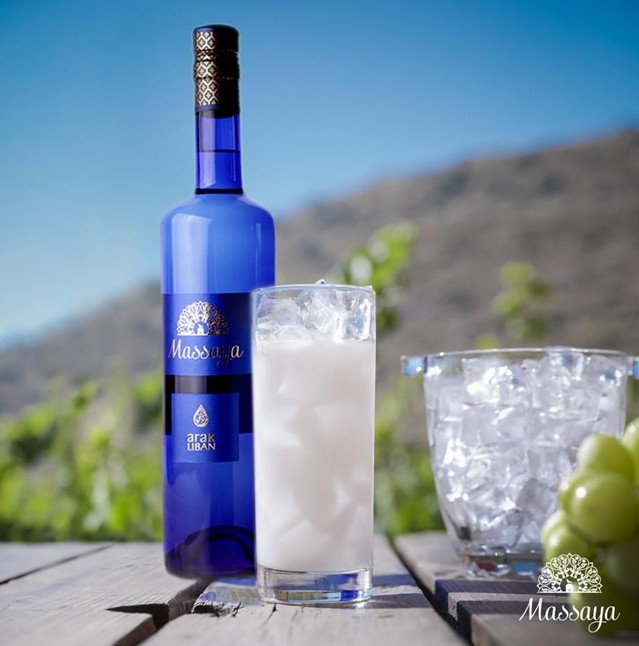
(Massaya Arak)
So far, the future looks hopeful for Massaya. And that is something that keeps Sami optimistic.
“I just look beyond all that conflict and only hope there will be peace soon… I am a peace seeker, I don’t understand people who destroy in order to prove a point. We plant and we build forward.”
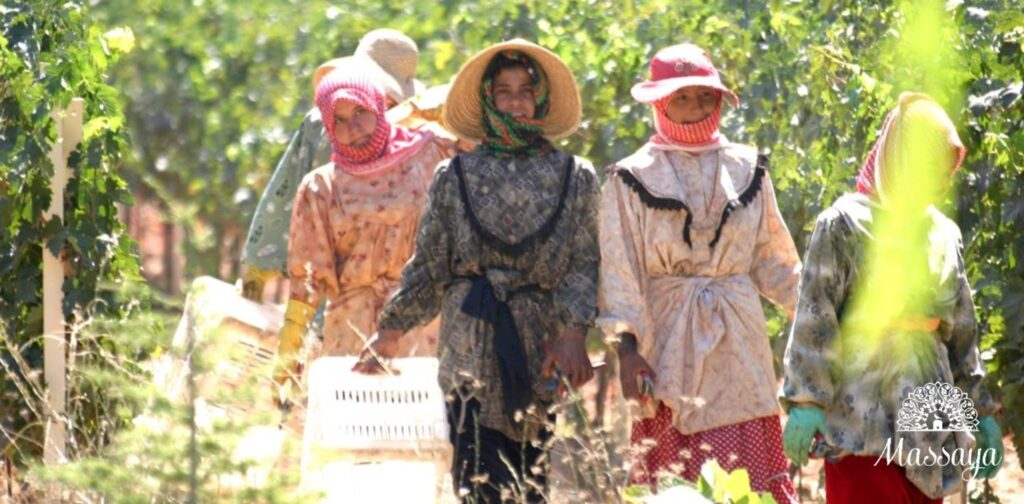
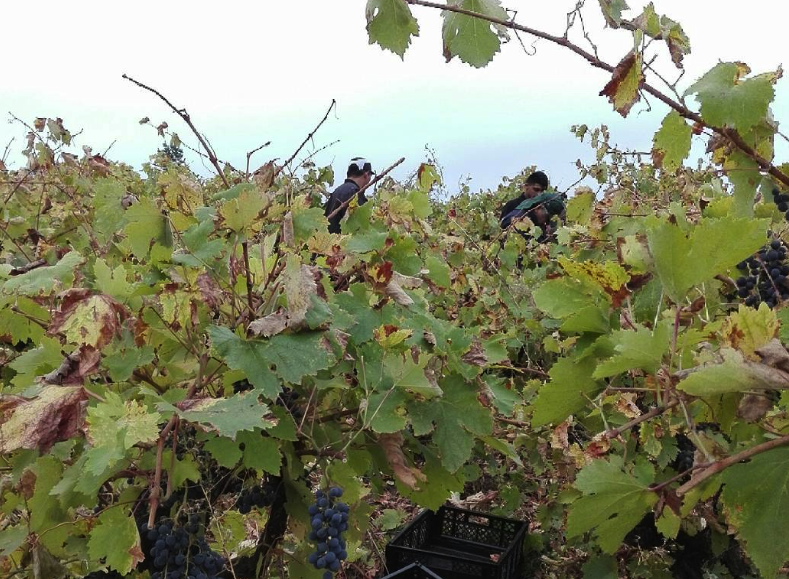
(Harvest at Massaya)
Read the full interview here.
Read Grape Collective’s first interview with Sami here.